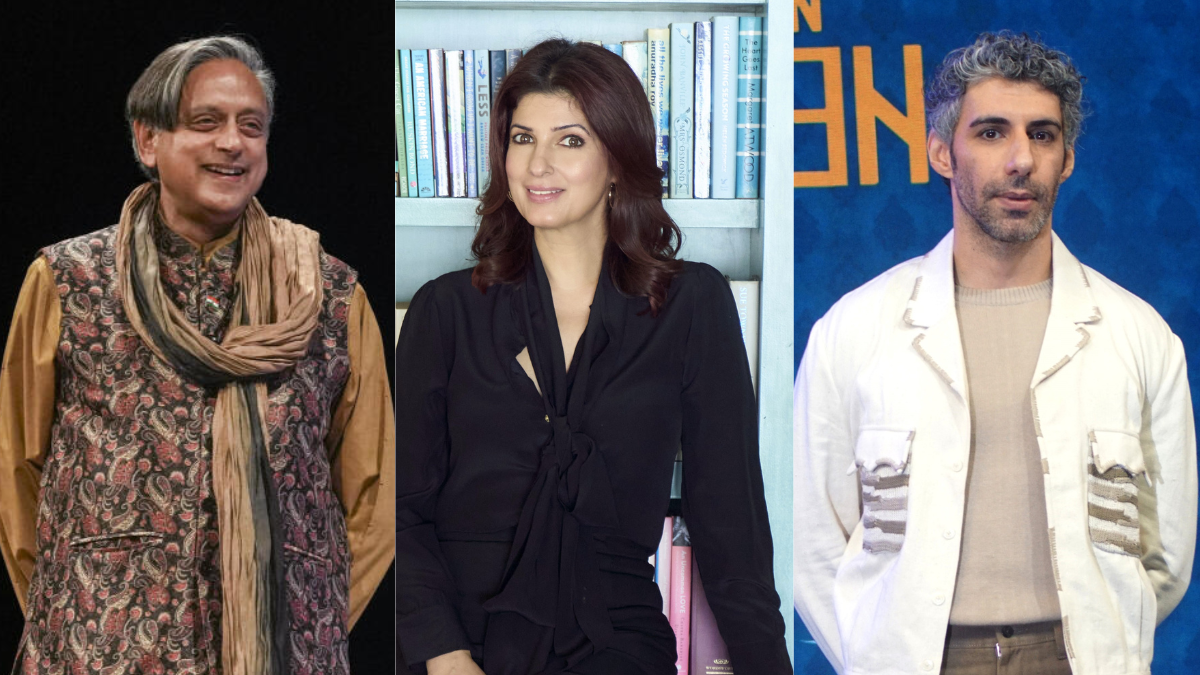
Jim Sarbh
International Emmy-nominated actor

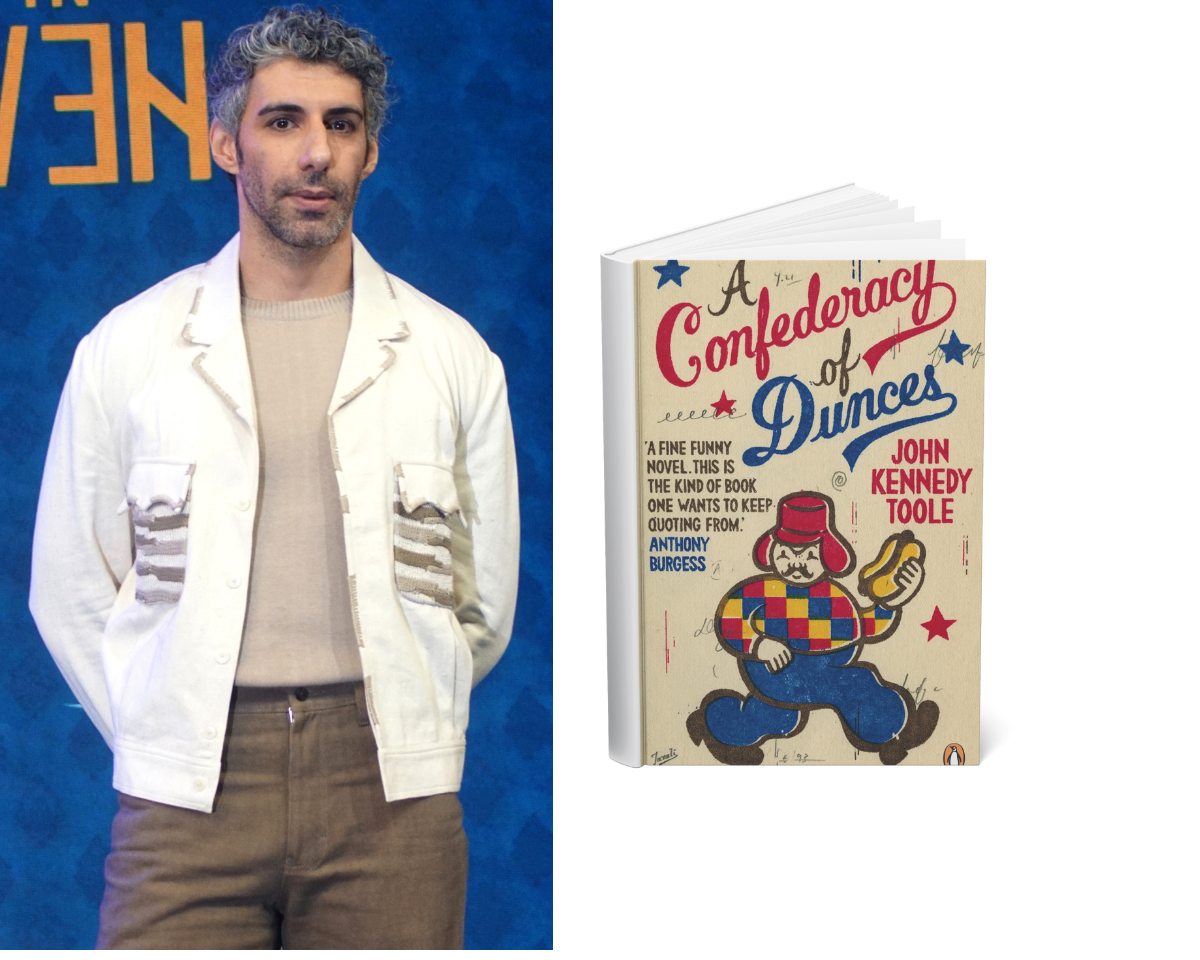


“John Kennedy Toole’s ‘A Confederacy of Dunces’ transports you to 1980s New Orleans, capturing colourfully the peculiarities and dialects of the vibrant, diverse characters. The book is hilarious. Our lead character, Ignatius J. Reilly, is a misanthropic, lazy, self-aggrandising narcissist who lives with his sweet, potentially alcoholic, mother. It had me chuckling to myself through its entirety.”[As told to Tanushree Ghosh]

Amitav Ghosh
Jnanpith award-winning author
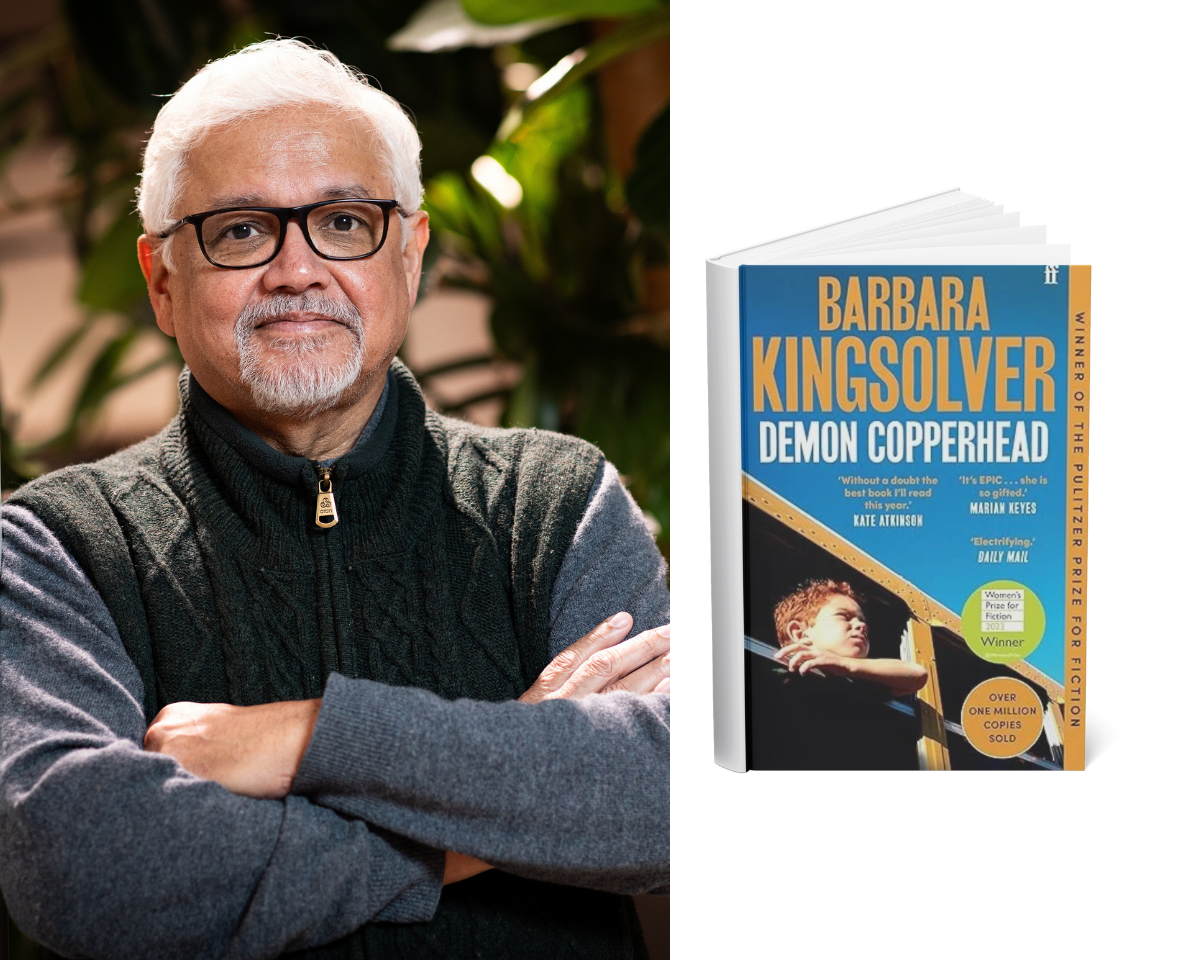
“It’s not easy to pick out just one book for the whole year, but if I had to do it, I would say it is ‘Demon Copperhead’ by Barbara Kingsolver. Set against the background of the opioid crisis in the United States, ‘Demon Copperhead’ is a haunting, moving, and at times, heartbreaking novel. But one of the great rewards of reading Kingsolver is that there is always a reassuring sense of being in the hands of a writer who is deeply kind — and so she is once again with her Demon.”


Soumya Swaminathan
Chairperson, M.S. Swaminathan Research Foundation, and Former Chief Scientist, World Health Organization
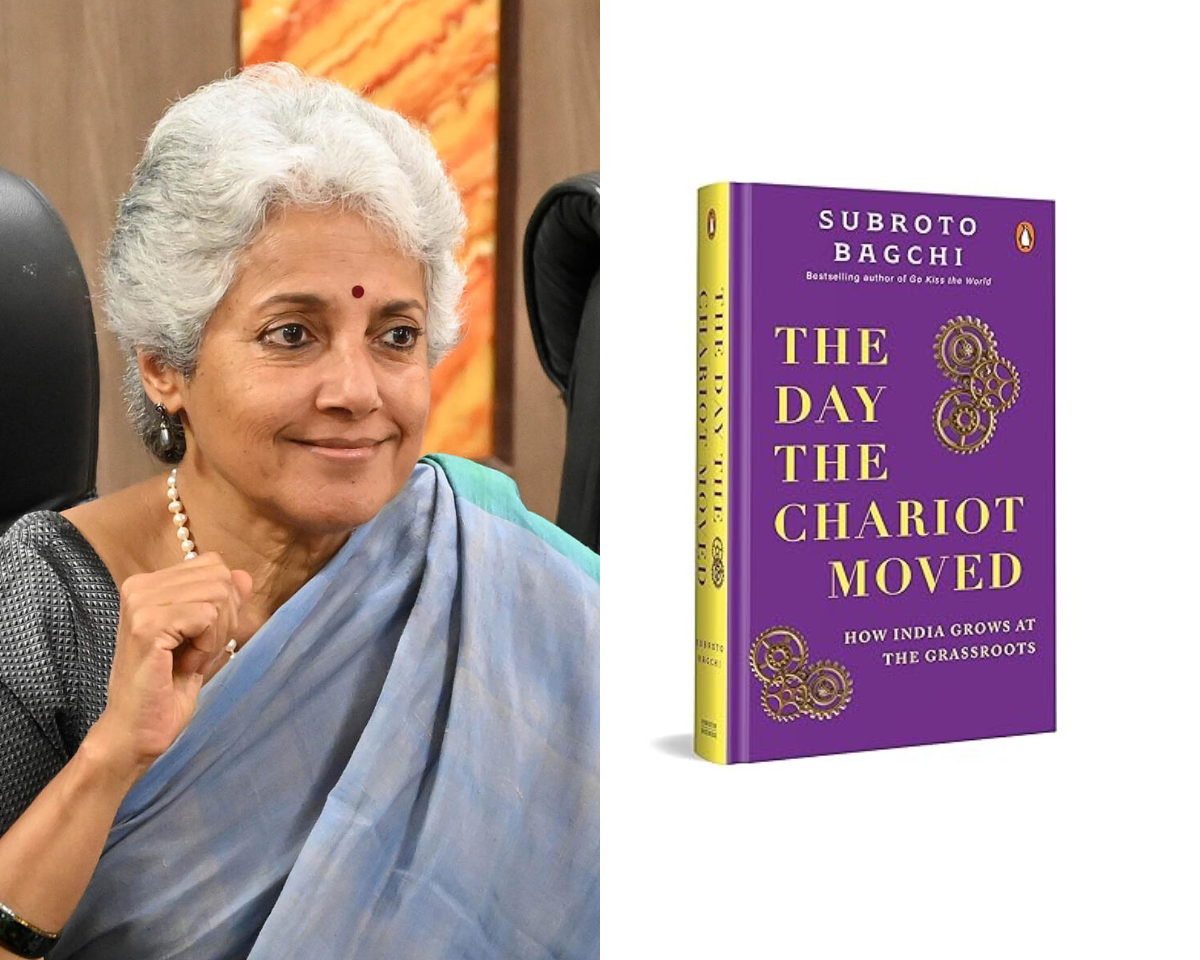
“I really enjoyed reading ‘The Day the Chariot Moved’ by Subroto Bagchi. It’s an inspiring book that describes the nature and complexities of transformational change, especially of government institutions. The style is simple, honest, full of humour and you immediately identify with the characters being described. Bagchi travels through rural and tribal Odisha looking for young boys and girls who, despite all odds, followed their passion and found careers their parents could not dream of. Most of all, it is an uplifting read that shows how political will and an empowered leader with the vision and right team can change the lives of ordinary Indians in unimaginable ways. The story of the Odisha Skill Development Authority and creation of the World Skill Centre in Bhubaneswar, which has transformed the concept of “skilling” and vocational education to provide the trainees with the self esteem and confidence they lacked when graduating from regular training institutes, is fascinating.”[As told to Zubeda Hamid]


Shashi Tharoor
Lok Sabha MP and former diplomat
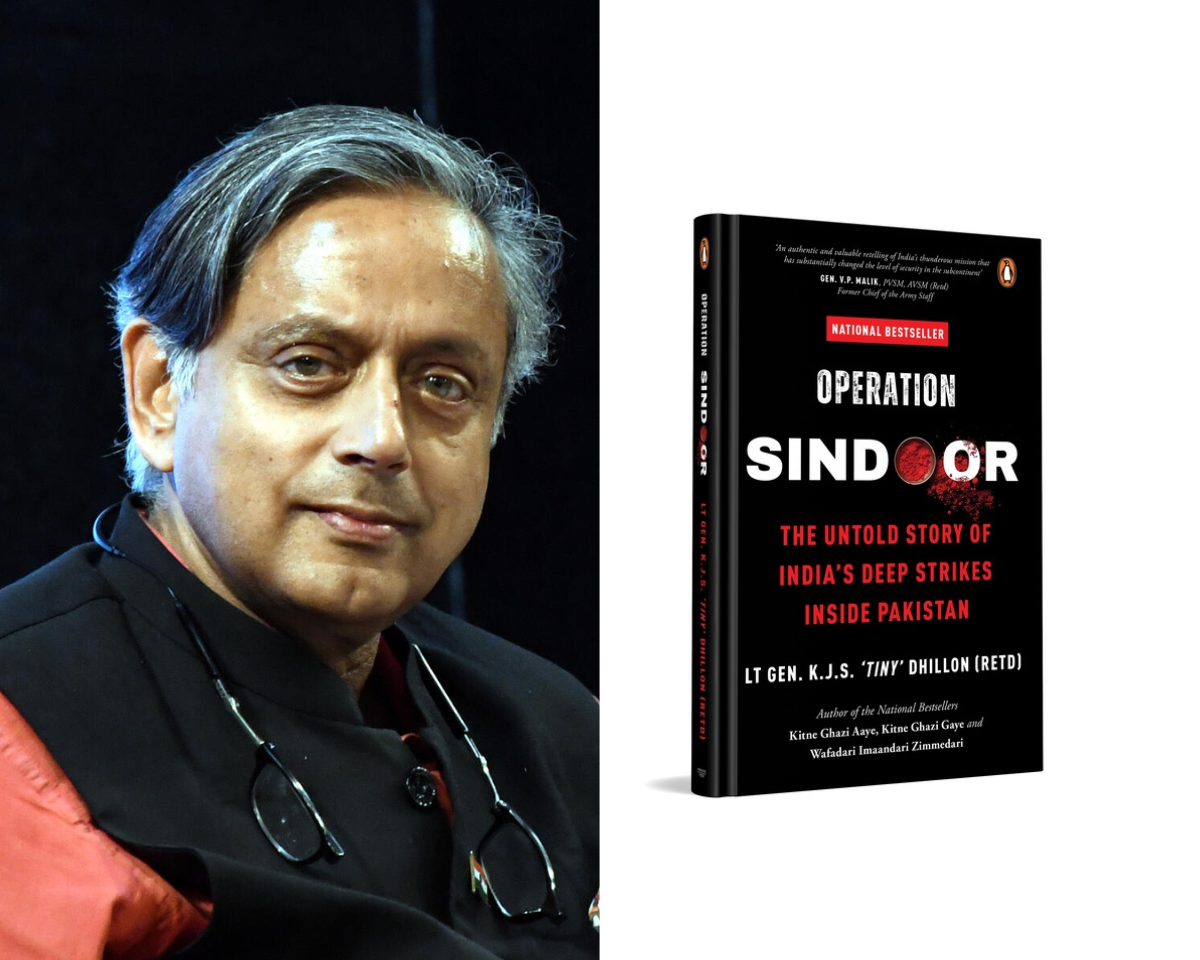
“I do try to read and sometimes, unfortunately, time being scarce, one skims. But I would say that the ones that stand out certainly are two women writers: Arundhati Roy’s rather searing memoir, ‘Mother Mary Comes to Me’, and Kiran Desai’s novel, ‘The Loneliness of Sonia and Sunny’. Then there’s this rather startling book, ‘Operation Sindoor: The Untold Story of India’s Deep Strikes Inside Pakistan’ by Lt. Gen. K.J.S. Dhillon (Retd.). In the case of Roy, her writing is magical; she just knows how to command the words and make them dance for her. With Desai, there is tremendous feeling, emotion, and I think, some serious levels of personal experience, embedded in the story. And Gen. Dhillon, of course, it is his knowledge, as well as his action, as well as his astonishing insights on something that has just happened.”[As told to Preeti Zachariah]


Twinkle Khanna
Author and talk show host
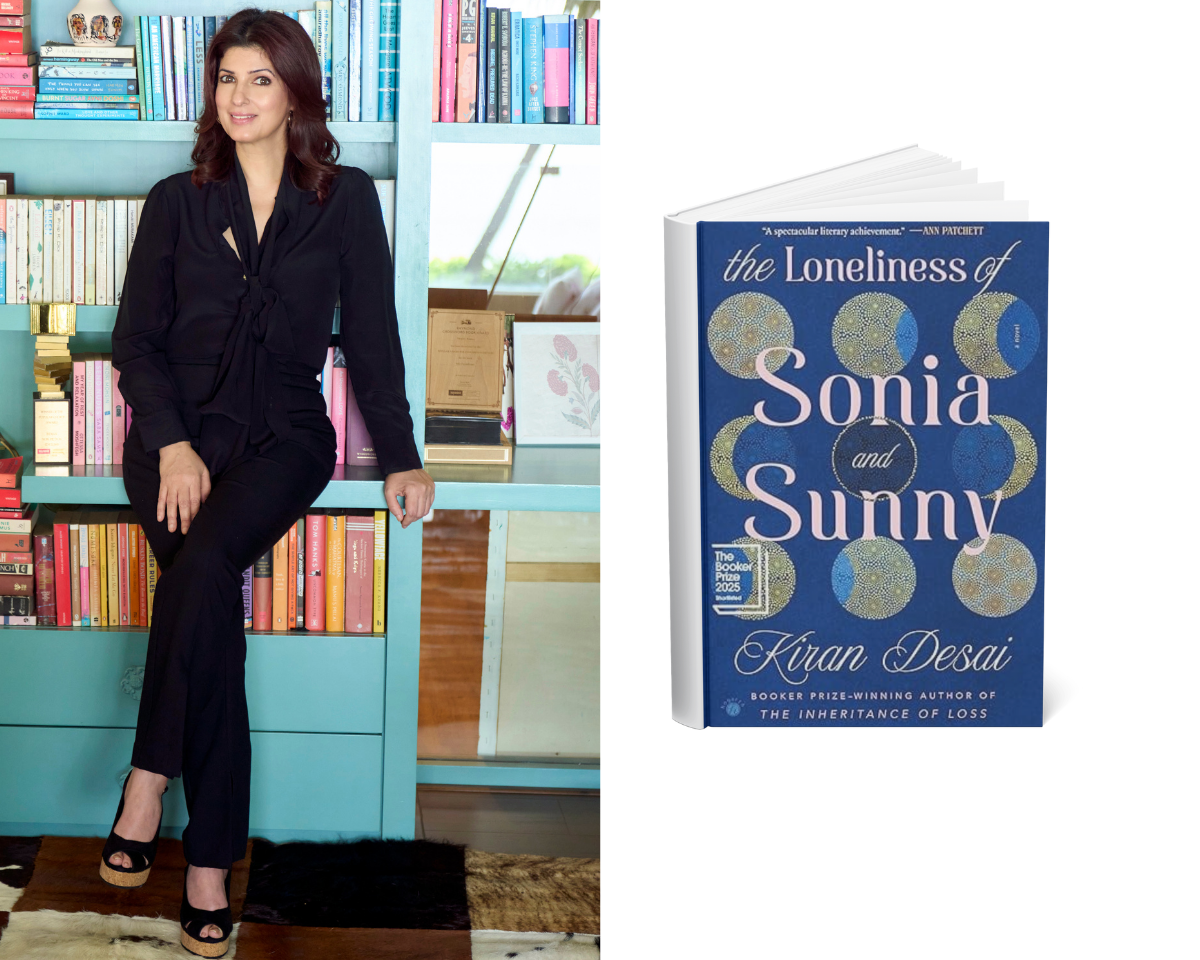
“My absolute favourite this year is ‘The Loneliness of Sonia and Sunny’. There is so much beauty in this book. I know it’s meant for a global audience but because you’re Indian, when you read the book, you get so much more of the context and nuance. And each character has that kernel of truth in them, which is necessary to make a character come alive.”[As told to Shrayana Bhattacharya]

Rohini Nilekani
Philanthropist and founder of Arghyam Foundation
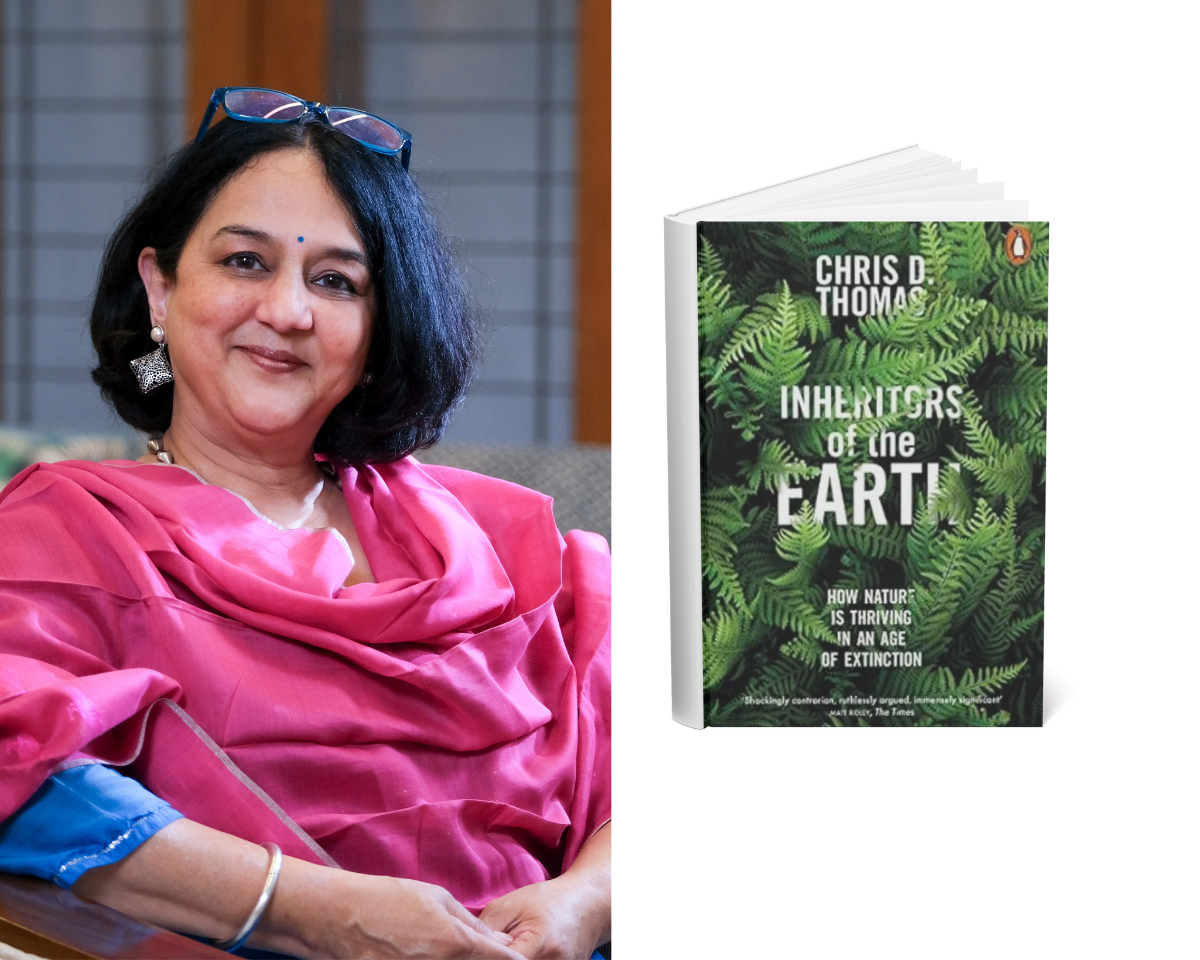
“One of the most intriguing books I read this year was ‘Inheritors of the Earth’ by Chris D. Thomas. He writes about how nature is thriving in an age of extinction. Citing data from across continents, he argues that while we are definitely losing species at an alarming rate, nature is adapting and evolving to the changes humans are wreaking on the planet. He takes a very long-term view and boldly states that we humans “have set in train processes that will increase rather than decrease the long-term diversity of the earth”. At a time when there is so much doom and gloom about biodiversity loss, this book is impossibly hopeful and intellectually challenging. Worth reading and arguing over. ”[As told to Preeti Zachariah]

Deepa Bhasthi
International Booker-winning translator
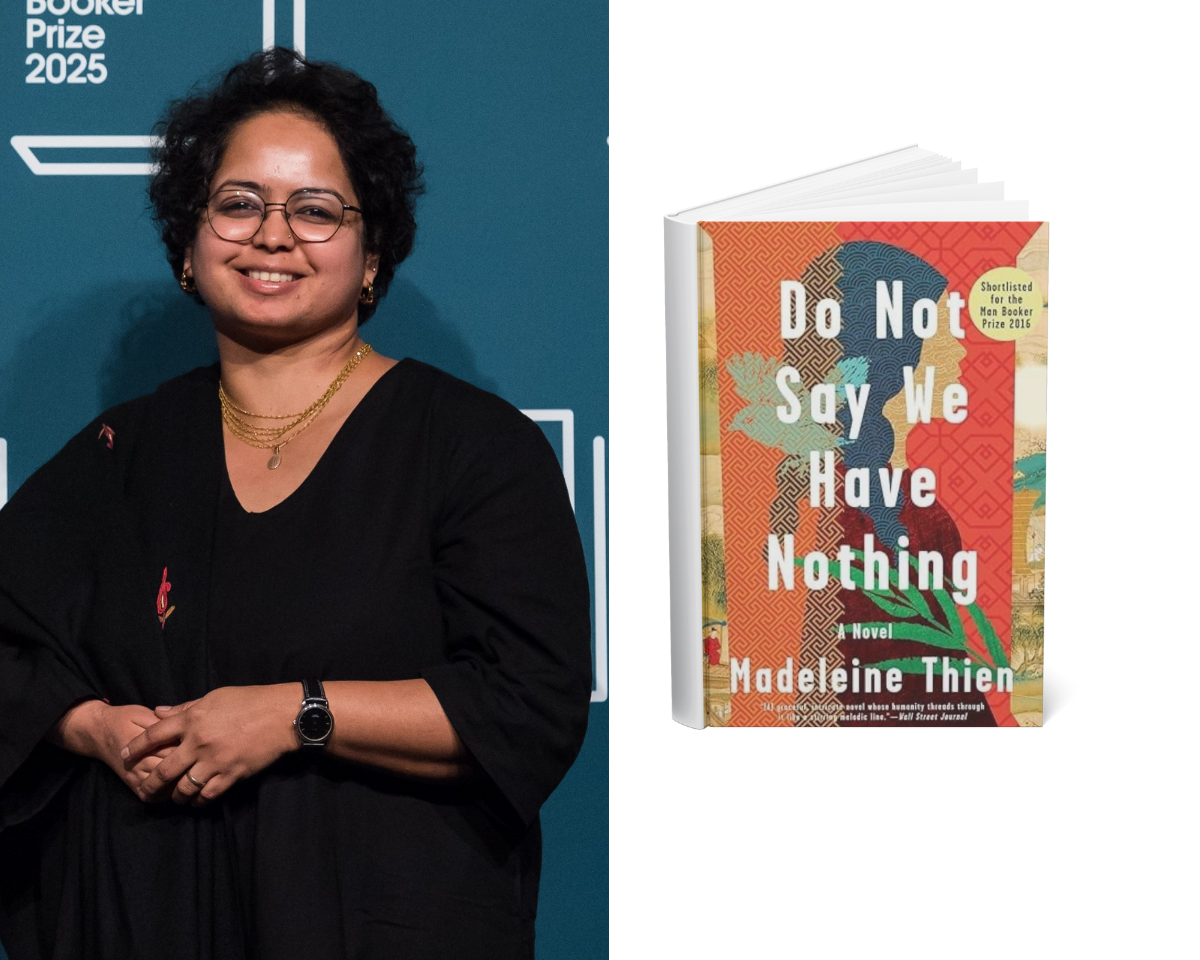
“I spent a lot of time this year waiting in airports, taking long flights and living many days in hotel rooms. The upside of some of this tedium was being able to read more books than I usually do. The most memorable for me were these: nearly all of Natalia Ginzburg available in English, for the way she captures the beauty and boredom in the ordinary; ‘Theory & Practice’ by Michelle de Kretser, for how it plays with the format of novel writing; ‘Do Not Say We Have Nothing’ by Madeleine Thein, a novel of exquisite language and music, about the cultural revolution in China; and finally, ‘Jazz, Perfume & the Incident’ by Seno Gumira Ajidarma, translated by Gregory Harris, about the 1991 Santa Cruz massacre in East Timor. It blurs fiction, reportage and the surreal, and is a great study in how to write about political truths in times of state-sponsored surveillance and censorship.”[As told to Preeti Zachariah]

Muzaffar Ali
Filmmaker and artist
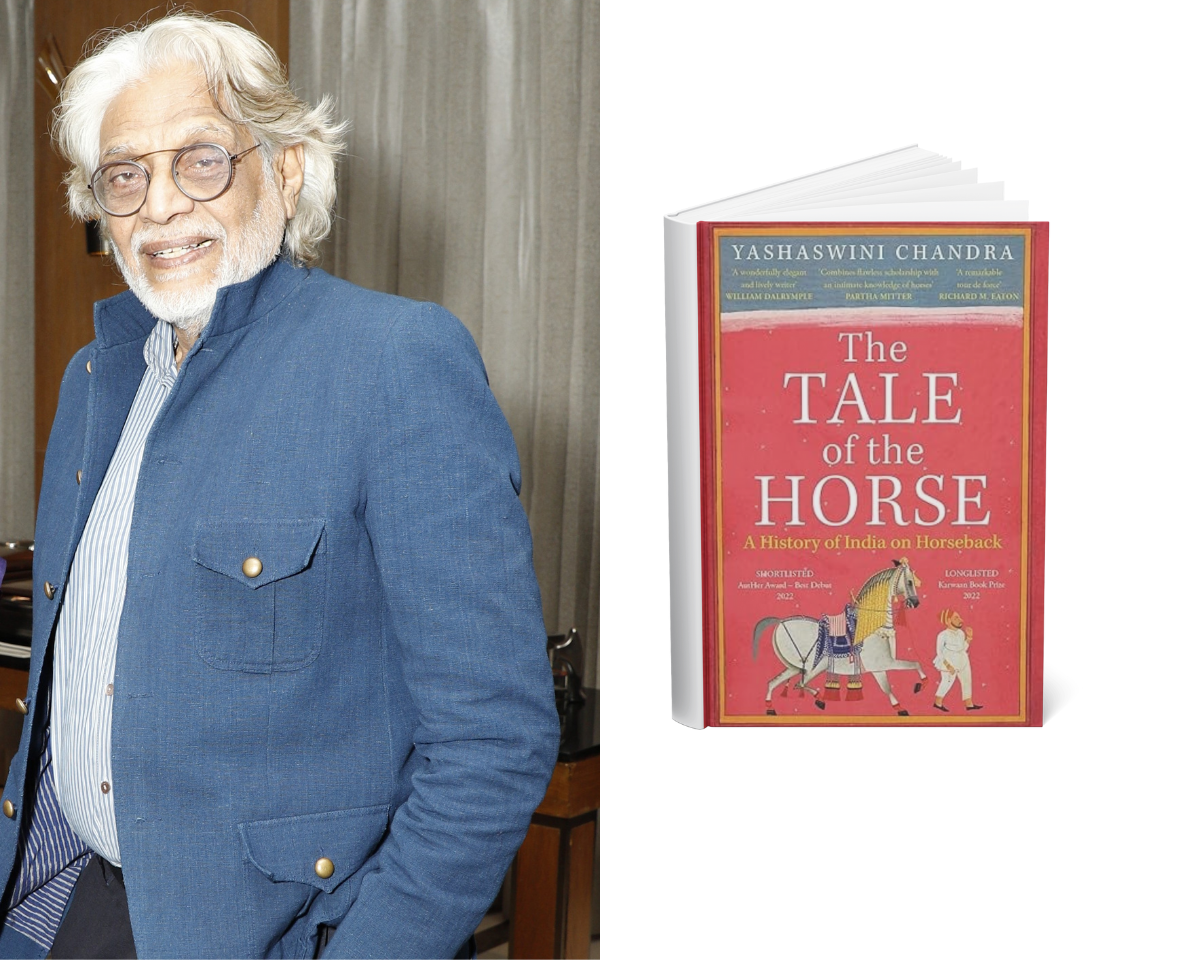
“I have long wondered about the legacy a horse carries as it strides through history, claimed by many yet belonging only to its own rhythm. My canvases taught me this truth; each stance revealed a forgotten journey. Yashaswini Chandra’s ‘The Tale of the Horse’ made that intuition real, showing how narrative can shift perception and give substance to imagination, anchoring fantasy in the deep soil of heritage.”[As told to Tanushree Ghosh]

Sharmila Tagore
National Film Award-winning actor
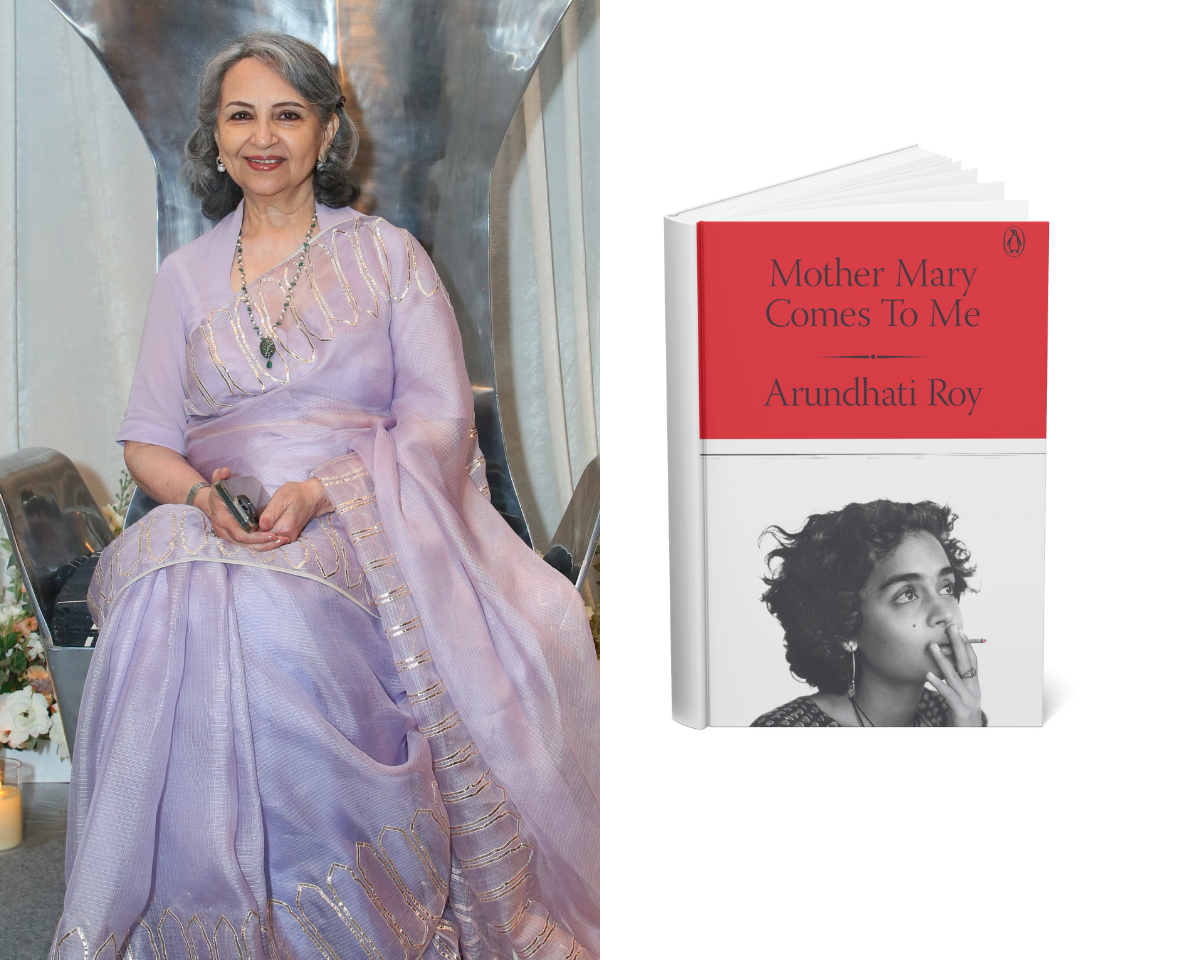
“The most hauntingly beautiful book I have recently read is Arundhati Roy’s ‘Mother Mary Comes to Me’. It is a biography of her relationship with her mother which, in the manner that it is written, breaks with the romantic myths or condemnation that normally comes with depictions of motherhood. This book believes that motherhood (and daughterhood) is complex and that there is a need to understand it beyond the binaries of good and bad. Moreover, the world of the book is vibrant with a cast of colourful characters. This is a book that stays with you long after you have read it.”[As told to Tanushree Ghosh]

Umar Khalid
Social activist
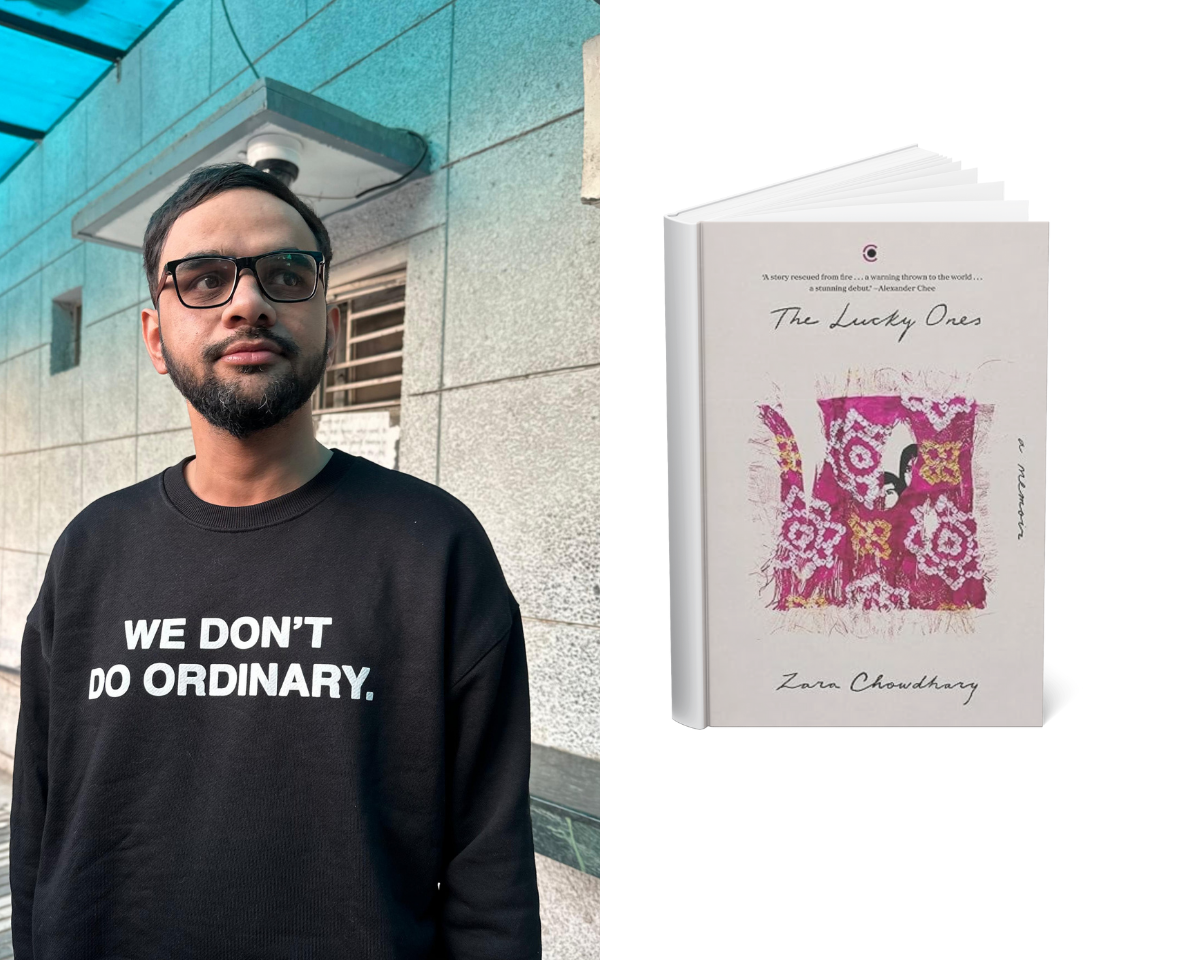
“Zara Chaudhary’s ‘The Lucky Ones’ is written as a memoir of Gujarat 2002, the writer’s own story of those days as a 16-year-old. As she stood at the balcony of her apartment in Ahmedabad, she saw smoke inching closer. Will the fire engulf them too? Reading it brought back many memories of my own childhood of witnessing the first televised riot of India; how I started feeling the weight of our identity. It was as if the entire world was looking at you, talking about you, obsessing about you, caricaturing you. But at the same time if you were to be killed tomorrow, your personhood, you as an individual, will be forgotten. The book moved me to tears.”[As told to Tanushree Ghosh]

Sam Dalrymple
Historian and author
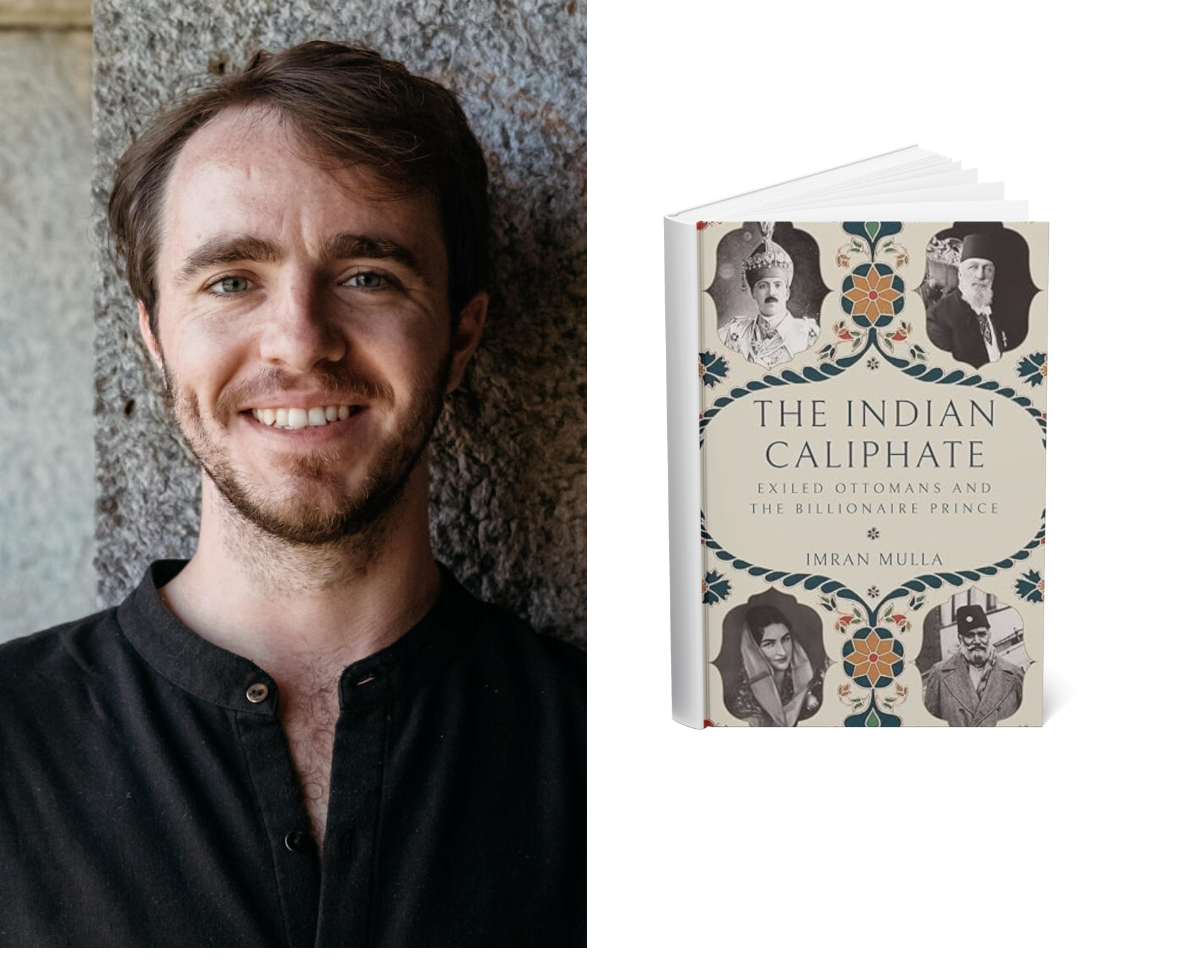
“‘The Indian Caliphate’ by Imran Mulla was my favourite book this year (releasing in India early 2026). It tells the astonishing story of the fall of the Ottoman Caliphate and the Caliph’s attempts to resurrect it in the Deccan, with the help of the Nizam of Hyderabad. The tomb of the last Ottoman Caliph was, remarkably, built on a hill overlooking the Ellora Caves, although thanks to World War II, the Caliph was never actually buried there. ‘A Man For All Seasons: The Life of K.M. Panikkar’ by Narayani Basu was another of my favourite reads, telling the story of the diplomat who shaped post-colonial India. I had read so much about him in my own research for my book ‘Shattered Lands’, yet Narayani’s book transformed my understanding of him. Finally, ‘Lords of Earth and Sea’ by Anirudh Kanisetti was yet another brilliant book by India’s most lucid medievalist. The story of the Cholas is far more like ‘Game of Thrones’ than I could have possibly imagined.”[As told to Preeti Zachariah]


Mukund Padmanabhan
Author and journalist
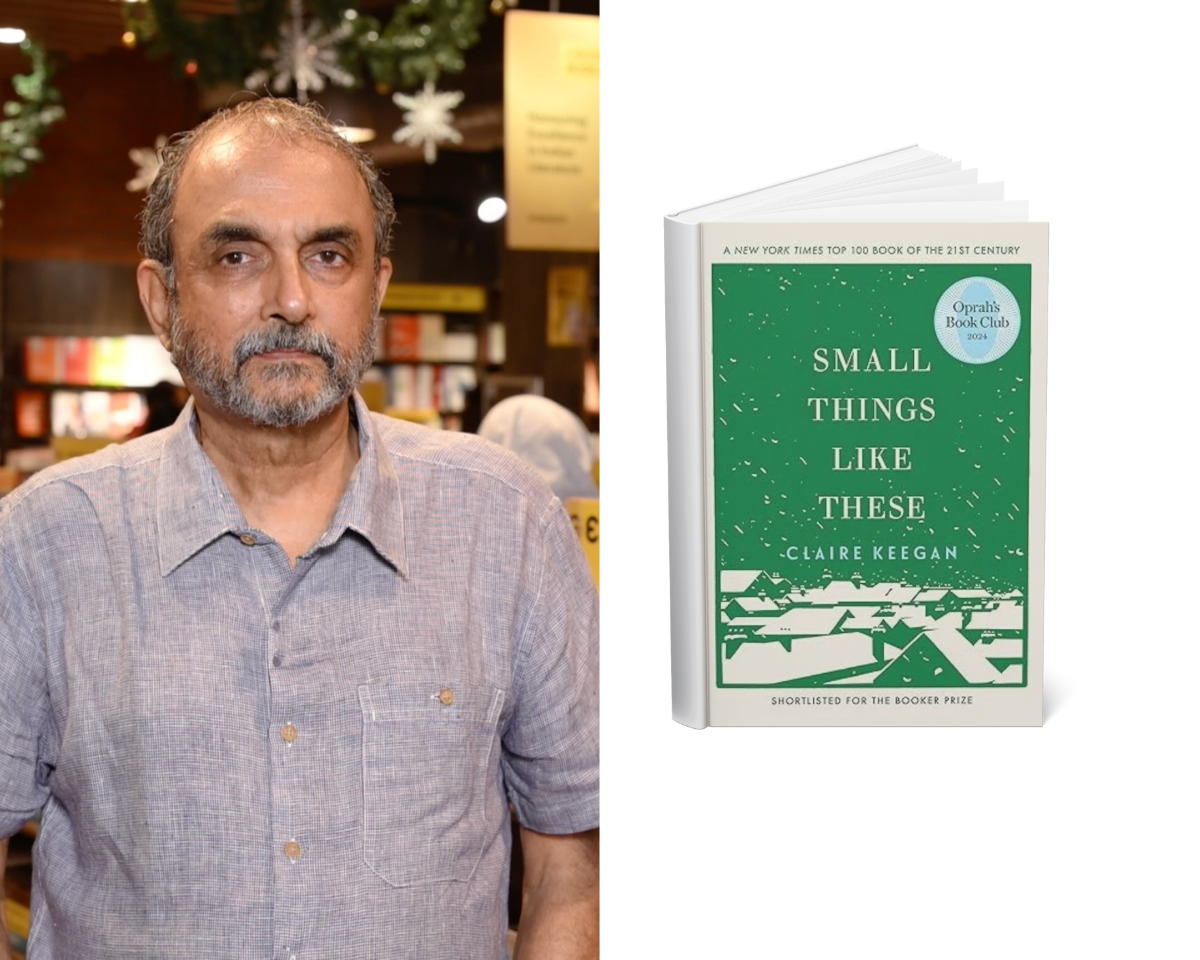
“One of the nicest books I read this year was something that was published maybe a couple of years back. It failed to win the Booker Prize, but I think it truly deserved to, and that was Claire Keegan’s book, ‘Small Things Like These’. It’s a very, very slim book, but it’s extraordinarily moving, extraordinarily powerful.
It’s about the life of young women in Ireland and a certain tradition which has come under great criticism. But it reflects the fact that a really tiny novel, it’s really more of a novella, can be so extraordinarily moving and so extraordinarily powerful. ”

Anuparna Roy
Director, ‘Songs of Forgotten Trees’
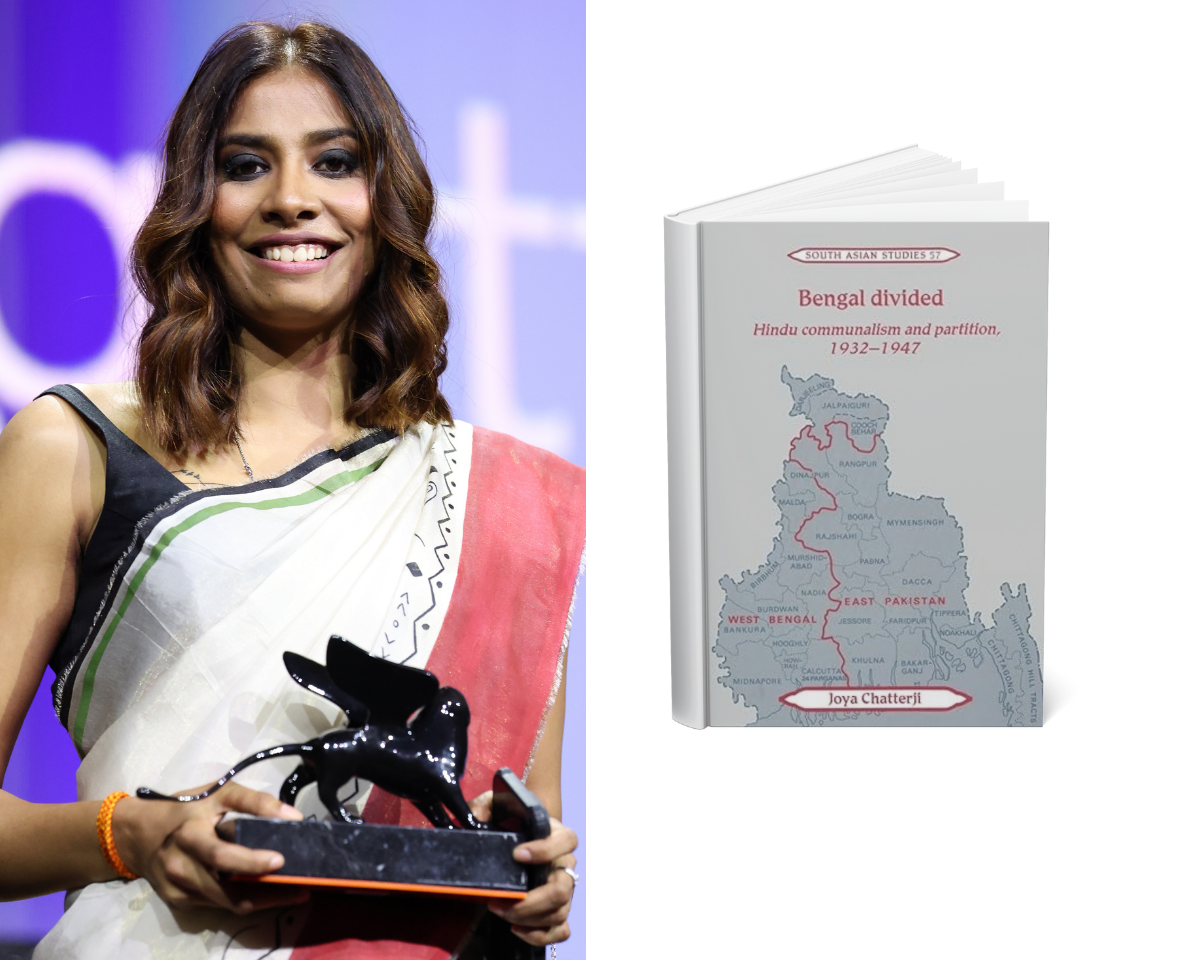
“I do read a lot of non-fiction, but one that has stayed with me is Joya Chatterji’s ‘Bengal Divided’. The book carries a lot of truth about India, how India got independence and how history has been kept away from the readers. I’ve also been reading Humayun Ahmed. I resonate with him a lot because he’s amazing in terms of describing character, place, himself and the situation around him and his characters. I surrender myself as a writer to him. I often re-read Munshi Premchand, I like his style of writing. The society he saw when he was alive remains the same, it has not changed, in terms of casteism, religious dogmas, the woman’s place in society.”[As told to Tanushree Ghosh]

Cyriac Abby Philips aka The Liver Doc
Hepatologist and clinical-scientist
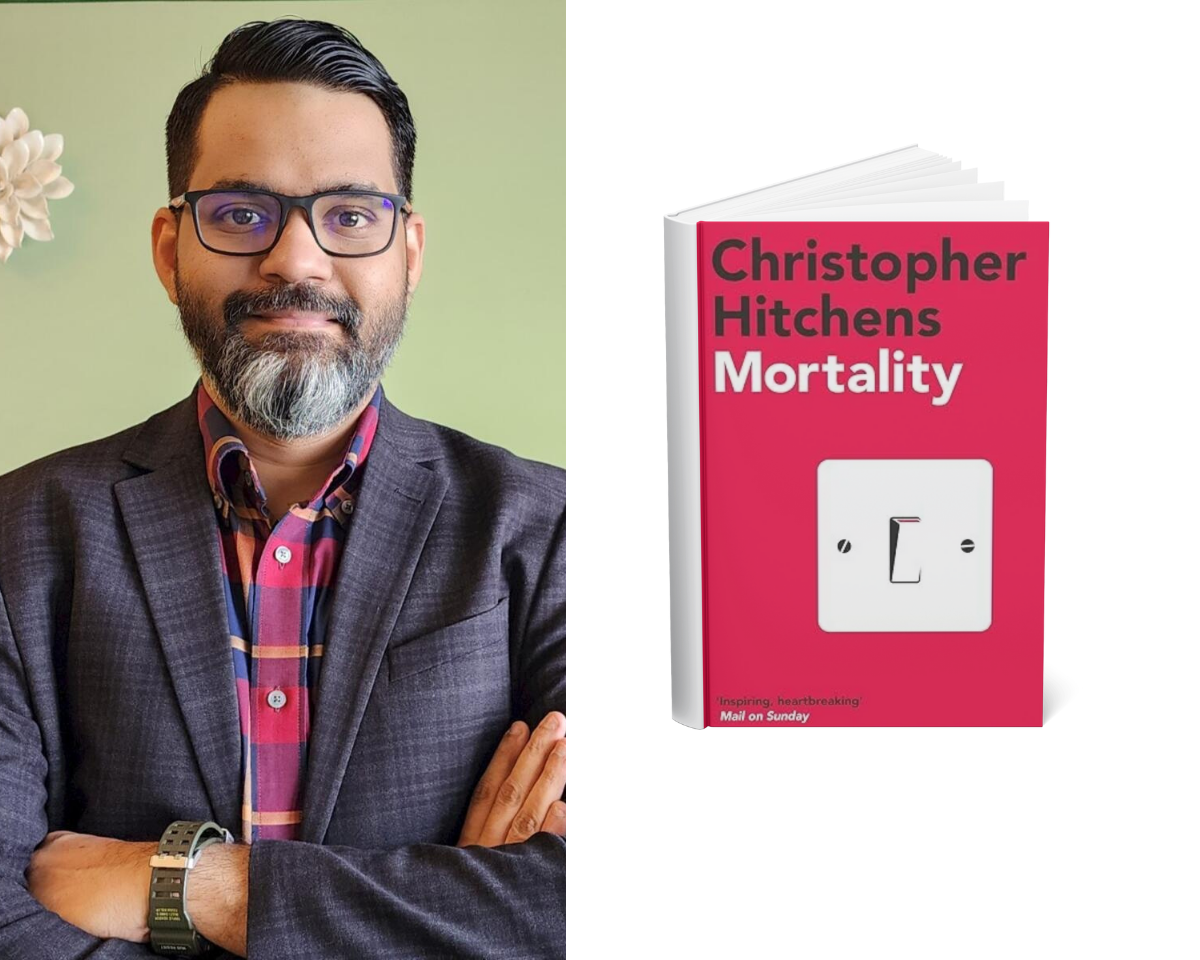
“As a hepatologist shepherding families through the devastation of liver failure, ‘Mortality’ by Christopher Hitchens was my best read of 2025. It validated that in caring for the critically ill, clear-eyed humanism outweighs rituals or prayers. His unsentimental courage reflected on my practice that honouring a patient’s fading dignity and offering rational, honest compassion to the living is the ultimate form of medical care. Reading it helped me understand that when dealing with death, a physician must develop emotional resilience, by distinguishing what they can control from what they cannot.”[As told to Zubeda Hamid]
Tannishtha Chatterjee
Actor and director
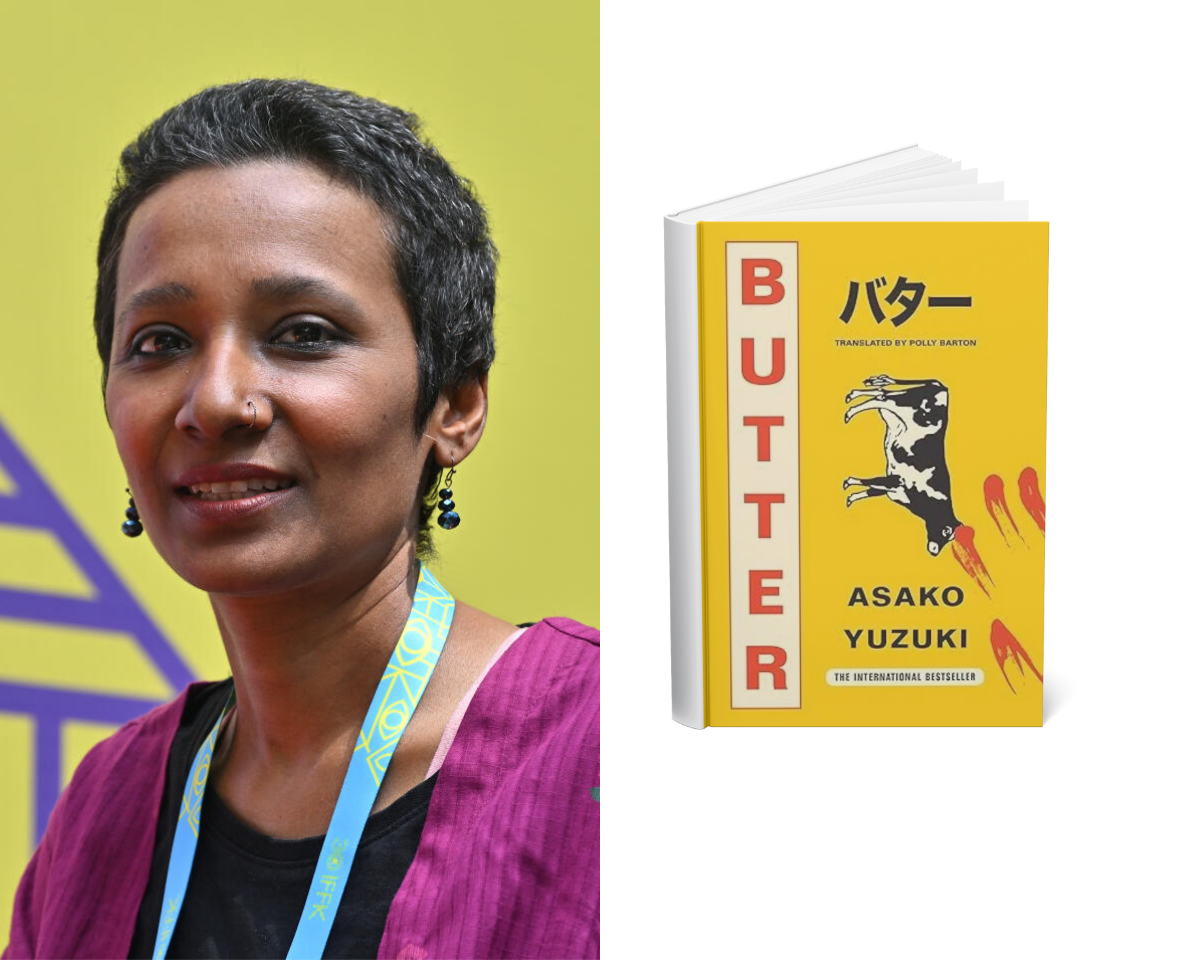
“I read this Japanese book, ‘Butter’ by Asako Yuzuki, which I found really fascinating. I thought that, oh, food can also be something so different in terms of the approach, and it is intriguing. I also read ‘Radical Remission’ (by Kelly A. Turner) and, then it was getting too much and I didn’t want to read about cancer anymore. So, I started reading fiction, poetry… I’ve been reading Rumi, which Sandhya Mridul gifted me, and I have been reading her poems as well, in a book titled ‘Untamed’, which are beautiful. ”[As told to Tanushree Ghosh]


Write to us with feedback on mag.letters@thehindu.co.in
Published – December 23, 2025 06:22 pm IST