
Cold raita makes sense in peak summer. In winter, it often feels out of place. That icy spoonful next to hot rotis or dal can dull flavours and leave the body feeling oddly unsettled. Winter meals ask for something gentler. Something that carries warmth, spice and a little softness instead of shock. This is where warm raita steps in quietly and does its job well. It keeps the comfort of curd but changes how it behaves on the plate. The yoghurt is no longer straight from the fridge. Vegetables are lightly cooked. Spices are toasted. Nothing is rushed. These winter swaps feel familiar, not fancy, and they sit naturally alongside everyday Indian food. Once these enter the routine, cold raita does not feel necessary at all.
Warm winter raita swaps that feel right for cold days
Lauki raita with roasted jeera


Lauki works beautifully in winter when treated gently. Dice it small, cook it slowly with a little salt until soft, then fold it into slightly warmed yoghurt. Finish with roasted jeera powder and a touch of black pepper. This raita feels light but grounding, the kind that works with rotis and a simple sabzi. It does not overpower the meal and does not sit heavy either. The warmth makes it far easier to digest on colder days.
Carrot raita with mild spices
Carrots bring natural sweetness that feels comforting in winter. Grate them, sauté briefly until just tender, then mix into warm curd. A pinch of roasted cumin or coriander powder is enough. This raita has colour, softness and a gentle sweetness that balances heavier food. It pairs well with dal chawal or khichdi and feels especially soothing at dinner when the temperature drops and appetite slows down.
Beetroot raita for deeper winter meals

Beetroot raita feels richer and more grounding. Boil or roast the beetroot, grate it finely, then stir it into warm yoghurt with salt and a mild spice like cumin. The colour alone makes the plate feel fuller. This raita suits winter lunches and festive meals when food tends to be heavier. It adds moisture and balance without needing anything fancy or complicated.
Pumpkin raita with black pepper
Pumpkin is underrated in raita but works exceptionally well in winter. Cook the pumpkin until soft and slightly mash it before adding it to warmed curd. Season simply with salt and black pepper. The texture becomes creamy and comforting, almost like a soft side dish rather than a condiment. This version works well with plain rice meals or parathas and feels especially good when the weather is dull and cold.
Mint and jeera raita for digestion
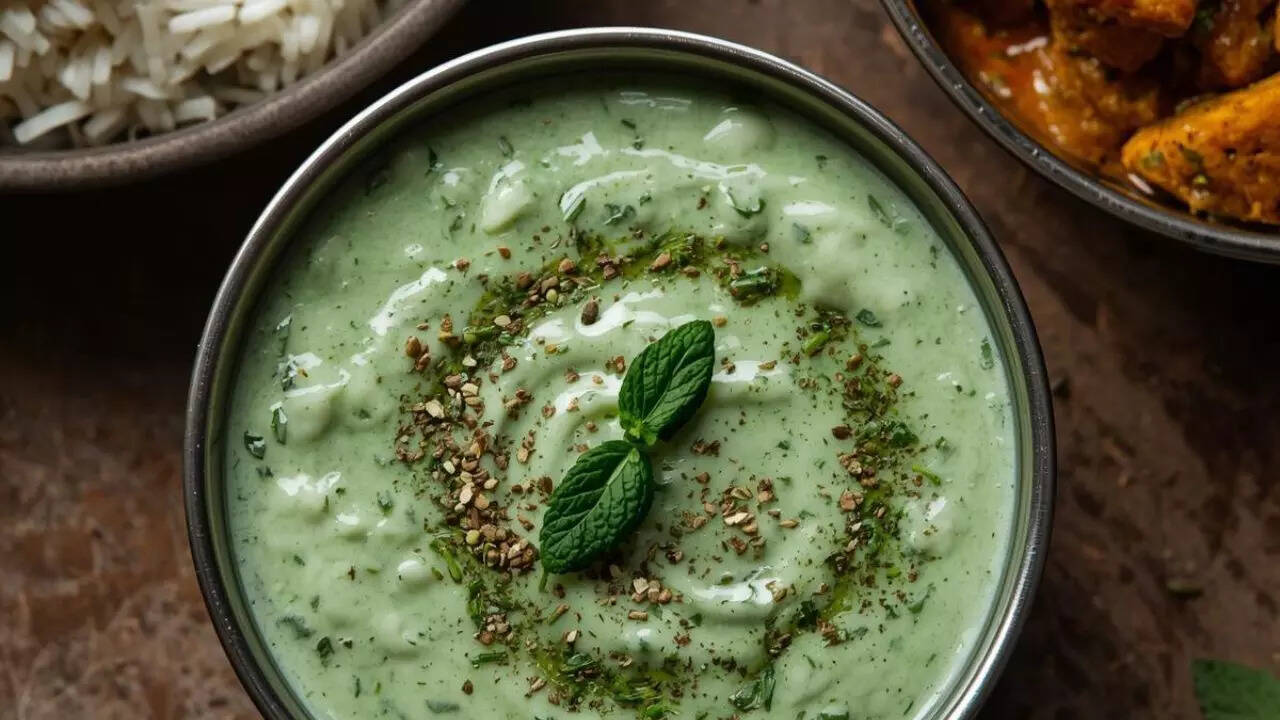
Mint is often thought of as cooling, but when used with warmth and cumin, it behaves differently. Gently warm yoghurt, add crushed mint leaves and roasted jeera, and season lightly. This raita feels calming rather than cold and helps heavier meals settle better. It works well with rajma, chole or slow cooked dals and leaves the stomach feeling comfortable rather than stretched.Raita does not need reinvention. It simply needs a temperature change and a little attention. Once winter arrives, these swaps start making more sense than the usual cold bowl from the fridge.Disclaimer: This content is intended purely for informational use and is not a substitute for professional medical, nutritional or scientific advice. Always seek support from certified professionals for personalised recommendations.Also read| Why eating just 2 dates daily in winter quietly changes how your body feels