Winter markets often look brighter because of those piles of sweet potatoes. A familiar heap of orange ones sits next to a darker, richer purple variety, and most people pause for a second before deciding. They seem like cousins of the same family, sharing warmth, comfort and that typical seasonal feel, yet there is more going on beneath the skin. Colour hints at what is happening inside and that colour changes how the body might respond once these vegetables reach the plate.A study published on PMC notes that purple sweet potatoes contain concentrated levels of anthocyanins. These pigments behave as strong antioxidants and may influence inflammation and long term cell health. That detail alone sets up a different conversation because antioxidants are not simply decorative nutrition. They can shift how the body deals with stress and time.
Purple vs orange sweet potatoes: Nutritional value comparison
Orange sweet potatoes are packed with beta carotene. The body quietly turns that into vitamin A, which supports eye function, immunity and regular body maintenance. Most people know that orange sweet potatoes are good for eyesight without needing a reminder; the old belief still holds some truth. Purple sweet potatoes have a different emphasis. Their colour comes from anthocyanins that can support the body against oxidative stress.Both types offer carbohydrates that digest slowly, fibre that keeps the stomach comfortable and minerals that help daily function. The core nutrition feels similar. The extra benefits arrive with the colour pigments. Beta carotene tilts orange sweet potatoes toward vitamin A strength. Anthocyanins tilt purple sweet potatoes toward antioxidant advantages.
Antioxidant benefits of purple sweet potatoes

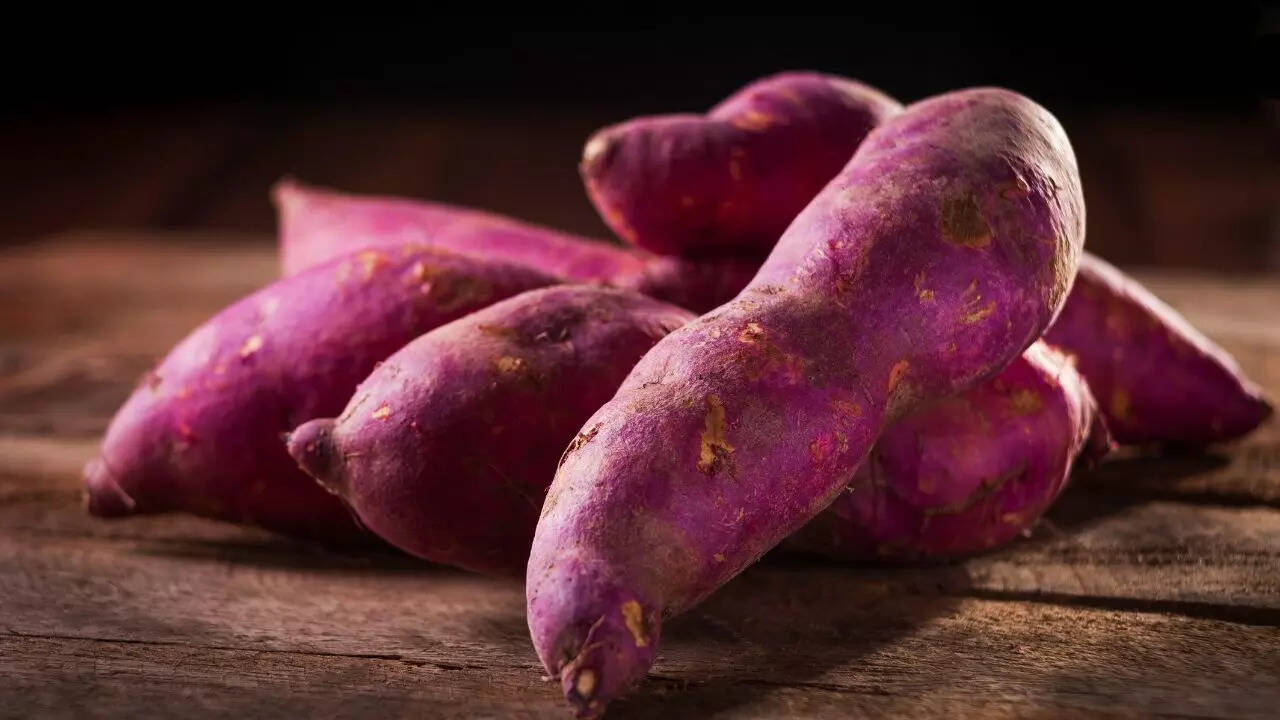
Purple sweet potatoes draw interest because anthocyanins often stay active after cooking. These compounds have been linked with anti-inflammatory behaviour and antioxidant effects that may slow natural cellular wear. Researchers stay cautious about making big claims, yet the pattern of evidence points towards benefits that stretch beyond basic nutrition.Some findings also show that anthocyanins may help regulate how the body deals with blood sugar. There is nothing extreme here. It feels more like support built slowly over time rather than a dramatic improvement.
Beta carotene and eye health from orange sweet potatoes
Orange sweet potatoes follow a clear path. Beta carotene enters the system and becomes vitamin A. Vitamin A supports night vision, eye moisture and overall immune function. It is not a complicated benefit. It simply does its work if eaten regularly. The antioxidant angle remains present, but it arrives through vitamin A support rather than the deeper pigment chemistry seen in purple sweet potatoes.
Purple vs. orange sweet potatoes: Taste, texture and culinary uses of
Orange sweet potatoes soften beautifully after steaming or roasting. Their sweetness makes them easy to fold into soups, mashed dishes, stews and desserts without needing extra sugar. They work well with warm spices like cinnamon and nutmeg. Purple sweet potatoes stay firmer and drier after cooking. Their taste is earthier, which blends naturally with savoury recipes, roasted vegetables and dishes that require pieces to hold shape. Their colour turns pies, smoothies and baked treats into something noticeably striking. The difference between them becomes obvious in the kitchen. Cooks usually choose based on how the final dish should taste and look rather than on nutrition alone.
Nutrient touches and everyday benefits of each type
Orange sweet potatoes carry beta carotene, vitamin C and fibre. Together these support skin health, immunity and eye function. The natural sweetness makes them helpful when warmth and comfort are needed with minimal added sugar. Purple sweet potatoes bring anthocyanins, fibre and minerals that relate more to antioxidant support and overall cell balance. Both types provide complex carbohydrates that release energy steadily. This helps avoid quick hunger and keeps meals satisfying without sudden drops in energy.
Health considerations when choosing purple or orange sweet potatoes
Compared with white potatoes, both purple and orange sweet potatoes generally have a lower glycaemic index. They can be gentler on blood sugar. Purple varieties may have a slight advantage in this area, which can help people managing glucose levels without wanting to give up familiar seasonal foods. Fibre in both supports digestion and can help meals feel heavier and more complete. If roasted, boiled or baked, they keep their natural value. Once sugar syrups or deep fat frying enter the picture, the benefit falls away and the balance changes.
Culinary role and visual appeal across dishes
Orange sweet potatoes show up wherever a smooth, rich texture is needed. Blended soups, warm salads, festive sides and sweet mash benefit from their softness. They take on spices easily and work well with butter, ghee or olive oil. Purple sweet potatoes bring a bold colour that turns ordinary dishes into something eye catching. Cakes, pies, steamed breads and smoothie bowls take on a vivid shade without artificial colouring. Their firm body allows them to hold shape in roasted dishes, and chefs often use them to add visual contrast on modern plates.
Which sweet potato is healthier overall
Choosing a winner feels misleading. Purple sweet potatoes lean toward antioxidant strength because of anthocyanins. Orange sweet potatoes support vitamin A intake in a way that directly benefits eyesight and immunity. It becomes a question of priorities. One person may want antioxidant defence. Another may care more for vitamin A support. Most shoppers still choose based on price, taste and habit. Awareness of the differences simply allows smarter decisions when needed.Both types earn a place in seasonal cooking. Purple varieties carry antioxidant depth that may protect cells. Orange varieties support vitamin A and eye health more directly. Using both through the winter keeps variety on the plate and helps the diet stay balanced without picking favourites. The healthiest choice is often the one that brings colour, comfort and steady nutrition to the table across the week.Disclaimer: This content is intended purely for informational use and is not a substitute for professional medical, nutritional or scientific advice. Always seek support from certified professionals for personalised recommendations.Also read| Simple tricks to fix bitter tea and make it tasty again (works even if the tea is over-boiled)