
Every year, millions deal with the sharp sting of urinary tract infections, or UTIs—often chalking it up to a slip in hygiene or just tough luck. New research, however, points to a sneaky culprit on the dinner table that is mostly in everyone’s diet:contaminated meat. A study from Southern California ties nearly one in five UTIs to E. coli bacteria lurking in meats like turkey, chicken, and pork. This finding turns everyday cooking into a key battleground for better health.
Study uncovers foodborne UTI risk

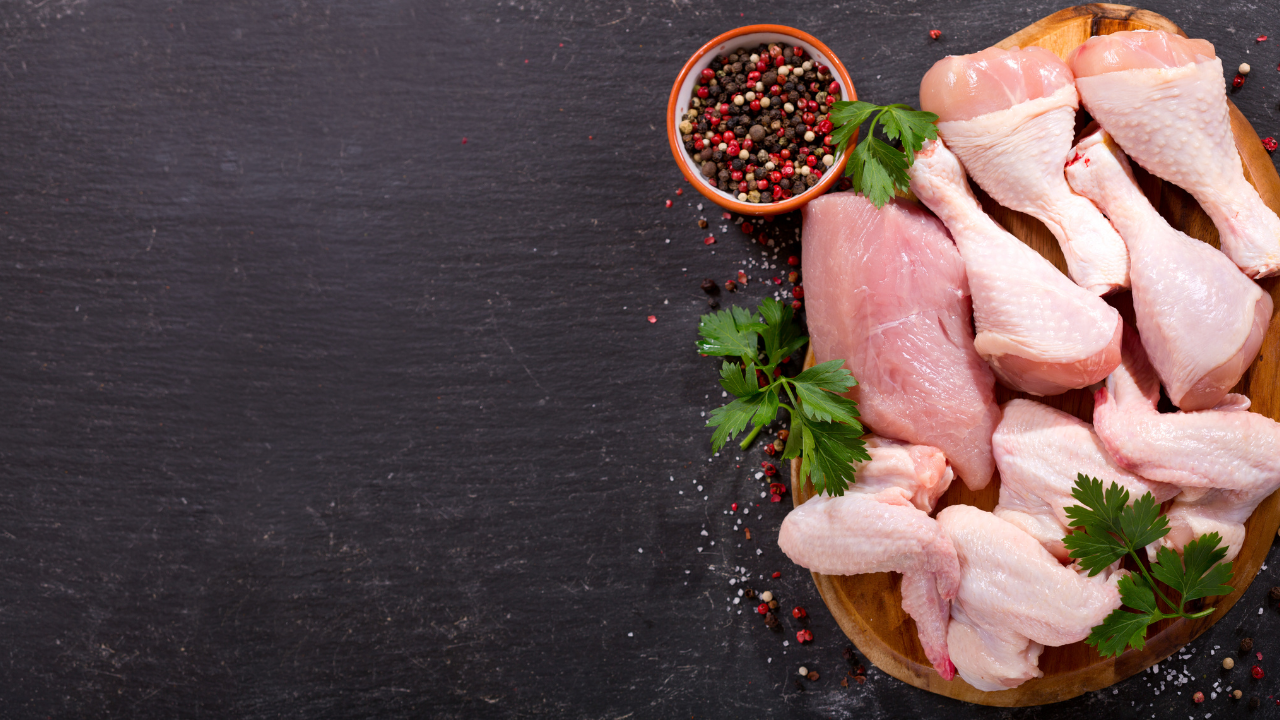
Scientists from George Washington University and Kaiser Permanente analyzed over 2,300 UTI cases from eight Southern California counties between 2017 and 2021. They compared urine bacteria to E. coli from 3,379 retail meat samples grabbed weekly from local stores. Result? Roughly 18 percent of infections matched animal strains, known as zoonotic or foodborne UTIs.Turkey led contamination at 82 percent, followed by chicken at 58 percent and pork at 54 percent. Poultry bugs showed extra knack for infecting humans, traveling from gut to urinary tract through sloppy handwashing after raw handling. Women saw 19.7 percent zoonotic hits, men 8.5 percent. Lower-income spots clocked 60 percent higher risks, tied to warmer storage.Rutgers microbiologist Dr. Martin Blaser, outside the study, noted it’s “the latest in a long series” linking food to UTIs. He suggests eyeing recent meals when symptoms hit, like that turkey dinner lingering in memory.
How E. coli sneaks into your bladder

E. coli drives 80 percent of UTIs, fueling 6-8 million U.S. cases annually. Gut natives turn pathogenic outside the intestines (ExPEC), riding meat juices onto counters, hands, and eventually the urethra. Cook kills most, but cross-contamination wins: raw drips mix with veggies, unclean fingers finish the job.Resistance to antibiotics worsens it, with meat strains echoing human ones. In India, humid weather and shared loos amplify women’s risks, while surging poultry use hints at similar gaps, echoing ICMR patterns.
Spotting UTI signs early
Watch for burning during urination, urgent needs, cloudy or bloody urine, belly pain, tiredness, or fever. Ignore it, and bugs reach kidneys, sparking sepsis. Elders and diabetics suffer more. India logs 11 percent lifetime odds for women, urging prompt checkups.
Simple steps to fight back

CDC basics: drink plenty to flush, shower not bathe, pee after intimacy, ditch douches, wipe front to back. Kitchen hacks: fridge-thaw meat, separate boards, 20-second hand scrubs post-raw, hit 75°C inside.Lean toward veggies twice weekly. In India, boil water, shun street raw meats, pick reliable vendors. New meds like gepotidacin target tough cases, but habits rule.Foodborne UTIs might explain 640,000 U.S. cases yearly, overlooked before. Factory farms spread resistant strains, pushing for stricter rules.