

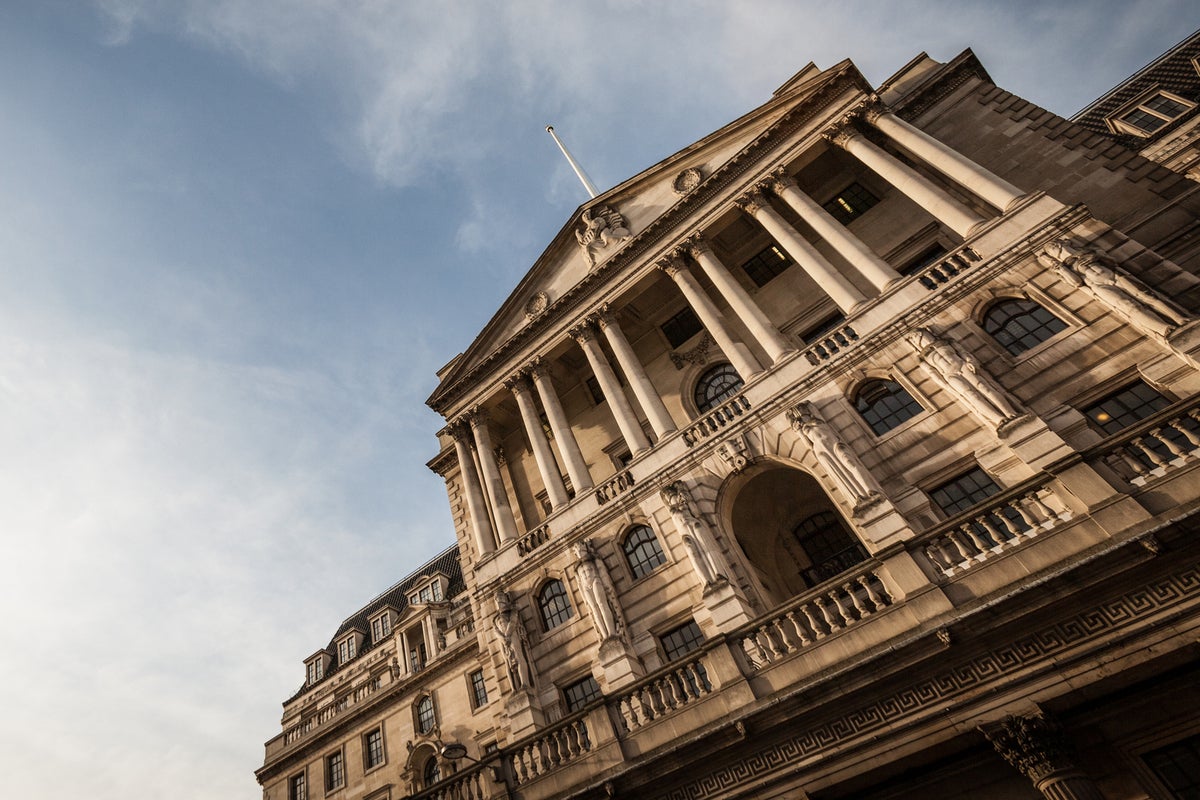
The Bank of England’s (BoE) next meeting to determine interest rates is today (6 November), and all eyes will be on the Monetary Policy Committee (MPC) and whether its members opt to continue lowering rates.
The base rate – currently at 4.0 per cent following cuts three times this year – impacts consumers and taxpayers through everything from their mortgages to savings, so what do experts foresee both this week and beyond?
Will interest rates be cut?
For perhaps the first time this year, analysts are wildly split – some are still certain that there will be nothing until next year, some predict December if inflation shows it’s still heading downward later this month, and some are betting that the vote comes in to cut today.
Barclays and Goldman Sachs have already put forward their analysis that with inflation appearing to have peaked, plus other data such as job vacancies continuing to fall, a 25 basis points rate cut is on the cards, down to 3.75 per cent.
RSM UK chief economist Thomas Pugh noted that Rachel Reeves’ pre-Budget chat is unlikely to have swayed MPC members either way – but the lack of clarity of what is coming will lead to caution. “We doubt that the speech will have had much impact on the outcome of the MPC meeting on Thursday,” he said. “It will be a close call, but we think the majority of the MPC will want to see the actual policies contained in the budget before committing to another rate cut. However, it does raise the chances of a rate cut in December if the budget is as deflationary as the Chancellor hinted at this morning.”
Barclays analysts noted that “food (dis)inflation is a key metric to watch in the near term” and are predicting a 5-4 split in “a tight decision” in favour of a cut.
As well as the domestic situation of higher inflation, we’ve had more uncertainty in 2025 over Donald Trump’s tariffs, businesses dealing with higher labour costs coming into force and escalated geopolitical tensions after Israel’s strike on Iran led to a brief oil price scare.
It’s worth remembering that for mortgages in particular, many products are priced using future expectations of the interest rate (swap rates), so changes in that market can already be accounted for.
For savers though, whether or not an immediate cut to variable rates is coming, it’s always worth checking the best offers on the market to make sure your money is earning as much as it can for you – or, over the longer term, looking to invest.

Get a free fractional share worth up to £100.
Capital at risk.
Terms and conditions apply.
ADVERTISEMENT
Get a free fractional share worth up to £100.
Capital at risk.
Terms and conditions apply.
ADVERTISEMENT

Influential factors around cuts
The MPC has nine members and their votes decide if the base rate is cut, raised or kept the same.
Among the factors MPC members will have been looking at are job and wages data, the level of inflation across the UK, economic growth and also external factors which can impact the UK.
Inflation remains higher than ideal at 3.8 per cent, with food and drink costs particularly high. Higher inflation is a reason to keep interest rates up, as it can discourage businesses from investing in new projects or hiring – which in turn raises earnings and spending power.
Therefore, fewer jobs or pay hikes means the opposite: lower spending power, lower demand, helping stem further price rises.
Recent key data has shown salary growth slowing and unemployment rising across the year – these are factors which can see interest rates decrease.
What about the rest of 2025?
Again, analysts still remain split but if there is no cut today, there’s currently better than a 50:50 chance that a cut comes in the final meeting of the year.
That’s on 18 December, with the next vote not until February of 2026.
Any rate cuts in November will not affect the OBR’s data for the upcoming Budget.

