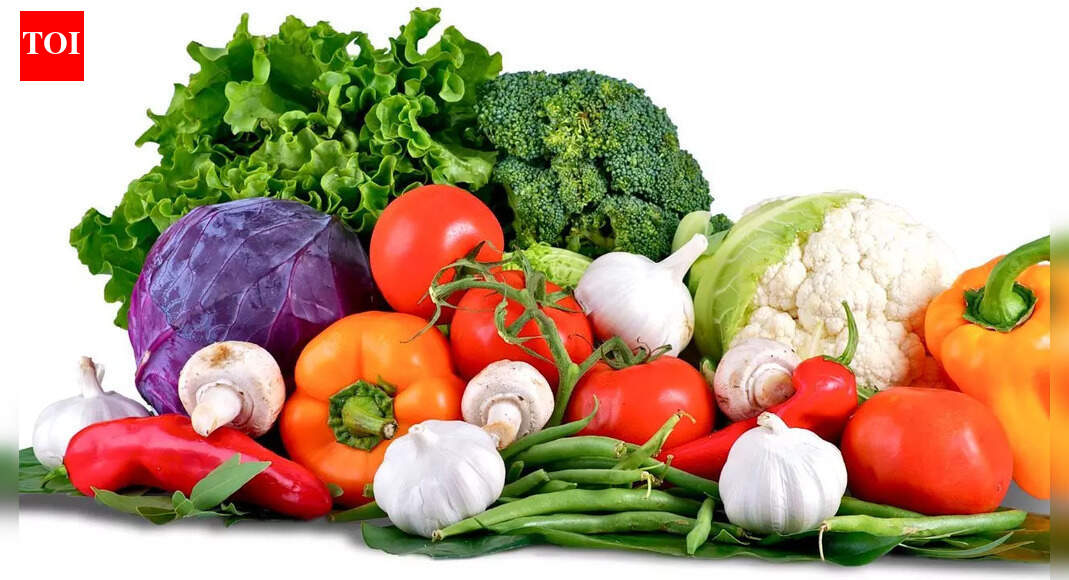
Vegetables are essential for a healthy diet, offering vital nutrients, vitamins, and minerals. Yet, not all vegetables are safe when eaten raw or cooked incorrectly. Certain varieties contain natural toxins that can lead to serious health problems such as poisoning, vomiting, or organ damage. For example, green potatoes, raw kidney beans, wild mushrooms, and rhubarb leaves contain compounds that are harmful if not properly prepared. Knowing how to store, clean, and cook these vegetables correctly is vital to ensure they are safe to eat. Proper preparation not only eliminates harmful toxins but also maximises their nutritional benefits, making vegetables both safe and highly beneficial for overall health and wellbeing.
Vegetables that can be harmful if cooked incorrectly
Green and sprouted potatoes
Potatoes are a staple in cuisines worldwide, but they can turn hazardous when they start to sprout or develop green patches. This greening is caused by the accumulation of solanine, a naturally occurring toxin. Consuming potatoes with high solanine levels can result in nausea, vomiting, diarrhoea, and severe gastrointestinal distress. To avoid this, always store potatoes in a cool, dark place and remove any green parts or sprouts before cooking.
Asparagus berries
Although asparagus is widely appreciated for its nutritional benefits, the red berries it produces are toxic. These asparagus berries contain compounds that can induce vomiting and other digestive issues if ingested. When preparing asparagus, always discard the berries and focus on cooking only the stems, which are completely safe to eat.
Raw kidney beans
Raw kidney beans contain a potent toxin called phytohaemagglutinin, a type of lectin. Even a small amount of raw kidney beans can cause severe gastrointestinal distress and, in extreme cases, can be fatal. Proper cooking is essential: kidney beans should be soaked and then boiled for at least 10 to 15 minutes to neutralise the toxin. Laboratory studies have shown that raw beans are lethal to rats, highlighting the importance of correct preparation.
Wild mushrooms
While cultivated mushrooms sold in stores are generally safe, wild mushrooms can be extremely dangerous. Certain species, such as the “death cap” (Amanita phalloides), contain lethal toxins that can cause organ failure and death in a single bite. Foraging for mushrooms should only be done by experts, and when in doubt, it is safer to stick with commercially cultivated varieties.
Raw lima beans
Lima beans are popular for their protein content and are often added to salads. However, raw lima beans contain a natural toxin called linamarin, which converts into cyanide when ingested. Cooking lima beans for at least 15 minutes neutralises the toxin, making them safe for consumption. Even a few raw beans can cause nausea, vomiting, and abdominal discomfort.
Raw cashews
Raw cashews contain urushiol, a toxic substance also found in poison ivy. While commercially available cashews are processed to remove this toxin, consuming unprocessed raw cashews can lead to skin irritation, rashes, and a burning sensation in the mouth. Always ensure cashews are properly roasted or steamed before eating.
Raw cassava
Cassava, a root vegetable commonly used in many global cuisines, contains linamarin and other cyanogenic glycosides. When eaten raw, these compounds release poisonous hydrogen cyanide, which can be fatal. Both the root and the leaves of cassava must be cooked thoroughly to remove these toxins, making them safe for consumption.
Tomato leaves
While the tomato fruit itself is safe and nutritious, its leaves and stems contain a toxic compound called tomatine. Consuming tomato leaves can cause headaches, dizziness, and digestive upset. Always avoid eating the leaves and ensure that the fruit is separated from the vine before use.
Rhubarb leaves
Rhubarb stalks are widely used in desserts, but the leaves are highly toxic due to high levels of oxalic acid. Ingesting just 25 grams of rhubarb leaves can be fatal, leading to kidney failure. Only the stalks should be used in recipes, and the leaves should always be discarded safely.
Spinach
Spinach is a nutrient-rich leafy vegetable, but it contains oxalic acid and nitrates, which can interfere with mineral absorption if consumed in large quantities raw. Cooking spinach properly reduces oxalate levels and makes calcium, iron, and other nutrients more bioavailable. This also helps prevent kidney stone formation in susceptible individuals.Disclaimer: This article is for informational purposes only and should not be considered medical advice. Some vegetables contain natural toxins that can be harmful if eaten raw or cooked incorrectly. Always follow safe food preparation practices, and consult a healthcare professional or certified nutritionist if you have concerns about your diet or food safety.