

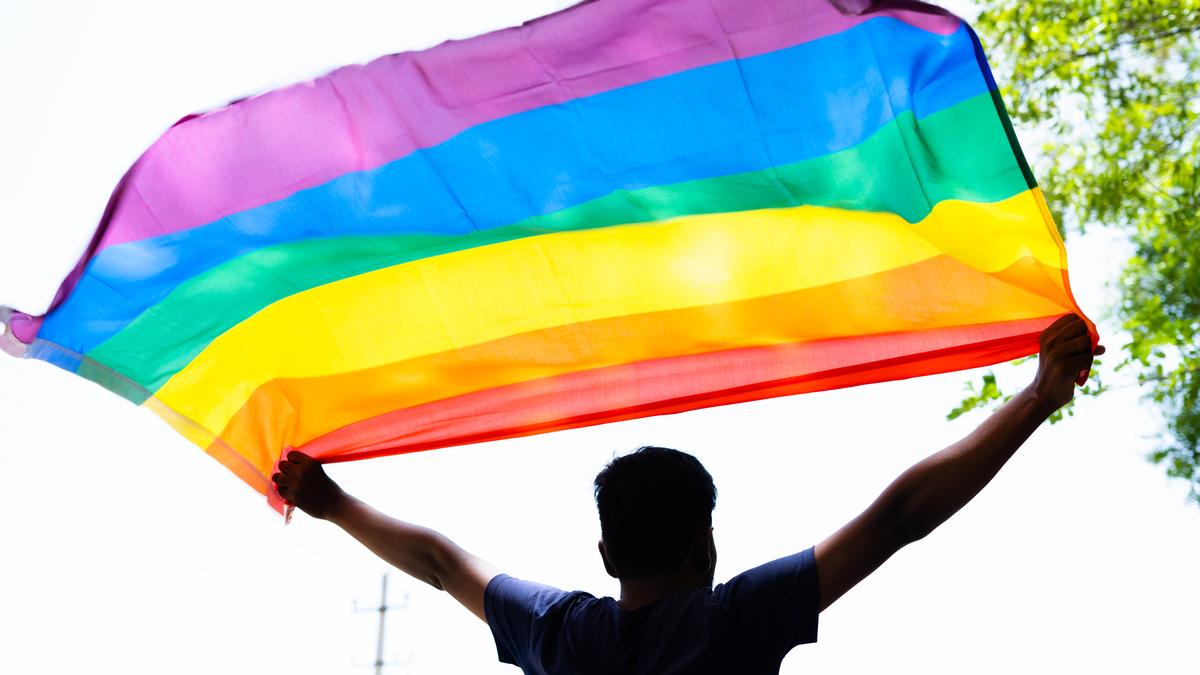
As both a trans woman and a woman, I have come to understand that policy is not an abstract document drafted in bureaucratic chambers; it is the scaffolding of our lives. For gender minorities, whose existence is often questioned or ridiculed, the absence of inclusive, enforceable, and humane policy is not just a governance gap; it is a denial of dignity.
Families may abandon us, schools may shut their doors, and workplaces may feign diversity while keeping us at the margins. Gender transition is expensive and requires resources most cannot access. The cost of abandonment, coupled with hunger, often leaves little choice but to walk into situations that endanger dignity and safety. A hungry body rarely waits for laws to catch up; it succumbs to survival.
Hollow quotas
Governments announce quotas for employment, education, housing, and welfare initiatives. But the reality is one of selective dispersal, corruption, and bureaucratic gatekeeping. One only needs to ask how many trans persons have genuinely benefited from these quotas to see the distance between promise and practice.
I recall standing in a queue outside a government office, forms filled in triplicate, my gender identity scrutinised with voyeuristic curiosity rather than bureaucratic neutrality. A quota that exists on paper but requires humiliation to access is not empowerment, it is entrapment.
Beyond the corridors of policy lies the texture of daily life. Try finding a home for rent as a transwoman and you will encounter the labyrinth of prejudice. Landlords hesitate, neighbours whisper, and societies form silent barricades. Housing, a basic marker of stability, becomes a privilege denied.
Even public spaces are fraught with ridicule. On buses, people stare and snigger; in markets, whispers follow every step. For many trans persons, the act of boarding a train or buying vegetables is an exercise in courage. To present one’s strongest self while enduring relentless humiliation is nothing short of heroic. Yet, policy has not caught up with the reality that safety in public spaces is as much a right as food or shelter.
History shows us the cost of systemic exclusion. When African-Americans were denied civil rights, democracy in the U.S. was hollow. When women were denied the vote, half the world was relegated to second-class. The denial of rights to gender minorities is a repetition of history’s cruellest errors. Every time a trans person is denied education, a scientist is lost. Every time a trans person is denied housing, an artist is displaced. Every time a trans person is ridiculed in public, a leader is silenced.
Policy cannot remain something done for us; it must be done with us. For too long, gender minorities have been treated as passive recipients of government benevolence rather than active participants in shaping priorities.
Representation in politics is not symbolic — it is structural. Without trans voices in Parliament, State Assemblies, and municipal councils, our realities remain footnotes in files rather than the focus of legislation. When decisions about housing, healthcare, or education are made without us, they reproduce the blind spots of privilege.
Urgent priorities
Policy is a statement of national conscience. For gender minorities, three areas require urgent reform:
The first is education, including scholarships, inclusive curricula, and anti-discrimination protocols. A child bullied out of school is not just a statistic; she is a future cut short. The second is to provide affordable, state-supported gender transition and mental health care. Transitioning is not cosmetic; it is survival. The third is employment and housing. Anti-discrimination laws, rental protections, and workplace inclusivity must be enforced with penalties. Representation must translate into payrolls and property deeds. All these are non-negotiable foundations of equality.
A nation that sidelines its gender minorities sidelines its own potential. The measure of society is not how it treats its powerful but how it safeguards its vulnerable. Denial of human rights is not merely a trans issue; it is a national issue. By excluding us, India loses talent, creativity, and the unique perspectives diversity brings. Consider the flourishing of arts, sciences, and reform whenever societies widened their embrace. When women entered universities, medicine advanced. When Dalits entered legislatures, democracy deepened. When LGBTQ+ persons are allowed to live openly, culture and business innovated with vitality. India cannot aspire to global leadership while silencing voices at home that seek nothing more radical than the right to live with dignity.
As a trans woman, I am reminded daily that resilience is our inheritance, but resilience cannot substitute for rights. Policy must bridge the chasm between personal courage and systemic support. Without it, we remain trapped in cycles of abandonment and ridicule. And most importantly, without seats for us in political chambers and decision-making forums, every law will remain about us but never truly with us. Inclusion in politics is not tokenism; it is the very architecture of justice. The censor board passes derogatory content about us, but a trans person has never been appointed to a mass-media board.
Policy is not paperwork. Policy is life. Until gender minorities are woven into its fabric and its political debates with sincerity, our nation will remain a patchwork of promises rather than a tapestry of justice.
Apsara Reddy, Official Spokesperson, AIADMK
Published – September 23, 2025 12:42 am IST

