Every kitchen has its ghosts, not the spooky kind perhaps, but the tenderly invisible ones. The mother, whose hand movements we unconsciously imitate while kneading the dough, or the gentle folds of kitchen napkins, as grandma wanted them. The stirring of the curry till it attained the texture my sister appreciated. The smell that brings back memories to the fore, if only for a moment.
The sounds from the kitchen become echoes of people long gone or far away. In their absence, they often take up more space than they ever did when present.
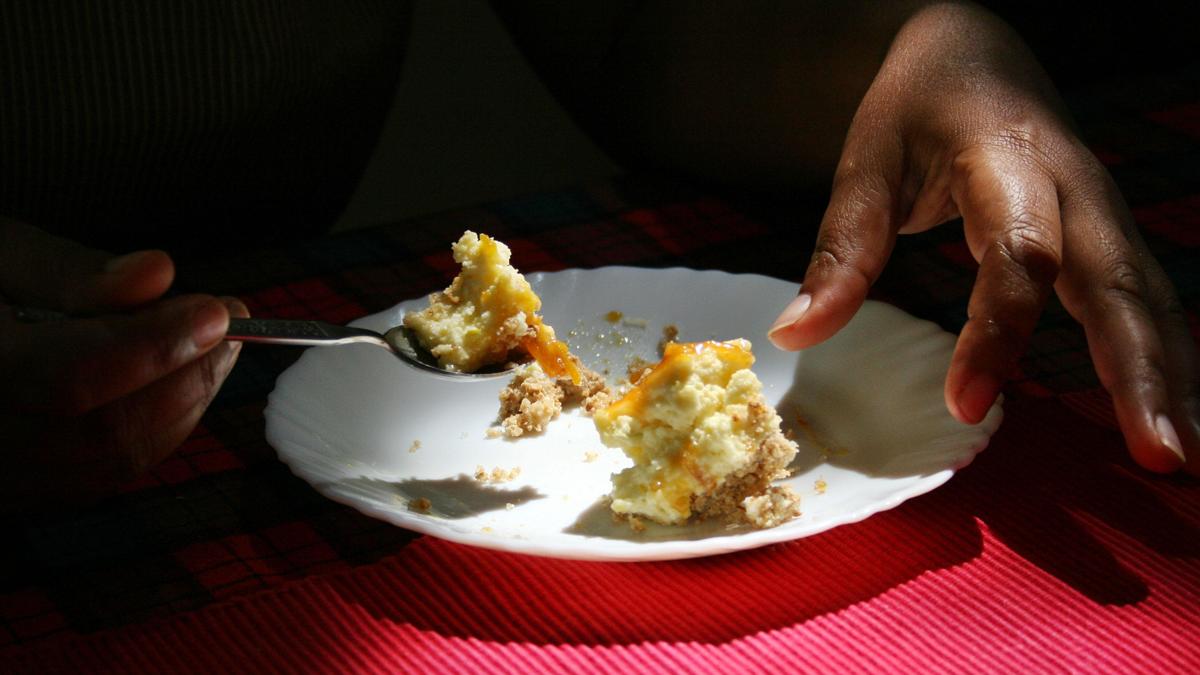
Every family recipe has a backstory. That humble, earthy cake I used to bake was nothing extravagant; it had neither icing nor exotic ingredients, just a pinch of love. Yet it was my children’s favourite. A simple delight they would choose over any fancy store-bought dessert. I had tasted better cakes elsewhere, but none could match the joy this one brought to our home.
Years have passed, and the children have grown into fine young men. But they still ask for that exact cake. Each time, I diligently follow the old recipe without updates or clever twists. Our cake is not perfect, but it tells our story. In the story, a mother nourishes her children with each lovingly served slice, and there is a messy laughter in the kitchen, alongside two flour-dusted, brightly lit faces.
That old recipe has become a kind of heirloom of memories and a keepsake of comfort and connection. In a tranquil and powerful way, it reminds me that love is not always loud. Often, it is just warm, soft, and slightly sweetened, like the cake fresh out of the oven.
Our meals are also diaries in disguise, with each dish becoming a chapter, and every bite a bookmark. We make significant entries in the journal through the little meals we prepare. And through those, that we do not. If ingredients are the matter, then intentions, thoughts, and mood are the spirit.
Food has the unique tendency to absorb our emotions and feelings. I told you about the ghosts, right? Have you ever noticed how the same dish tastes different when made in sadness rather than celebration? Believe me, a hurried vegetable tastes rushed, while a slow-cooked biriyani (rice dish) carries patience.
I never understood why my grandmother always said, “You must put your heart into cooking.” Don’t women have a better use of their hearts? I tell you, friends, when your grandma says this, take it literally anytime. The recipes passed down through generations come seasoned with sacrifice, struggle, and tenderness. The spices keep changing over time, and kitchens become smart, but emotions remain rooted.
I have been thinking about a young widow who lost her husband to a sickness. A few days later, she was preparing food for her children in silence. Her hands stirring gently and head bowed down. I saw pain and sorrow rushing into the food. Yet, amidst all the sadness, there was this stubborn love of a mother pushing past all the clouds to fill the bowl for her child.
In a drought-stricken countryside, a farmer’s wife is watching the boiling rice, calculating fervently how to divide the rice into equal portions. There is pain and poetry in her cooking, the language of survival. While some may think of the kitchen as a cosy, warm space, for many, especially the womenfolk across the world, it is also a site of unpaid labour and silent sacrifice.
When a daughter is taught by her mother to make the family’s special curry, she is passing the recipe as well as lessons on resilience, and a sense of continuity. When a man learns to cook for himself, it is an act of reclaiming control. When children prepare a surprise breakfast for their parents, they are offering love in the most edible form.
It is no secret that authors and filmmakers make food a full-fledged character in their stories, songs, and scenes. From moments of grief to jubilant celebrations, food speaks louder than words. Even heartbreaks come with their own food rituals of midnight tubs of ice cream.
Food demands the spotlight with flair. It loves to bask in glory and adulation at weddings and potlucks. But when in a nasty mood, food becomes divisive, fuelling riots and conflict. At its noblest, food is a great equaliser. At religious feasts, community kitchens, and temples, food sheds all pretence, and draws people into one compassionate fold.
Food is our unofficial identity card. What we eat, how we cook, and how we turn up our noses at specific dishes, reveal more than our bio-data. Gluten-free rotis and quinoa have created new personalities. Dietary plans are evolving faster than any other mobile app. Today I am on Keto, tomorrow on millets, and then sipping juice out of bamboo cups to combat climate change. Food exposes my aspirations, my greed, and my anxieties. See how hungry I am?
alka28jain@gmail.com
Published – November 30, 2025 01:47 am IST