Flushing the toilet feels automatic. You stand up, press the button and walk away without really thinking about it. The sound is loud, the water moves fast, and within seconds, it is over. Because it feels so routine, it is easy to assume nothing else is happening. But what happens right after the flush has been bothering researchers for a while. A peer-reviewed study published in the American Journal of Infection Control looked closely at what actually spreads inside a bathroom when a toilet is flushed, comparing lid open and lid closed situations. The researchers tracked microscopic particles released into the air and where they eventually settled. What they found was uncomfortable. Flushing can send invisible droplets onto nearby surfaces, and closing the lid does not completely stop that spread. Suddenly, the flush does not feel so harmless anymore.
What the research says about lid closure and aerosol spread
The study focused on how flushing pushes tiny particles upward from the bowl. These particles are too small to see and move quickly with air currents. What surprised many readers was that closing the lid did not fully stop this spread. Some particles still escaped and settled around the bathroom. This does not mean the lid does nothing. It means the process is messier than people imagine. Toilets are not sealed units. Gaps around the lid and seat allow air and droplets to move.
Why closing the toilet lid before flushing still makes sense

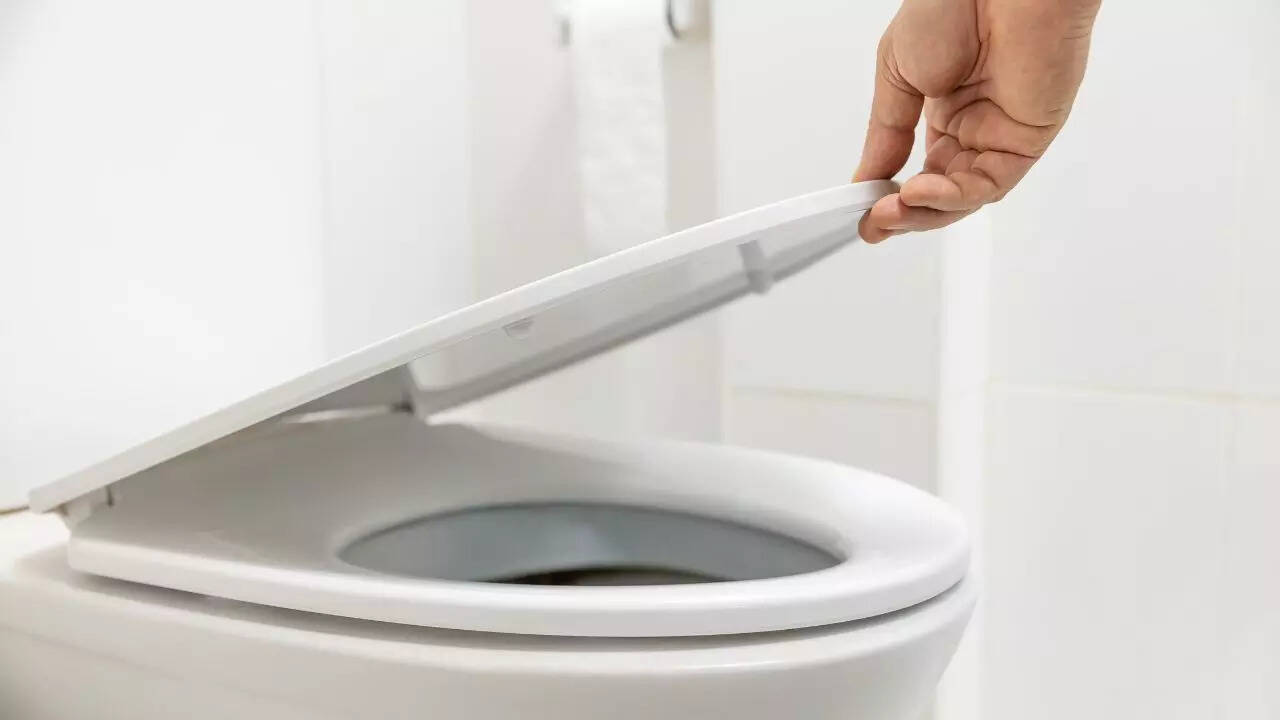
Even if the lid does not block everything, it still changes how the flush behaves. Larger droplets are more likely to hit the underside of the lid instead of flying straight out. That matters in real homes where toothbrushes, towels and hands are close by. Closing the lid also limits visible splash and reduces how far moisture travels. It is not a perfect shield, but it lowers exposure in everyday use.
Other steps that improve toilet hygiene more reliably
Because the lid alone is not enough, hygiene relies on layering habits. Regular cleaning of the toilet seat, handle and nearby surfaces matters more than people like to admit. Ventilation helps too. Bathrooms that trap steam and air allow particles to linger longer. Even small habits like keeping personal items away from the toilet area make a difference over time.
Practical habits to protect bathroom users
Closing the lid should be part of a routine, not the only step. Flushing with the lid down, wiping surfaces regularly and washing hands properly work together. None of these steps are dramatic on their own. But combined, they reduce how much contamination spreads without anyone noticing. This is especially important in shared bathrooms where multiple people use the same space daily.The hidden reason to close the toilet lid before flushing is not fear. It is awareness. Flushing does more than move water. It moves particles. Closing the lid does not stop everything, but it interrupts the spread enough to matter when paired with cleaning and ventilation. Bathrooms are small spaces. What happens in them does not disappear just because it is invisible. Small habits, repeated daily, quietly protect the people who use them.Also read| 5 simple ways to keep your bouquet fresh and fragrant for days