AP NIKLAS HALLE’N
| Photo Credit: NIKLAS HALLE’N
(This is the latest edition of the Political Line newsletter curated by Varghese K. George. The Political Line newsletter is India’s political landscape explained every week. You can subscribe here to get the newsletter in your inbox every Friday.)
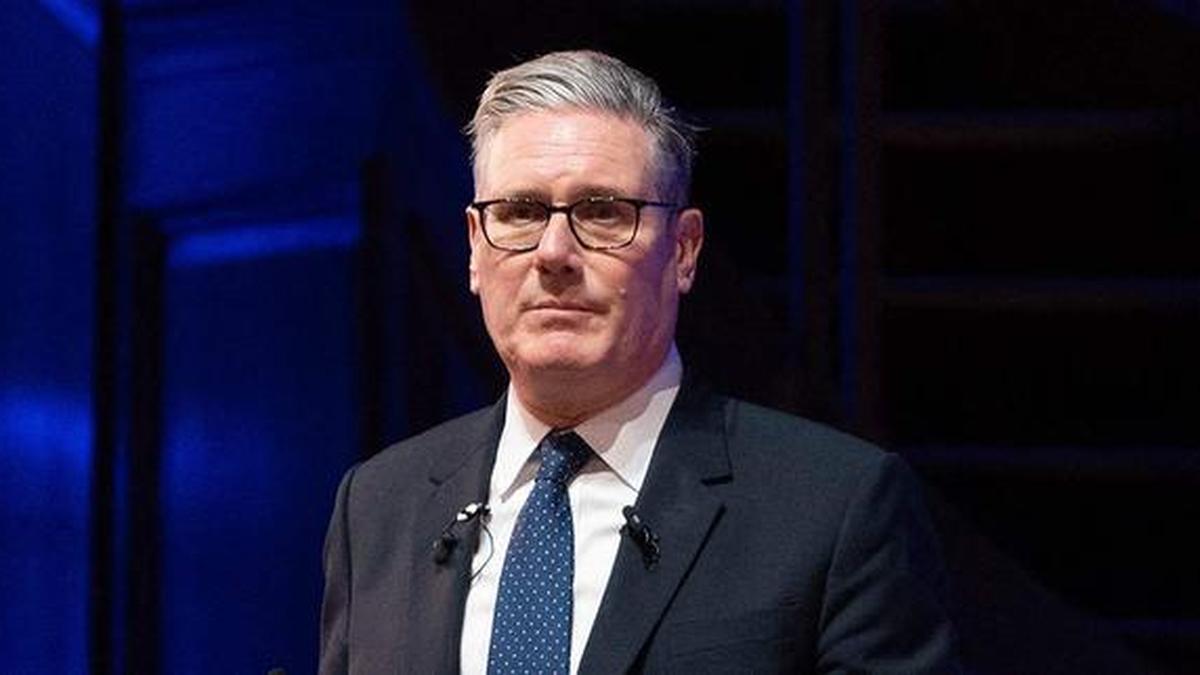
Britain’s Liberal Prime Minister Keir Starmer has unveiled a mandatory digital ID system for all workers in the UK, positioning it as a cornerstone of his strategy to curb illegal immigration and counter the rise of Reform UK, a party known for its hardline stance on immigration. The digital ID, which will be required to prove the right to work, is intended to prevent undocumented migrants from entering the shadow economy and undercutting wages. It will be stored on smartphones and checked against a central Home Office database, flagging expired visas or criminal records instantly.
Digital ID systems, while technologically sophisticated, often fail to resolve the governance challenges they are meant to address. India’s Aadhaar, the world’s largest biometric ID programme, is a case in point. Despite its near-universal coverage, the Government of India recently told the Supreme Court that Aadhaar cannot be relied upon as proof of citizenship or even date of birth. What was once popularised as the panacea for all governance questions is now being disowned by the government itself. The Court agreed, stating that Aadhaar was designed to identify residents—not verify nationality or legal status. New Aadhaar cards now carry disclaimers clarifying this limitation. This shift reflects a deeper concern: digital IDs, while useful for accessing services, can impose additional burdens on individuals—especially the marginalised—without resolving core legal or administrative issues. People may be excluded from entitlements or subjected to repeated verification demands, while the state continues to struggle with enforcement and clarity. The Indian experience shows that digital identity alone cannot substitute for thoughtful, inclusive governance.
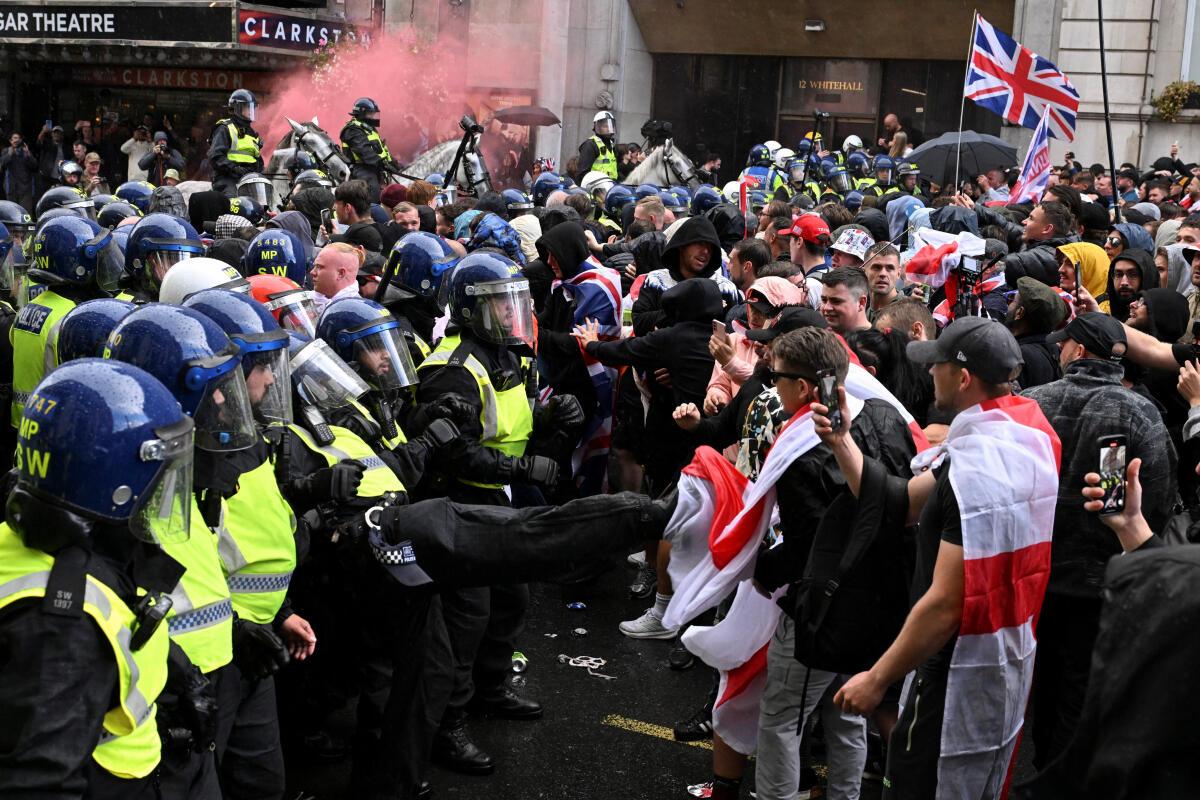
On 13 September, more than 1.5 lakh people gathered in central London for the “Unite the Kingdom” rally, one of the largest anti-immigration protests in UK history. On the same day, in Assam, Prime Minister Narendra Modi declared that India must be “freed from infiltrators,” promising strong action against illegal immigration and accusing opposition parties of protecting them. Assam is scheduled to vote early next year to elect a new government.

In the run-up to the Bihar election, which is now around the corner, the BJP and the Election Commission of India (ECI) are talking about an administrative sweep to cleanse the State of ineligible voters. Congress leader Rahul Gandhi and his local partner Tejashwi Yadav of the RJD accuse the BJP and the ECI of being in collusion to disenfranchise genuine voters.
Whether to err on the side of inclusion or on the side of exclusion is the critical question. In the United States, the Democrats and the Republicans are at loggerheads on this issue. The Republicans want stringent rules that ensure only citizens with proper documentation are allowed to vote, but the Democrats are for wider enrolment of people, even at the risk of non-citizens taking part in the electoral process.
Federalism Tract: Notes on Diversity
Lingayats vs Hindu
The question of whether the Lingayats in Karnataka are Hindus has resurfaced as a major political and social issue as Karnataka has started a new socio-educational survey on 22 September. There is a general consensus in the community that it does not want to be tagged Hindu, but then there are internal divisions over how to identify themselves. The decades-old dilemma over nomenclature has intensified since the 2017 Lingayat movement, which sought recognition of Lingayatism as a separate religion. While the Jagatika Lingayat Mahasabha (JLM) urges members to identify solely as ‘Lingayat’ under the ‘Others’ religion category, the Akhila Bharatha Veerashaiva Mahasabha suggests using ‘Veerashaiva’, ‘Lingayat’, or ‘Veerashaiva Lingayat’ with sub-caste details.
Tribal Affairs
On 9 September, members of the Ho tribe staged a protest in Jharkhand’s West Singhbhum district, fearing that there were plans by the government to interfere with their traditional system of self-governance by removing village heads, known as Mundas. The Manki-Munda system is central to the Ho tribe’s traditional governance. Each village is led by a Munda, who is responsible for resolving local socio-political disputes. These positions are hereditary, passed down from father to son. A group of villages, known as a pir, is overseen by a Manki, who handles cases that cannot be resolved at the village level.
Hyderabad: Liberation vs Integration

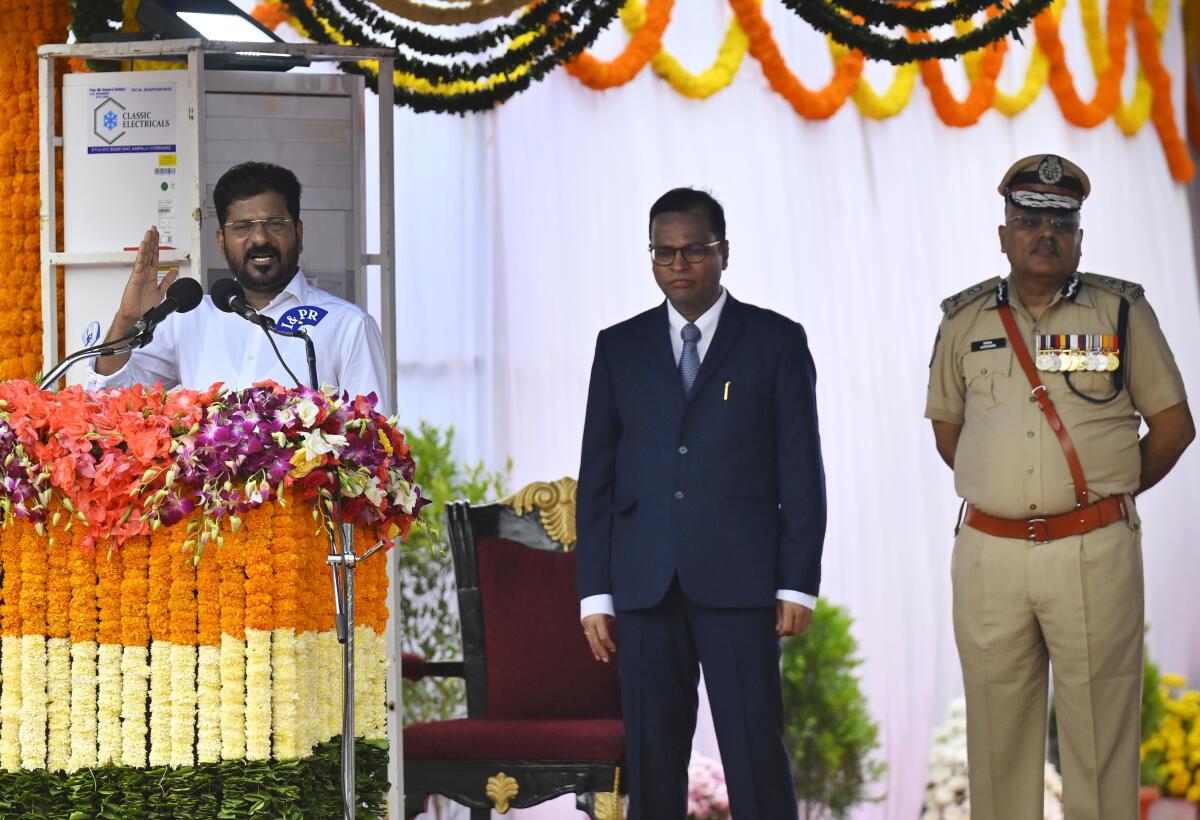
On 17 September in Telangana, there were three distinct celebrations by political rivals who tried to disprove that ‘a rose by any other name would smell as sweet.’ The day marked the anniversary of Hyderabad’s integration into India, and three different parties wanted to set its theme with the purpose of advancing their respective politics of the present. The Congress-led State government observed the day as Praja Palana Dinotsavam (People’s Governance Day), emphasising democratic values and the role of citizens in shaping governance. Chief Minister A. Revanth Reddy led the official ceremony, though many Congress leaders continued to refer to it as Telangana Integration Day. The Bharat Rashtra Samithi (BRS), meanwhile, upheld its tradition of celebrating National Integration Day. In contrast, the Bharatiya Janata Party (BJP) commemorated the occasion as Hyderabad Liberation Day, focusing on the end of Nizam’s rule and the region’s liberation, to emphasise the Muslim communalism behind the turmoil. Objective history, anyone?

Published – September 27, 2025 12:29 pm IST