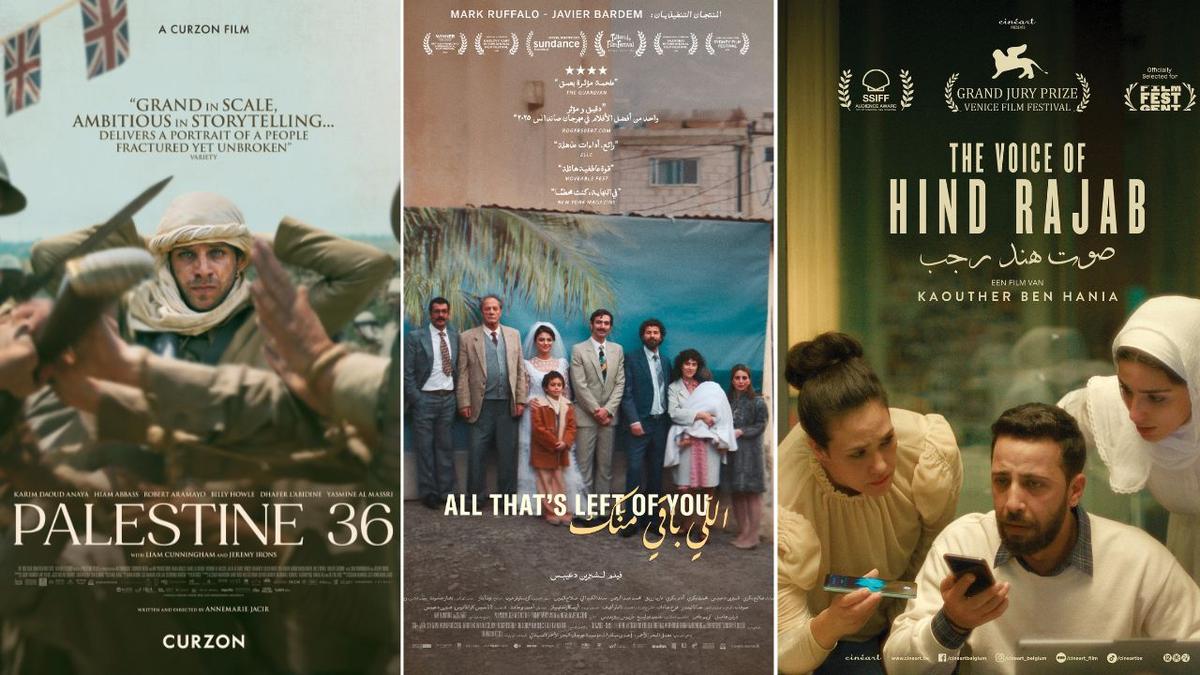
Three Palestine-themed films determined not to let the world forget the plight of a people under siege have made Academy Awards history.
Cherien Dabis’ All That’s Left of You (Jordan), Kaouther Ben Hania’s The Voice of Hind Rajab (Tunisia) and Annemarie Jacir’s Palestine 36 (Palestine) are among 15 titles in the Best International Feature Film shortlist of the Oscars 2026. The final nomination of five films will be unveiled on January 22, 2026, before the winner is announced at the 98th Academy Awards ceremony on March 15, 2026, at the Dolby Theatre in Los Angeles.
One of the three, the Tunisian submission, drives home the horrors of the current situation. The other two dive into the past to trace the roots of the pain inflicted upon Palestine.
A still from The Voice of Hind Rajab by director Kaouther Ben Hania is Tunisia’s entry in the Oscars 2026 shortlist.
The Gaza genocide may have enhanced the films’ urgency but their heightened visibility today does not suggest that the normalisation of occupation and oppression is a recent development.
Palestinian-British filmmaker Said Zagha, winner of Best Short Film Golden Yusr at the 5th Red Sea International Film Festival (RSIFF), earlier this month, accepted the prize with a hat-tip to filmmakers who have paved the way.
“Incredible Palestinian filmmakers have overcome insurmountable odds to tell their stories…We stand on their shoulders,” Zagha said in his award acceptance speech, referring to the three Oscar contenders and other directors.
“I think we can reach a critical mass,” Dabis tells me in an interview at RSIFF. “I think we can absolutely change people’s hearts and minds. We’re getting there.”
Growing chorus of Palestinian voices: Cherien Dabis
All That’s Left of You spans from the year of the Nakba to 2022. It portrays a Palestinian family across three generations. In 1948, a man is forced out of his home.

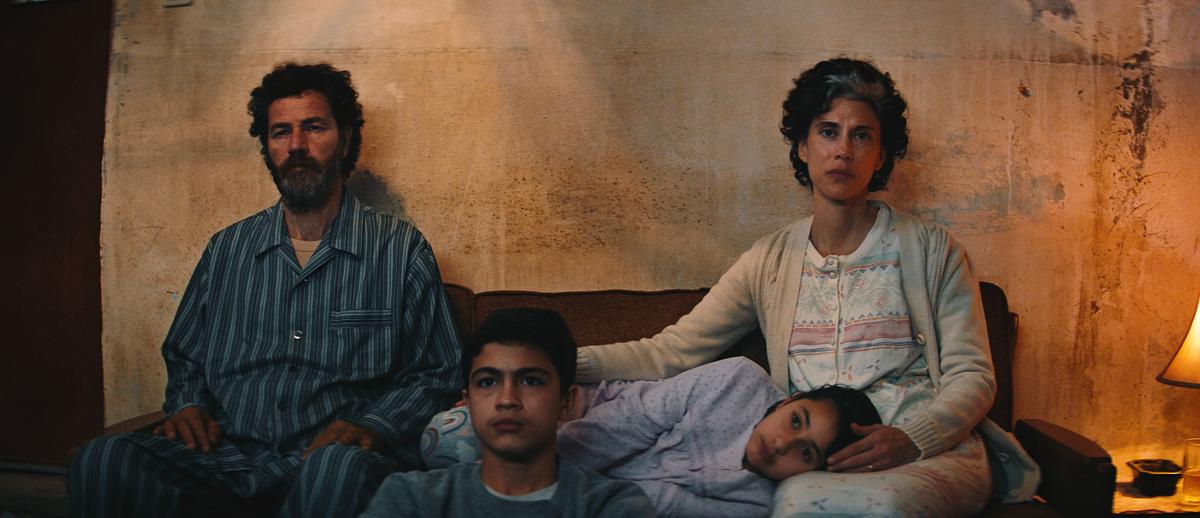
A still from All That’s Left of You by director Cherien Dabis is Jordan’s entry in the Oscar Shortlist.
Decades later, his grandson, disillusioned with his father who too has inevitably faced brutal oppression, is drawn into a direct clash with the Israel Defence Forces (IDF). The chain of events is seen through the eyes of the boy’s mother, played by Dabis herself.
The American-Palestinian director is confident that the enthusiastic response to her film is a sign that the narrative might finally be shifting. Indeed, her film is an addition to a growing chorus of Palestinian voices in world cinema.
Of history and identity: Annemarie Jacir
So is Palestine 36. The epic drama explores history and identity the way Jacir’s three previous features — Salt of This Sea, When I Saw You and Wajib —did. Only, the scale of the new film is far larger.

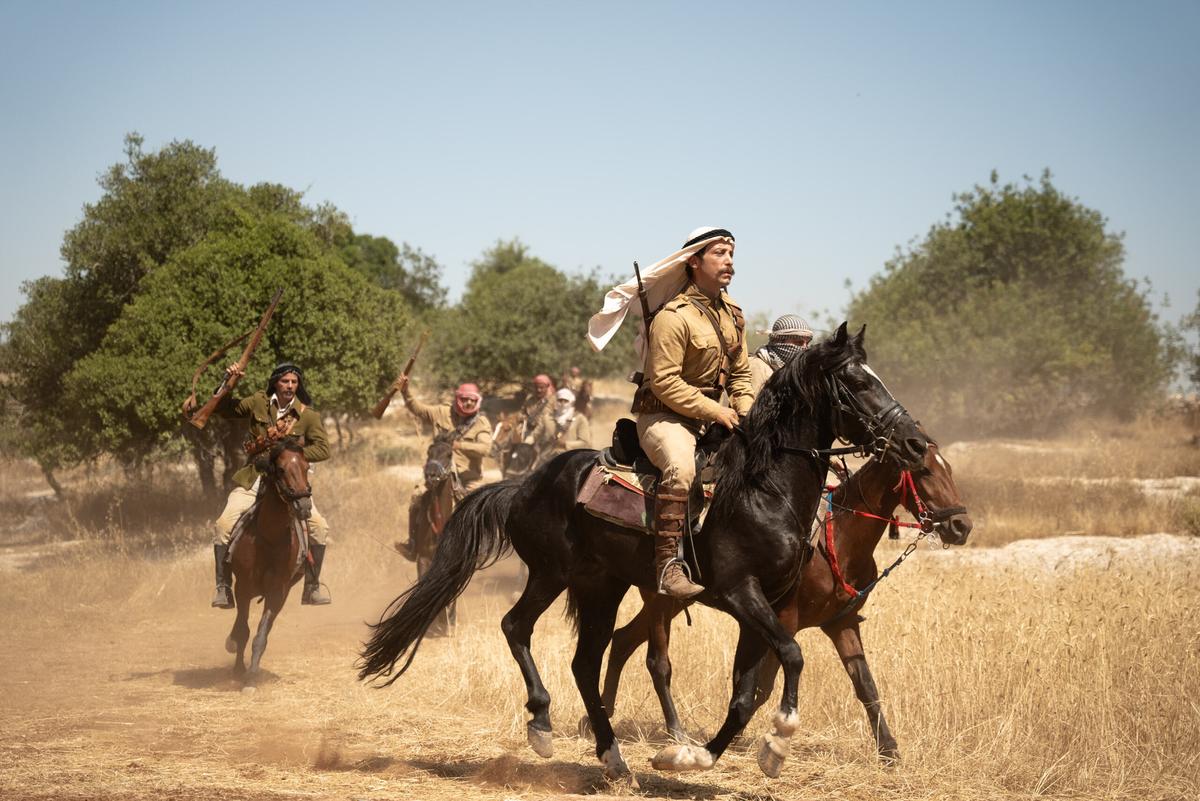
A still from Palestine 36 by director Annemarie Jacir is Palestine’s entry in the Oscars shortlist.

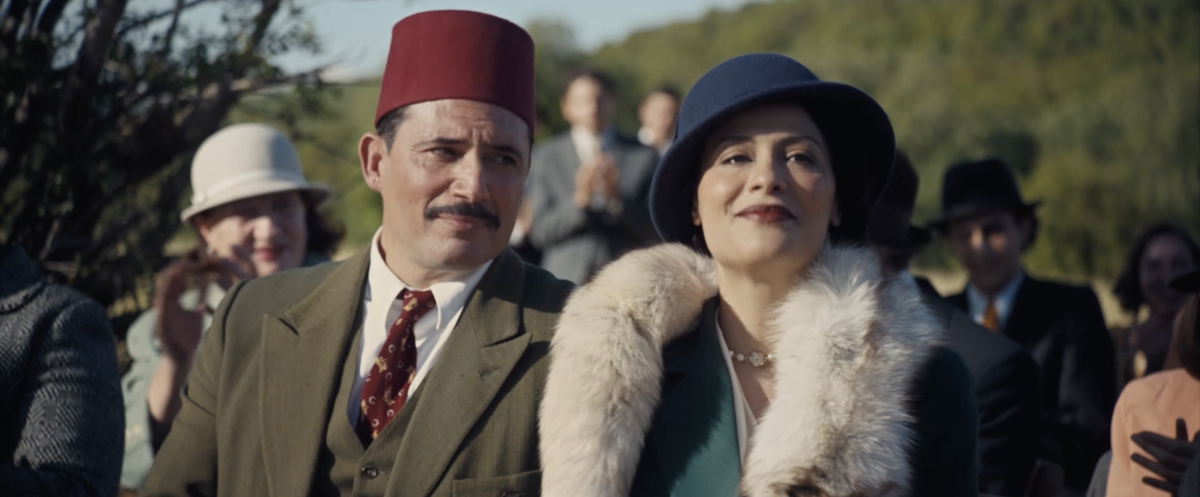
A still from Palestine 36 by director Annemarie Jacir.
Twice-nominated: Kaouther Ben Hania
The Voice of Hind Rajab is an unsettling cri de coeur from twice Oscar-nominated Tunisian director Ben Hania (The Man Who Sold His Skin, Four Daughters).
The docu-fiction, fusing real recordings and re-enactment, follows Palestine Red Crescent responders desperately trying to get an ambulance across to a six-year-old girl trapped in a car under IDF attack in Gaza.
Ben Hania says she started working on The Voice of Hind Rajab to counter a crippling sense of helplessness. “I questioned what it really meant to be making films in our times,” she says. “Everything felt meaningless. So, doing nothing was not an option.”

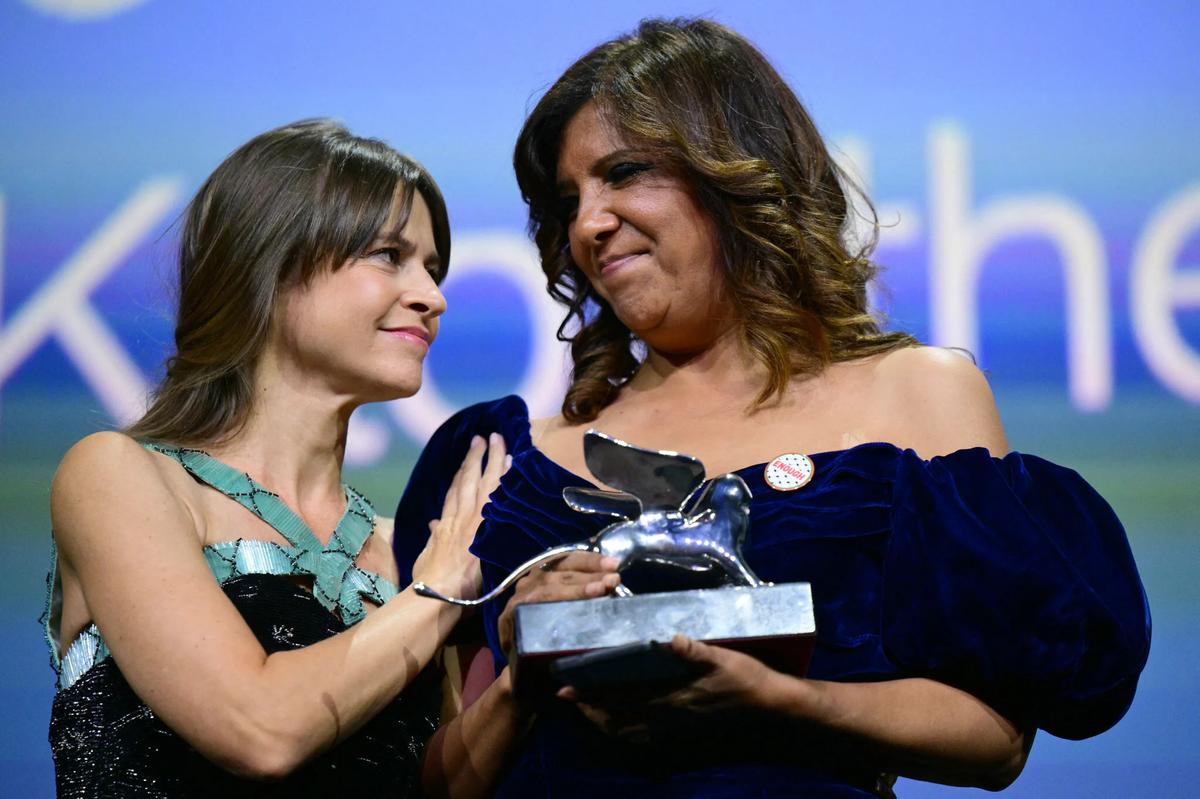
Kaouther Ben Hania receives the Silver Bear from Italian director Maura Delperoat at the Venice International Film Festival 2025.
| Photo Credit:
AFP
“When I heard Hind Rajab’s voice on the Internet, it had a deep impact on me,” she says, explaining why she simply had to make the film. The Voice of Hind Rajab, Venice Silver Lion winner, received the longest-ever standing ovation in the festival’s history.
Similarly, Palestine 36, about an Arab uprising in British Mandate-era Palestine, received a 20-minute post-screening applause at its world premiere at the Toronto International Film Festival.
“People are seeing things that they’ve never before,” says Dabis. “But not just these three films, many Palestinian artists and storytellers have been working towards this narrative change for decades,” she adds.

Cherien Dabis accepts the Silver Yusr Feature Film Award on stage during the Yusr Awards Ceremony at the Red Sea International Film Festival 2025 on December 11, 2025 in Jeddah, Saudi Arabia.
| Photo Credit:
Getty Images
History of Palestinian film at the Academy Awards
At the Oscars, the Palestine story began in right earnest in 2002 when Elia Suleiman’s absurdist black comedy Divine Intervention was denied a deserved spot in the competition because his nation’s status as a sovereign state was disputed.
Three years later, Hany Abu-Assad’s Paradise Now was nominated for a Best Foreign Language Film Oscar as an entry of “the Palestinian Territories”. Abu-Assad was back in Academy Award contention with Omar in 2013.
Israeli-Palestinian Scandar Copti, whose Ajami was nominated for an Oscar in 2009, is developing a new hybrid film, A Childhood, aimed at emphasising that the genocide isn’t a reaction to the events of October 27 but a continuation of decades of atrocities.
But as the world today processes a livestreamed genocide, Palestinian films are making their way, against all odds, into mainstream distribution. Increasing Academy recognition is only a bonus, a much-needed shot in the arm.
Winners take it all
Last year, No Other Land, made by an Israeli-Palestinian collective, won the Best Documentary Feature Oscar. In 2024, From Ground Zero, an anthology of 22 documentary shorts made by directors based in war-ravaged Gaza, made the Oscars shortlist, as did the short fiction film An Orange from Jaffa.

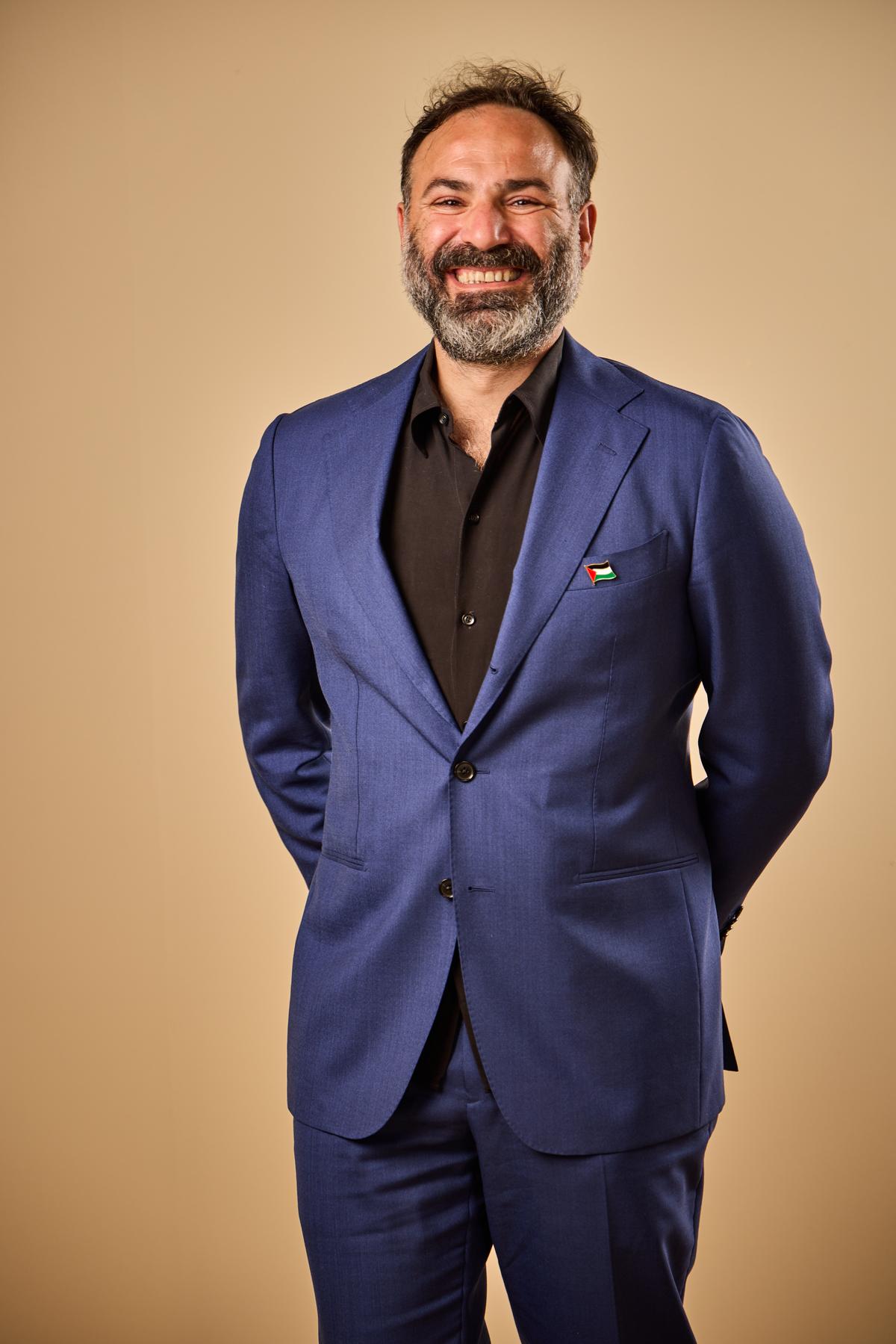
Actor Jalal Al Tawil poses at the Red Sea International Film Festival 2025 on December 6, in Jeddah, Saudi Arabia.
| Photo Credit:
Getty Images
Syrian actor Jalal Altawil, who plays a key role in Palestine 36, lauds Jacir for bringing to light an important but little-known chapter in the story of the Israeli-Palestinian conflict. “She combines 40% fact with 60% fiction to tell a story that is firmly rooted in history,” Altawil says. “The balance she achieves is incredible.”
Palestine 36 delves into the roots of the Israel-Palestine conflict. The story encompasses different facets of the exploitation, manipulation and injustice that Palestinians faced from Europeans who, with their Sykes-Picot Agreement and Balfour Declaration, dismembered a land to accommodate Jews fleeing Nazism.
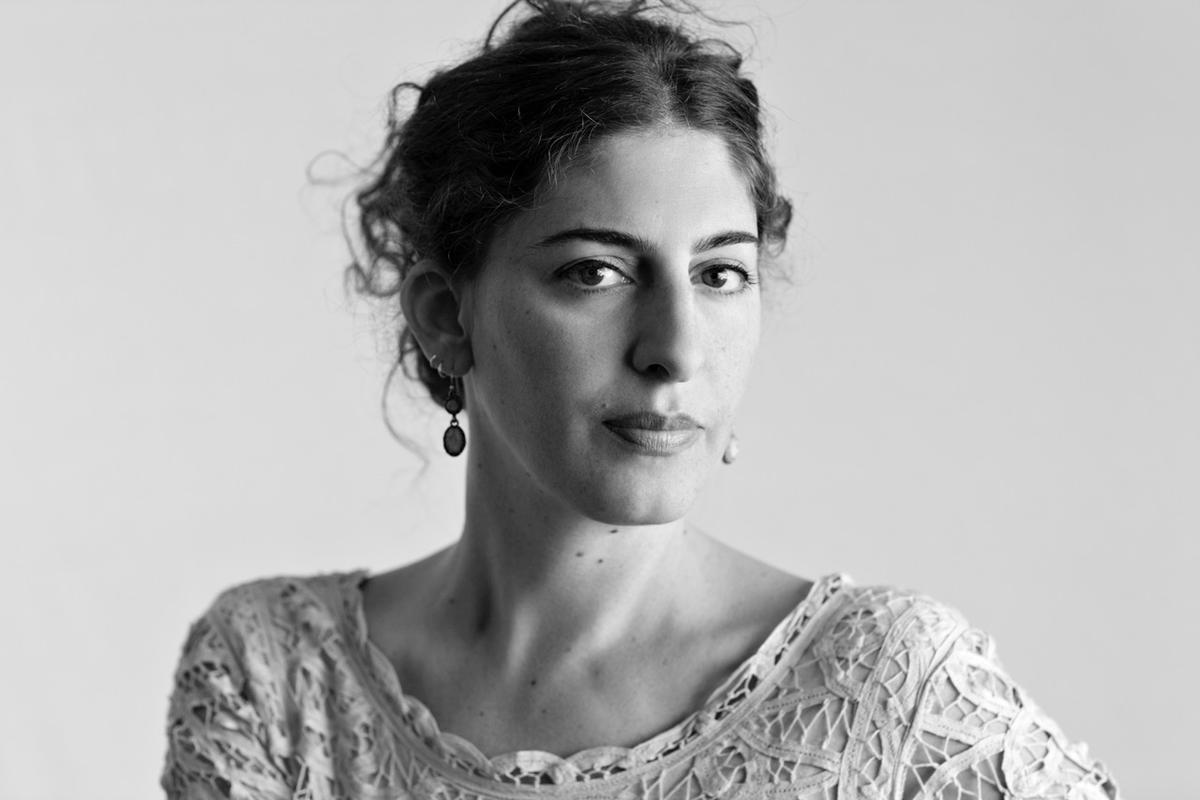
Annemarie Jacir, director of Palestine 36.
| Photo Credit:
redseafilmfest.com
Says Altawil: “Palestine 36 is about the division of a great nation, Syria, that included Palestine, Lebanon and Jordan.” Remembering is resistance.
Since its Venice triumph, The Voice of Hind Rajab has won audience awards at almost every film festival it has travelled to. “An Arabic-language docu-fiction with subtitles is a niche movie but I wanted it to be watched by the whole world,” says Ben Hania.
The Oscar journeys of the three films, no matter where they end, can only help them get more exposure. “We are just beginning the conversation and, hopefully, we can continue to make a lot of waves in the different places that we will be,” says Dabis.
The writer is a New Delhi-based film critic.