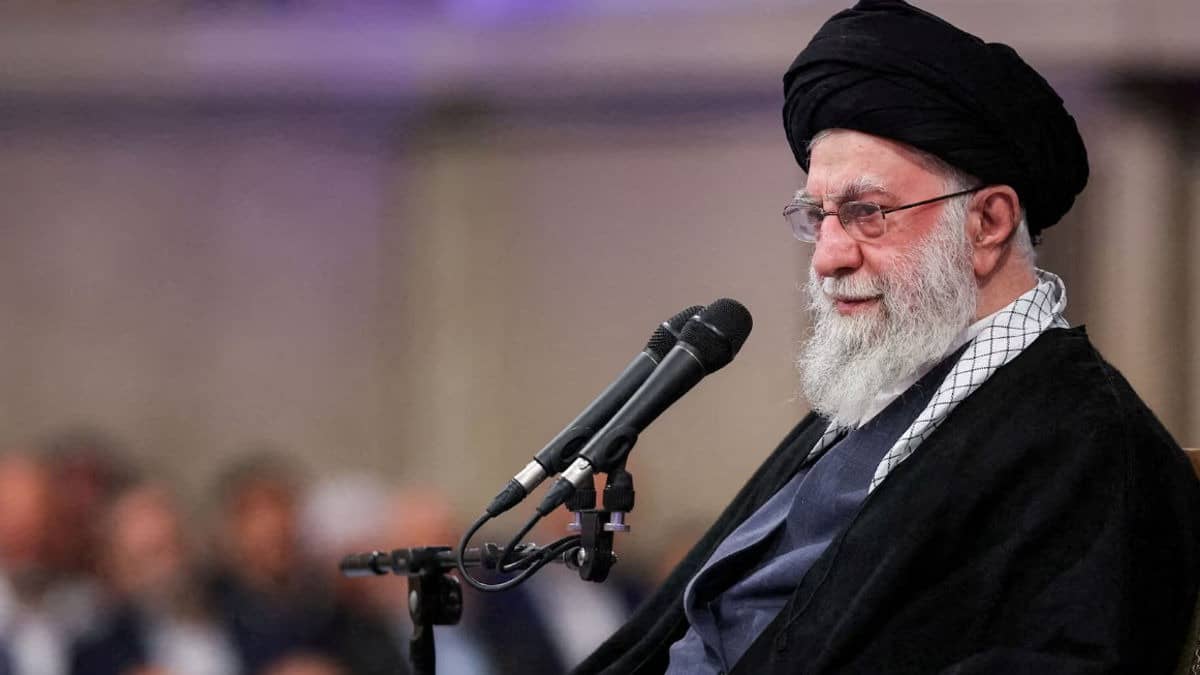
Small acts of kindness and active listening help foster a culture of empathy in families, workplaces, and communities.
| Photo Credit: Getty Images
In a world often fraught with conflict and division, the call for empathy resounds louder than ever. Empathy, the ability to understand and share the feelings of others, is not merely a soft skill but a fundamental building block of a harmonious society. As we navigate complex social, cultural, and political landscapes, nurturing empathy becomes imperative for fostering understanding, compassion, and unity.
Empathy bridges the gap between individuals, fostering connections and building bridges across diverse communities. It transcends boundaries of race, religion, and ideology, reminding us of our shared humanity. When we step into someone else’s shoes, we gain a deeper understanding of their experiences, struggles, and aspirations. This understanding lays the foundation for meaningful dialogue, cooperation, and collective action.
In an era marked by polarisation and intolerance, empathy serves as a powerful antidote. It challenges us to move beyond our own perspectives and biases, embracing the richness of diversity. By acknowledging the lived experiences of others, we cultivate a culture of respect, empathy, and inclusivity. Empathy compels us to listen attentively, speak thoughtfully, and act compassionately in the face of adversity and injustice.
Educating future generations in empathy is paramount. Schools and educational institutions play a pivotal role in instilling empathy as a core value. By integrating empathy-building practices into curricula and extracurricular activities, we equip young minds with the tools to navigate complex social dynamics with sensitivity and understanding. Through storytelling, role-playing, and community service initiatives, students learn to appreciate diverse perspectives and develop empathy as a guiding principle in their lives.
Furthermore, fostering empathy requires systemic changes at the societal level. Governments, NGOs, and grassroots organisations must prioritise initiatives that promote empathy and social cohesion. Investing in community-building programmes, conflict resolution training, and intercultural dialogue initiatives can pave the way for a more empathetic and inclusive society. By creating spaces for meaningful interaction and collaboration, we sow the seeds of empathy and solidarity across communities.
Individuals, too, have a role to play in nurturing empathy in their daily lives. Small acts of kindness, active listening, and empathetic gestures can ripple outward, fostering a culture of empathy in our families, workplaces, and communities. By cultivating empathy as a guiding principle in our interactions, we contribute to the creation of a more compassionate and interconnected world.
As we navigate the complexities of the modern world, let us heed the call for empathy. Let us strive to understand, support, and uplift one another in our shared journey as human beings. In the words of Mahatma Gandhi, “The simplest acts of kindness are by far more powerful than a thousand heads bowing in prayer.” In embracing empathy, we embrace the essence of our humanity and lay the groundwork for a more just, equitable, and harmonious society.
mishravinit446@gmail.com