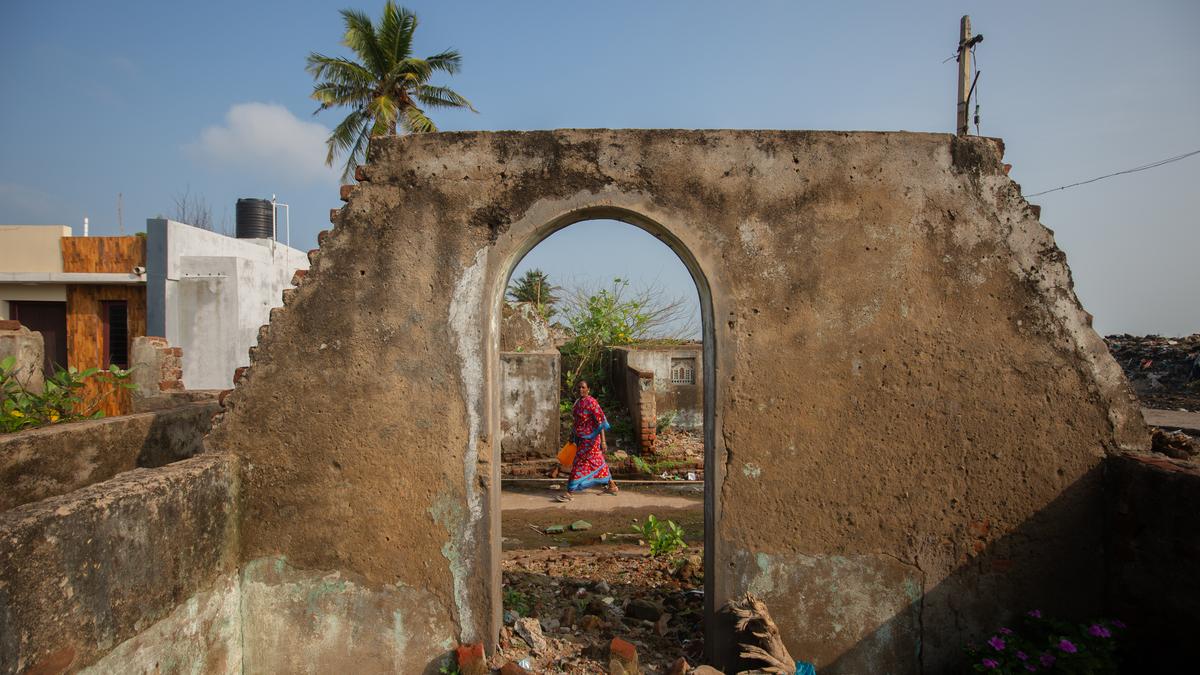
Disasters have always served as harsh reminders of nature’s overwhelming power and humanity’s vulnerability. On December 26, 2004, the Indian Ocean tsunami delivered an unparalleled wave of destruction. Among the hardest-hit areas was Nagapattinam, Tamil Nadu, yet the disaster also marked a turning point, becoming a case study in how tragedy can inspire systemic reforms and lay the groundwork for more resilient societies.
Two decades later, India has made substantial strides in disaster preparedness, response, mitigation. However, evolving risks, fuelled by urbanisation, climate change, and the growing complexity of disasters and increasing frequency of extreme weather events, require continuous innovation and vigilance. Revisiting Nagapattinam’s experience offers valuable lessons for shaping future strategies.
A watershed moment
When the tsunami struck the Indian coast, Nagapattinam’s 187.9-kilometre-long coastline, dotted with 73 habitations, bore the brunt. Early warning systems for a tsunami were non-existent in the Indian Ocean region, and infrastructure was ill-equipped to withstand such a calamity.
After overcoming the initial chaos, rescue operations were spearheaded by self-contained area-specific teams, led by experienced officers drawn from unaffected districts and supported by personnel from critical departments such as revenue, local bodies, health, police, public works, and fisheries. Further additional resources, including the Indian Army, Indian Navy, police and fire services were mobilised. Local volunteers also played a critical role.
The quick and dignified disposal of bodies was prioritised to prevent disease outbreaks, with coastal areas disinfected using microbial inoculants and chemicals. Infrastructure restoration efforts focused on re-establishing electricity, water supply, and road connectivity. Over 13,000 temporary shelters were constructed across 50 locations to house displaced families, providing essential shelter and safety. Additionally, the government issued dynamic, field-based orders that went beyond standard permissible categories to address the diverse needs of all affected sectors.
The rehabilitation and recovery efforts provided a holistic and scalable model for disaster recovery by incorporating Disaster Risk Reduction (DRR) measures applicable to various disasters. These efforts emphasised building resilient communities through the construction of over 55,000 multi-hazard-resistant homes, supported by integrated risk transfer via comprehensive insurance. Disaster-ready health-care facilities were established, and anganwadi centres, schools, and community halls were transformed into multi-hazard shelters. Livelihoods were revived and economic growth propelled by empowering coastal communities with strengthened infrastructure, including modern ports, fishing harbours, and improved agricultural practices. Alternative livelihoods were fostered by supporting women’s self-help groups and improving market access, while educational facilities were upgraded to serve as disaster-safe environments. Enhanced mobility and safety were ensured through the rebuilding of roads, bridges, and critical escape routes. Coastal defences were fortified with seawalls, shelter belt plantations, and multi-hazard shelters, complemented by collaborative DRR initiatives such as vulnerability reduction projects supported by World Bank assistance. Additionally, comprehensive psychosocial support was provided through counselling services.
In Nagapattinam, over 400 non-governmental organisations (NGOs) provided essential services such as medical aid, trauma counselling, sanitation, and livelihood restoration. By involving local communities in these efforts, they empowered individuals to take ownership of their recovery. The government maintained oversight, ensuring that resources were allocated efficiently and aligned with the district’s needs. Institutionalising such frameworks for NGO-government collaboration can serve as a force multiplier, enabling swift and effective responses to future disasters.
Disasters disproportionately affect the most vulnerable — children, women, the elderly, differently-abled individuals, and marginalised communities. For children, facilities such as Annai Sathya Home provided essential education, counselling, and emotional support to those orphaned. Women, particularly widows and single mothers, were empowered through vocational training programmes. Differently-abled individuals benefited from special medical camps and skill development initiatives aimed at fostering economic independence.
Building long-term resilience
The Nagapattinam experience underscored the critical importance of planning for long-term resilience beyond immediate recovery. Infrastructure upgrades, such as strengthened health-care facilities, schools, and transportation networks, enhanced the region’s preparedness for future disasters. Coastal defence measures, including sea walls, shelter belt plantations, and multi-hazard shelters, provided vital protection for vulnerable coastal areas. Additionally, the growing relevance of risk insurance, extending beyond crops to assets such as housing, marked a step toward comprehensive disaster risk management, though much progress remains to be made.
The 2004 tsunami exposed critical gaps in India’s disaster management framework, catalysing the enactment of the Disaster Management Act, 2005. Key institutional developments included setting up of the National Disaster Management Authority (NDMA). State and district authorities were empowered to implement disaster management plans tailored to local needs and covering all phases of the disaster management cycle. Resilience measures were embedded in urban planning, infrastructure projects, and development policies.
Since the tsunami, advancements in technology have revolutionised disaster management in India. The establishment of the Indian Tsunami Early Warning Centre (ITEWC) in 2007 ensures real-time monitoring and alerts. GIS mapping, AI-driven risk assessments, and mobile applications have enhanced preparedness. also proving their worth during recent cyclones. Moreover, post-disaster focus has shifted from mere damage assessment to Post-Disaster Needs Assessment (PDNA), ensuring more targeted recovery efforts.
Contrasting global experiences
The contrasting experiences of Haiti and Chile in disaster recovery underline the critical importance of comprehensive disaster management systems. In Haiti, the lack of insurance and an underdeveloped disaster response framework led to a prolonged recovery process following the 2010 earthquake. Conversely, Chile’s effective national and local disaster management plans, coupled with robust insurance coverage, enabled faster recovery. Japan further demonstrates the value of preemptive measures, including investments in risk reduction, enforcement of building codes, and robust early warning systems. For India, these examples underline the need for proactive investments in risk reduction, stricter building codes, and comprehensive insurance mechanisms.
Despite progress, millions in India, in coastal villages, floodplains, and urban slums remain particularly vulnerable. Empowering at-risk communities through education and guidance is essential to prepare them for potential disasters. Embedding risk reduction into development plans is crucial for creating resilient communities with shared ownership. Repetition builds readiness, and workshops, training, and consultative sessions focused on generational recall, such as those conducted post-tsunami, can ensure sustained preparedness. Leveraging local knowledge and sharing regional expertise on disaster risk reduction can enhance community-level resilience.
Ultimately, disaster management is no longer just about survival. It is about ensuring that tragedies lead to learning and transformation. By honouring the memory of those lost, we can build a future where resilience and preparedness are the cornerstones of every community.
J. Radhakrishnan, a 1992 IAS officer – Tamil Nadu cadre, played pivotal roles during the Nagapattinam tsunami, the Kumbakonam school fire, the Chennai floods, and COVID-19 pandemic. He has served as Health Secretary, the Commissioner of Chennai, and the Collector of four districts. He is posted now as Additional Chief Secretary, Cooperation, Food and Consumer Protection Department
Published – December 26, 2024 12:16 am IST