In political cross hairs
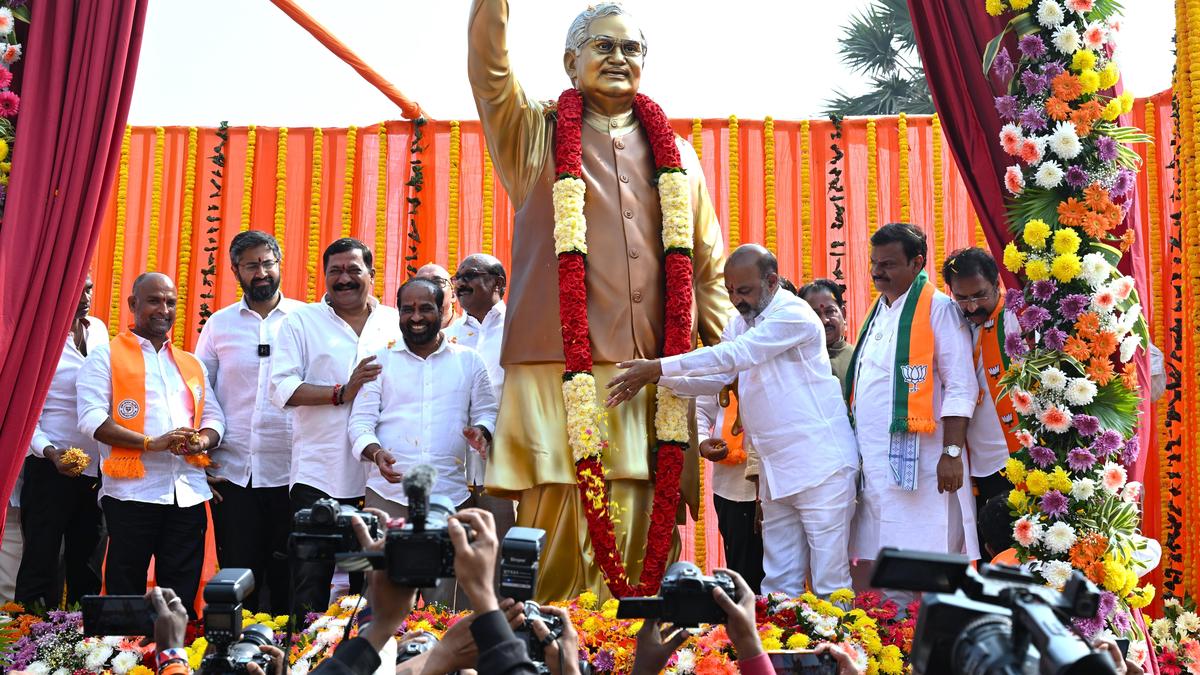
It has now become a predictable cycle in our political discourse: after a few days of silence, a spokesperson of the ruling party resurfaces with yet another indictment of Jawaharlal Nehru. The pattern is so rehearsed that it appears less like political commentary and more like a manufactured business of blame-production. This deliberate repetition ignores a simple truth: a statesman must be judged in the context of his time, not in the comfort of hindsight. Nehru’s decisions may not have been perfect, but to endlessly weaponise them is neither honest nor intellectually serious.
Nehru’s books remain intellectual landmarks, encyclopaedic in their sweep and deeply human in their moral imagination. His leadership in Parliament reflected a temperament we rarely witness today. He never suppressed dissent; he encouraged it. He allowed even the most sensitive issues, including the 1962 war, to be debated in the Lok Sabha. Contrast this with the current political climate, where even routine parliamentary functioning has been reduced to spectacle. When every political challenge is reduced to attacking a leader who passed away six decades ago, it raises a serious question: is this governance or is this an obsession?
Aditya Das,
Bhowali, Uttarakhand
A public health issue
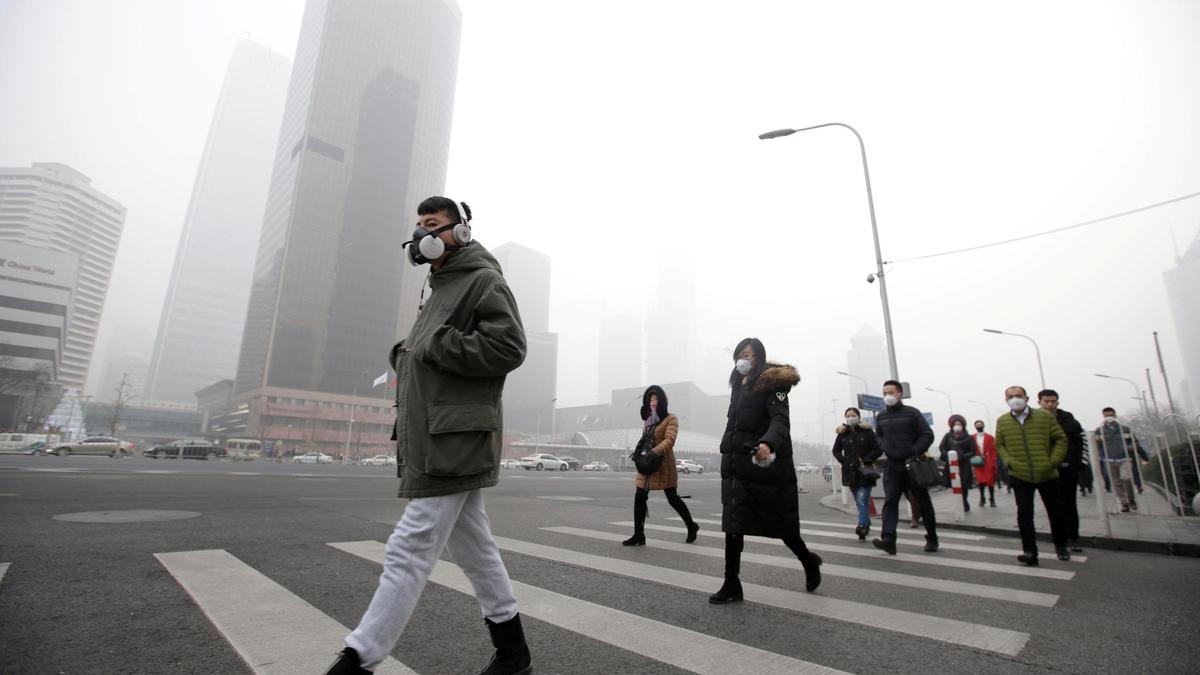
The air pollution crisis sweeping through urban India is not a new problem. Neither is the lack of appropriate and swift measures to control it. Rarely has any metropolitan city in India had a consistently ‘good’ air quality label in recent years, and not much has been done to rectify this. The prospect of the very air we breathe becoming a hazard to public health deserves immediate action, not the casual disregard it is receiving from essentially everyone concerned.
The government and authorities must come up with a foolproof plan, one that legitimately aims to solve this issue.
Tanisha Bamnodkar,
Thane, Maharashtra
Published – December 08, 2025 12:24 am IST