

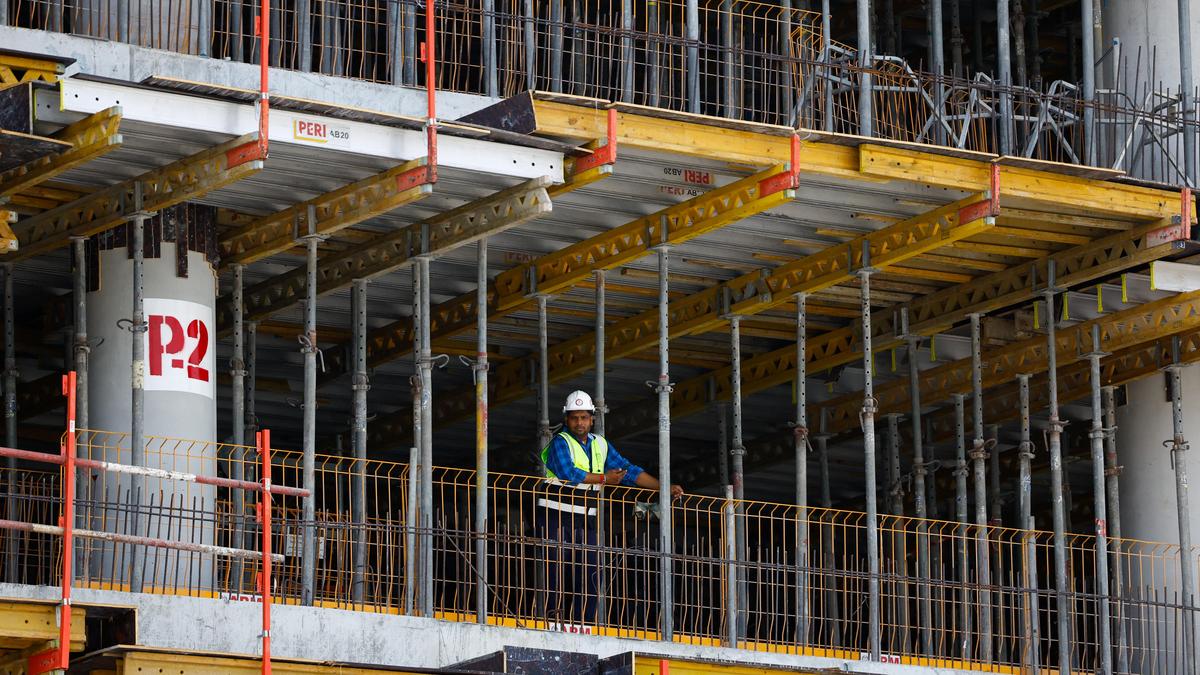
In the shadow of India’s economic ascent, millions of its citizens — predominantly from Uttar Pradesh, Bihar, and Kerala — embark on perilous journeys abroad, chasing the mirage of dignity through sweat and sacrifice.
These are India’s labour migrants: construction workers scaling Gulf skyscrapers, domestic helpers scrubbing floors in Arab mansions, factory hands assembling gadgets in Southeast Asian sweatshops. They remit billions, fuelling families back home and propping up a gross domestic product that aspires to superpower status. Yet, as the Overseas Mobility (Facilitation and Welfare) Bill, 2025, wends its way through the Indian Parliament, it stands not as a shield for these foot soldiers of globalisation, but as a conveyor belt accelerating their slide into exploitation.
This legislation, billed as a sleek upgrade to the 1983 Emigration Act, is a Trojan horse of deregulation dressed in the garb of efficiency. It promises “facilitation” but delivers fragility, prioritising bureaucratic streamlining over the blood-and-bone realities of migrant workers. If passed unamended, it will etch deeper scars into India’s global workforce.
Key issues
At its core, the Bill eviscerates enforceable rights that could anchor labour migrants against the tempests of abuse. The 2021 draft, for all its flaws, at least envisioned migrants as agents of their fate — empowering them to haul exploiters into court with their own hands. The 2025 version yanks that lifeline away, consigning workers to the whims of indifferent state machinery.
Worse still, the Bill abandons the most vulnerable flanks of the migrant army. Labour migration is a gendered battlefield, with women bearing the brunt of trafficking and sexual violence. The 2021 draft imposed heftier penalties for crimes against women and children; the new one dilutes this to a vapid nod towards “vulnerable classes,” a catch-all that invites judicial foot-dragging.
The Bill’s silence on human trafficking leaves a yawning chasm. Labour migrants are not statistics; they are sons and daughters, dispatched to high-risk corridors, where exploitation is not an aberration but architecture. By scrubbing these safeguards, the Bill does not facilitate mobility — it fertilises the soil for modern-day slavery.
Exploitation’s machinery hums on unchecked, too, as the Bill guts anti-predation tools that once kept recruitment agencies in line. Gone is the 2021 mandate for transparent fee disclosure, the very dam against the flood of debt bondage that drowns migrants before they even board the flight.
Today, a worker from rural Bihar might fork over lakhs to a shadowy agent for a “guaranteed” job in Riyadh, only to arrive facing a substituted contract at half the pay — if he arrives at all.
The Bill’s “accreditation” system for agencies invites a carnival of crooks. Emigration Check Posts vanish in favour of digital nods — convenient for Delhi’s desks, catastrophic for the worker signing away his life in a back-alley deal.
Once abroad, the betrayal deepens. The 2021 vision held agencies responsible for reception, dispute mediation, and document renewals. Now, these duties dissolve into “functions” for government bodies, overburdened and under-resourced.
The Integrated Information System, touted as tech-savvy salvation, morphs instead into a surveillance spectre, hoovering migrant data without consent. Who benefits? Not the worker phoning home in desperation, but the state logging his every move — while foreign bosses, spared direct penalties, laugh from afar. Illicit online recruitment, the digital Wild West where fake jobs lure the desperate via WhatsApp scams, goes unmentioned.
Reintegration, that fragile bridge home, fares no better. The Bill murmurs of “safe return” but skimps on funds for vocational training or trauma counselling, cynically excluding deportees within 182 days as non-“returnees.”
This centralised colossus compounds the cruelty, erecting a Delhi-dominated edifice that sidelines the federal mosaic where migration pulses. States such as Kerala, with its migrant-sending savvy, or Uttar Pradesh, cradle of the exodus, get no seat at the Overseas Mobility Council’s table, nor do trade unions or rights groups.
State Nodal Committees, grassroots sentinels in the 2021 draft, evaporate under centrally anointed officers. Crises brew locally — family pleas in Lucknow, hospital vigils in Thrissur — yet solutions gestate in air-conditioned isolation. Penalties, meanwhile, limp: recruitment rackets fined, but traffickers and overseas tyrants are untouched.
Time to act
India’s labour migrants are not expendable exports; they are the sinew of a nation that preens on their remittances while pocketing their perils. The 2025 Bill will turbocharge this inequity. Parliament must intervene, reinstate self-advocacy rights, mandate fee transparency and post-arrival safeguards, federalise governance with civil society’s roar, and arm penalties with compensation claws. Define trafficking, broaden “work” to embrace gig frontiers, and fund reintegration that rebuilds lives. The hour demands not facilitation, but fortification. For these workers, whose hands build empires abroad and homes within, anything short is not reform — it is rupture.
Rejimon Kuttappan is a labour migration expert
Published – December 18, 2025 12:23 am IST

