Puffer jackets earn their place slowly. They get worn on cold mornings, folded over chairs, pushed into bags, and pulled out again without much thought. Over time, marks appear around cuffs and collars. The fabric dulls a little. Washing feels risky. Many people put it off, worried the jacket will lose its shape or warmth. The truth is that puffers can be cleaned at home if treated with a bit of care. The padding inside needs space and patience more than force. Whether you choose to wash by hand or use a machine, the aim is the same. Clean the outer layer, protect the filling, and let the jacket recover properly. It is less about speed and more about doing just enough.
What is the safest way to clean a puffer jacket
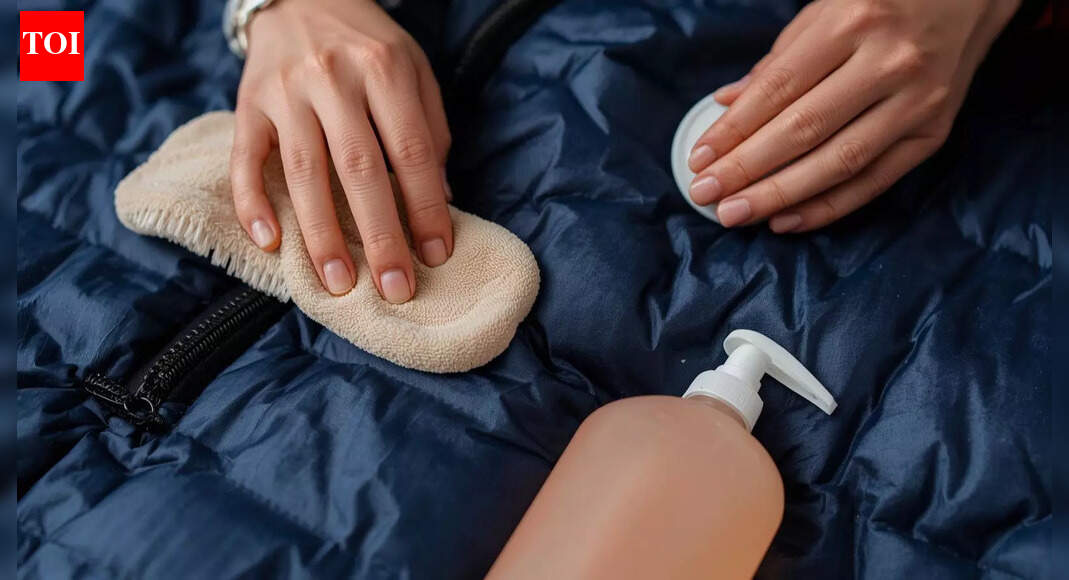
Many puffers only need spot cleaning. Small stains often sit on the surface rather than sinking deep into the insulation. A mild liquid detergent works well. Apply a drop or two to the mark and gently rub it in with your fingers. Leave it for around fifteen minutes. Rinse with cold water and let the area air dry. This is often enough for fresh marks. For tougher stains, a paste made from oxygen bleach powder and water can help. Spread it on, wait briefly, then wash as usual.
When is handwashing the better choice
Hand washing suits delicate jackets or those worn lightly. It gives more control and less movement, which helps prevent clumping. Fill a sink or large container with cold water. Add a small amount of mild detergent. Place the jacket in and gently move it around. Let it soak for fifteen to thirty minutes. When finished, lift the jacket out and press gently to remove excess water. Do not twist or wring it. Hang it somewhere with good airflow and let it dry slowly.
Can you safely machine wash a puffer jacket
Most modern puffers can be machine-washed, but preparation matters. Before washing, zip up the jacket and any pockets. Loose zips can snag the fabric. Use a cold wash on a delicate cycle with a gentle detergent. Avoid fabric softener, as it can coat the fibres and affect insulation. Wash the jacket on its own if possible. Crowded machines do not give padding enough room to move.
What is the best way to dry a puffer jacket
Drying is where most damage happens. Some jackets can go in the dryer on low heat, but always check the care label first. If machine drying is allowed, add dryer balls or clean tennis balls. They help break up clumps and restore loft. Drying may take more than one cycle. Check between cycles and shake the jacket gently. If air drying, hang the jacket and give it a shake now and then. This helps the filling settle evenly as it dries.
How do you stop the filling from clumping
Clumping happens when insulation stays wet for too long. Proper drying prevents most issues. Patience helps. Do not rush the process or store the jacket before it is fully dry. Even slight dampness can lead to odour or flattened sections later. A gentle shake every so often makes a difference.
How often should a puffer jacket be washed
Less is more. Puffers do not need frequent washing. Spot clean when possible and wash fully only when dirt builds up or the jacket loses freshness. Between washes, airing it out after wear helps. Hang it in an open space and let moisture escape naturally. A clean puffer should still feel light. If it does, you have done enough.