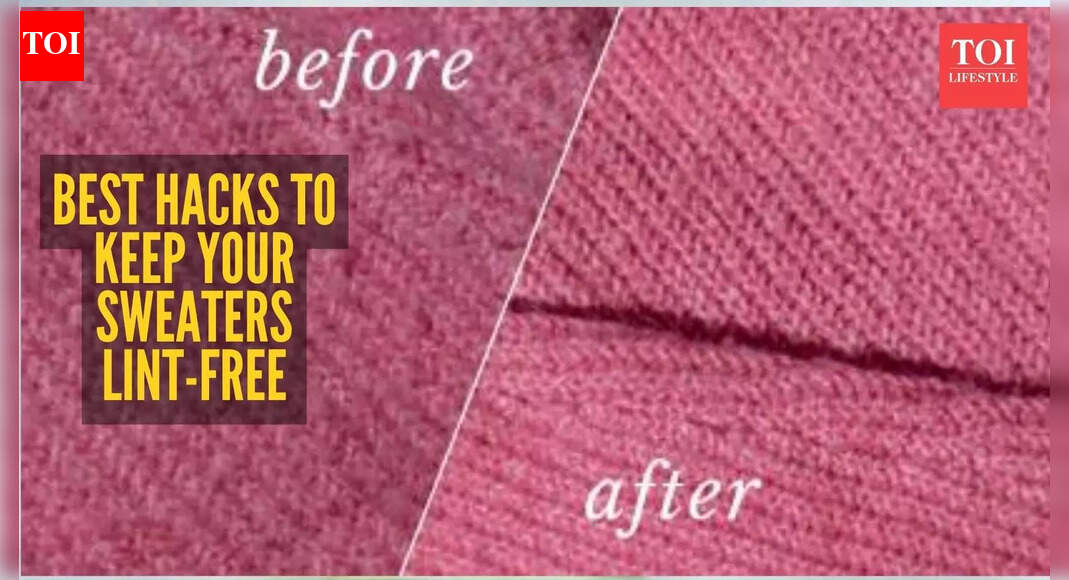
There’s something comforting about pulling out your favourite winter sweater. Maybe it’s that soft woollen pullover your mum bought years ago, or the trendy knit you picked up during a sale. Either way, nothing kills the vibe faster than lint. Tiny fuzz balls, loose fibres, and random hair sticking to your sweater can make even an expensive piece look tired and neglected.And let’s be honest, Indian winters are short, but sweater damage happens fast.Between machine washing, rough storage, dust, and even the way we sit or carry bags, lint and pilling feel almost unavoidable. But the good news is, with a little care (and zero fancy equipment), you can keep your sweaters looking fresh for years.
First things first: Why do sweaters get linty?
Lint and pilling happen when loose fibres rub against each other. This friction causes tiny balls to form on the surface, especially in areas like under the arms, sides, elbows, and wherever your bag strap rests.In India, this gets worse because:We often wash winterwear too aggressively

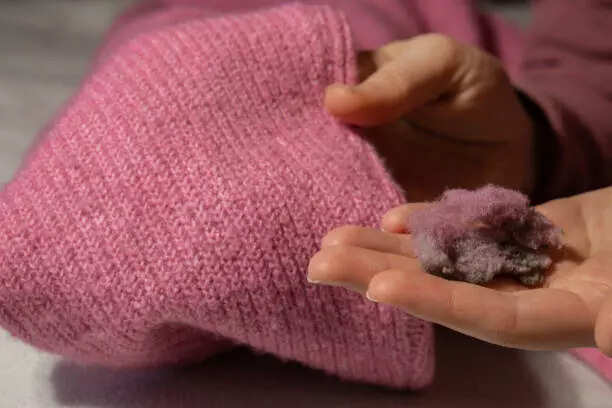
Dust levels are highSweaters are worn over cotton kurtas or shirts that shed fibresStorage is usually rushed because winter doesn’t last longUnderstanding this helps because preventing lint is always easier than fixing it later.
Wash less, wash smarter
One big mistake we all make? Washing sweaters too often.Unlike summer clothes, sweaters don’t need frequent washing unless they’re visibly dirty or sweaty. Airing them out after wearing works just fine.When you do wash:Always turn the sweater inside outUse cold waterChoose a gentle or wool cycle on the washing machineUse mild detergent, not regular strong liquid washIf you’re hand-washing (which honestly is best), don’t scrub or wring the sweater. Just soak, gently squeeze, and rinse. Treat it like something fragile, because it is.
Never hang your sweaters (Yes, never)
Hanging sweaters stretches them and increases fibre stress, which leads to more lint and pilling.Instead:Fold them neatlyStack heavier knits at the bottomStore in cotton bags or pillow covers (not plastic)In Indian homes, where cupboards are often shared with summer clothes, dust is a real issue. A simple cotton cover keeps both dust and fuzz away.
Invest in a lint remover (It’s worth it)
If there’s one tool every Indian wardrobe needs, it’s a lint remover.You don’t need anything fancy. A basic lint roller or fabric shaver does the job well. Use it gently, especially on softer knits.No lint remover at home? Try these quick fixes:
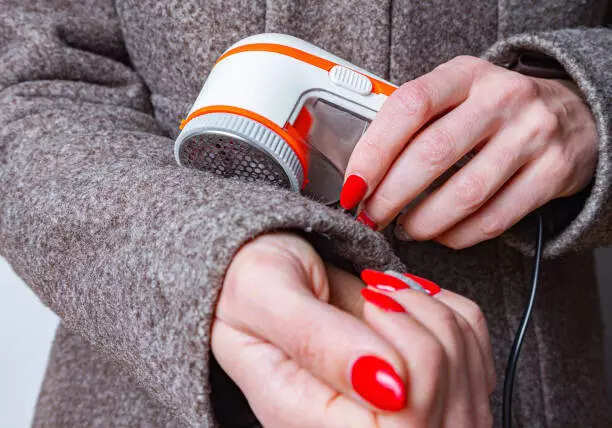
A clean razor (used lightly, very carefully)Sticky tape wrapped around your handA slightly damp sponge for surface lintJust avoid going over the same area repeatedly that weakens the fabric.
Be careful with what you wear underneath
This is underrated advice.Wearing rough cotton, cheap synthetics, or fabrics that shed under your sweater increases lint transfer. Smooth cotton, modal, or well-finished fabrics work better.Also, avoid wearing the same sweater with the same bag every day. Backpack straps and sling bags rub constantly against one spot, leading to faster pilling. Rotate your sweaters, even during a short winter season.
Drying matters more than you think
Never tumble-dry sweaters. The heat and friction are a disaster for knitwear.After washing:Lay the sweater flat on a towelGently reshape itLet it air-dry naturallyIn Indian homes, drying indoors near a fan (not direct sunlight) works best. Sun can make fibres brittle, especially wool blends.
Give your sweaters a break
Wearing the same sweater back-to-back doesn’t give fibres time to recover. Rotating between two or three sweaters reduces wear and tear dramatically.Think of it like skincare, recovery time matters.
Storage after winter is over
When winter ends, don’t just shove sweaters into a corner.Wash them before storing – sweat and body oils attract insects.Dry completely.Fold neatly and store with:Neem leavesLavender sachetsCedar blocksAvoid naphthalene balls directly touching fabric, they can damage fibres and leave a strong smell.Lint doesn’t mean your sweater is old or bad quality. It just means it needs a little more care. In India, where winterwear is often worn for just a few months each year, taking small steps can make your sweaters last for many winters to come.Because a clean, lint-free sweater doesn’t just look better – it feels better. And honestly, that’s half the joy of winter dressing.