

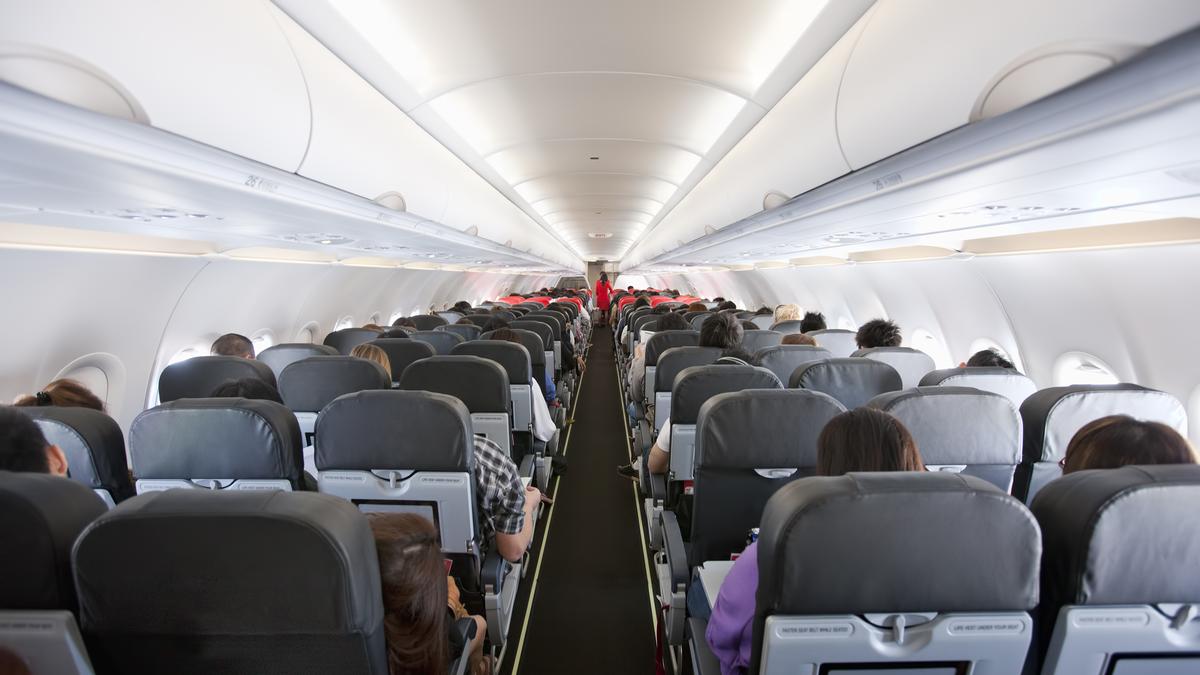
Representative image
| Photo Credit: Getty Images/iStockphoto
The airline industry has slammed the decision to raise goods and services tax on premium air travel, including premium economy and business class flight tickets, from 12% to 18% as “disappointing”.
The revised taxes will come into effect from September 22 and apply both for domestic and international flights offered by Indian and foreign carriers.
“Aviation has tremendous potential to contribute to India’s economic growth, both directly as Indian airlines grow, and indirectly through increased connectivity for travellers and businesses alike. It is therefore disappointing to hear of a decision to increase the GST on non-economy travel with no clear justification,” said International Air Transport Association’s regional vice-president, Asia Pacific, Sheldon Hee.
Over the years, this component of tax had more than doubled, growing from the 8.6% rate in 2017 under the service tax regime to 18%, he added.
“This increase runs counter to the efforts of Indian carriers, which have been investing in their premium products to enhance the travel experience on their flights,” Mr. Hee said, adding that India must consider the risks of such policies on dampening demand and undermining profitability.
“Asia Pacific airlines are forecast to only earn $2.60 per passenger in 2025. Taxing premium travelers, where these customers often make a difference to a route’s viability, is counterproductive,” the statement further underlined.
Apart from first-, business- and premium economy-class travel offered by various foreign carriers, among Indian airlines, Air India also offers business and premium economy travel on domestic and international flights. IndiGo too has introduced business-class seats on flights to Mumbai and Bengaluru from New Delhi as well as to Singapore, Bangkok and Dubai, which will grow to 12 total routes by the end of 2025.
Published – September 04, 2025 05:09 pm IST

