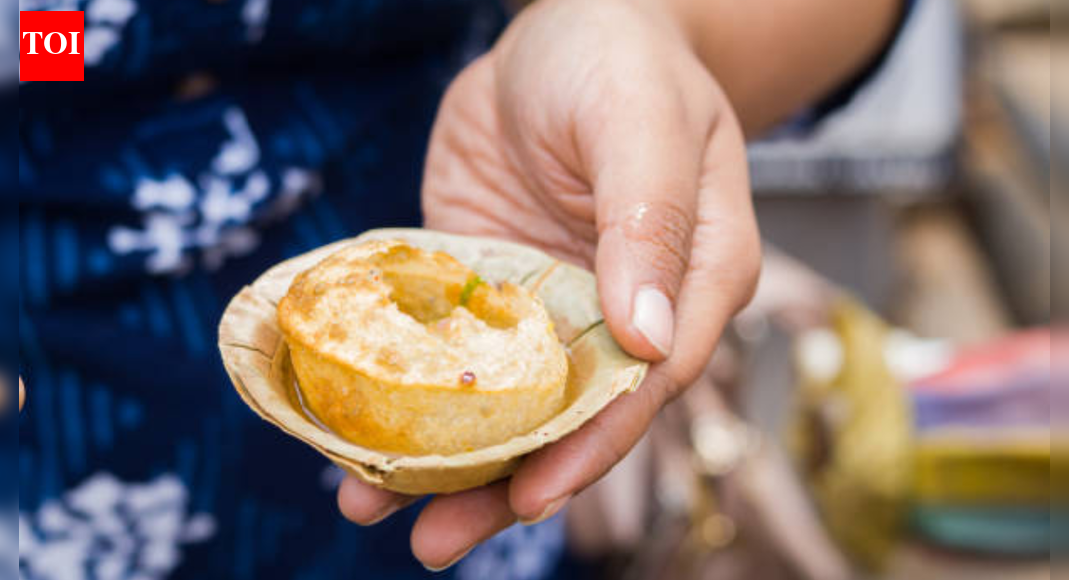
Everyone’s first thought when they heard about the jaw-dislocation incident at a roadside golgappa stall? “How does popping a crisp pani-puri end with a visit to the ER?” But apparently, it happened, and it’s a spicy reminder that even our favourite snacks can have unexpected consequences.A casual street-food snack turned into a horror story this week in Auraiya, Uttar Pradesh, when a woman biting into a large golgappa had her jaw dislocate mid-bite. Her mouth got locked wide open, leaving her in excruciating pain. The terrified family rushed her to a local clinic, but doctors couldn’t reset the jaw and she had to be referred to a bigger hospital. The dramatic moment was recorded on video and spread across the internet, sparking shock among pani-puri lovers nationwide. Picture this: It’s a bustling evening; the golgappas are piled high, the chutneys spicy, and the crunch inviting. One enthusiastic foodie decides to take a mammoth bite. As the mouth opens wider than usual, something goes suddenly, a snap followed by pain. The lower jawbone slips out of its joint, the mouth locks open, and what started as a delightful snack time turns into a jaw-dropping emergency.We at TOI spoke to Dr. Ankit Parasher, Consultant – ENT, Yatharth Super Speciality Hospital Faridabad and Dr. Alok Thakar, Director- Head & Neck Cancer Thyroid & Parathyroid Surgery , Medanta Hospital Noida about this mishap. For most of us, that one big bite won’t be a problem at all. But the incident serves as a serious reminder: even our street-food favourites deserve a bite taken with a little caution.

1. Can you explain what exactly happens during a jaw dislocation?
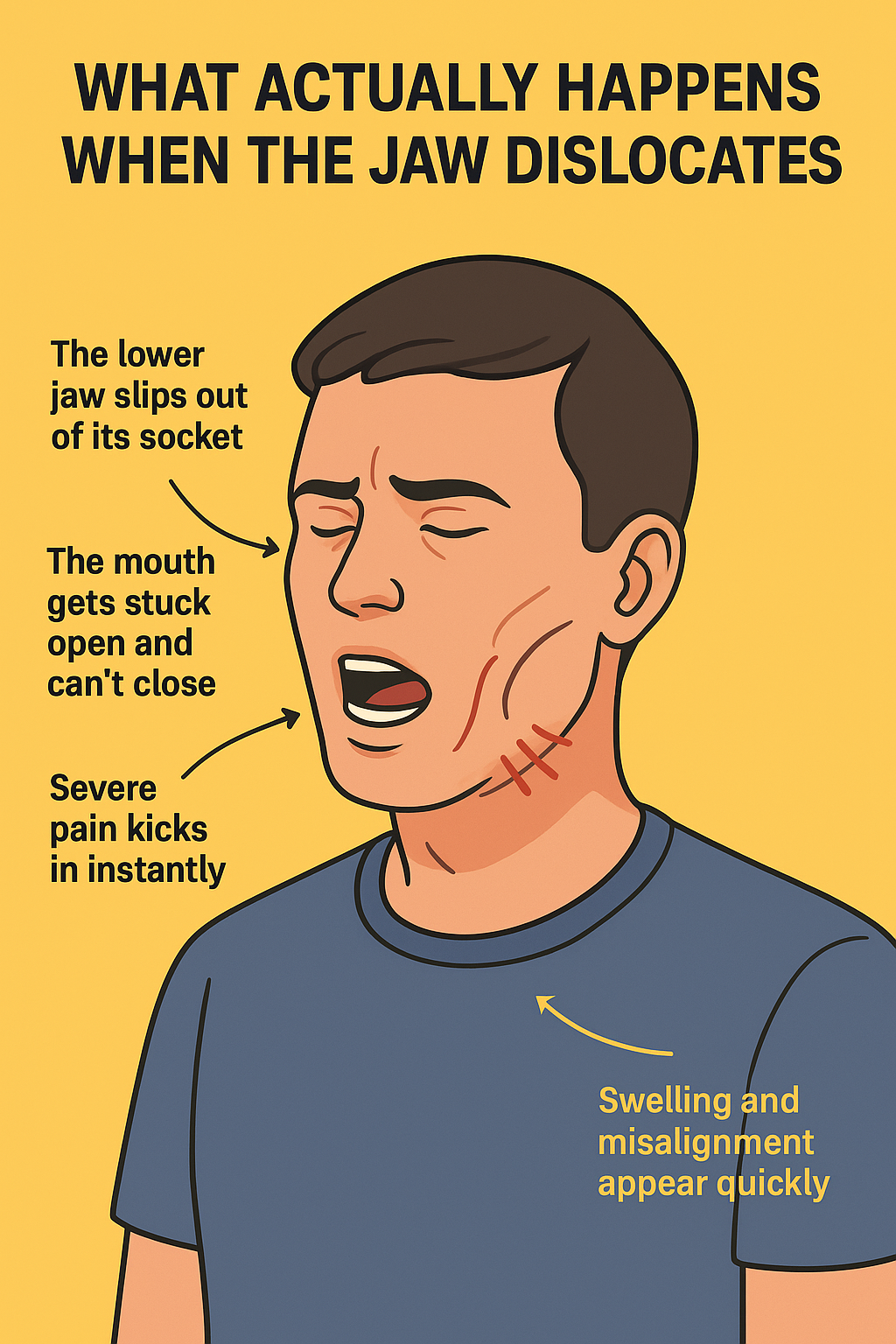
Dr. Alok Thakar explains that when the rounded end of the jawbone moves too far forward and gets stuck outside the joint, the jaw can still move up and down, but it loses the ability to slide back into place. That’s why people who experience this can’t close their mouth properly. The teeth no longer align, the facial muscles spasm, and every attempt to move the jaw becomes painful and tight.Dr. Ankit Parasher adds that this slipping can even happen during something as ordinary as eating, laughing hard, or opening the mouth too wide while yawning. In such moments, the ligaments and cushioning disc in the TMJ stretch more than they’re meant to, and the joint loses stability. The person is then left with intense pain, a jaw that may appear stuck open, difficulty speaking, and a frightening sense of being unable to move the mouth normally.
2. How can something as simple as eating golgappe or large foods cause the jaw to dislocate?
Sounds wild, but doctors say it’s more common than people think, especially when someone opens their mouth way wider than usual.Dr. Alok Thakar explains that most of us rarely need to stretch our mouth to its full limit. But foods like giant burgers, thick wraps, and yes, those beloved golgappas, practically challenge you to take big bites. And when someone has naturally loose ligaments around the jaw or a shallow TMJ socket, that extreme stretch can push the jawbone forward and out of its joint. The result? The jaw pops out, gets stuck, and refuses to close. Cue instant panic, pain, and a rush to the emergency room.It’s not just food, either. The same thing can happen when you yawn too widely, laugh uncontrollably while eating, or even during long dental procedures where the mouth stays open for a long time.Dr. Ankit Parasher adds that when you bite into something wide, like a stuffed golgappa, the movement can overstretch the joints and the cartilage disc inside the TMJ. If that disc slips or the jawbone moves too far forward, it can lock up. People with weaker ligaments or naturally looser joints are even more at risk, for them, even a big yawn can trigger a dislocation.
3. Are certain people more at risk for jaw dislocation?
According to experts, some people are simply more vulnerable because of the way their joints and tissues are built.Dr. Ankit Parasher explains that individuals with naturally loose or flexible ligaments are at a higher risk, their joints don’t hold the jawbone as tightly as they should. People with conditions like Ehlers-Danlos Syndrome (EDS), a connective tissue disorder, fall into this category. Anyone who already suffers from TMJ dysfunction, arthritis, or has had previous jaw injuries or trauma also has a greater chance of their jaw slipping out of place. Grinding or clenching the teeth, which many people do without even realizing (especially during stress), weakens the joint further. Over time, repeated strain or repeated dislocation makes the jaw more unstable, which means it can pop out even during normal activities like yawning.Dr. Alok Thakar adds that there’s even a genetic angle, for some people, this tendency runs in the family. If someone has joints that are naturally extra flexible or a shallow joint socket, the jaw can slide out much more easily. People with connective tissue disorders or a history of TMJ issues are particularly prone. And once someone has had a dislocation even once, it unfortunately becomes much more likely to happen again in the future.In short, if you’ve ever struggled with jaw clicking, locking, grinding, or have super flexible joints,you might want to be careful with giant bites, intense jaw stretches, or long periods of keeping your mouth open.
4. What should a person do right away if their jaw gets locked open or they cannot close their mouth?
First things first, don’t panic, and definitely don’t try to push it back yourself. Both doctors stress that a jaw dislocation is a medical emergency, and forcing it back into position can make things much worse.Dr. Ankit Parasher explains that the right move is to head straight to the nearest emergency room. A trained doctor will gently guide the jawbone back into its socket using controlled pressure, something that absolutely should not be attempted at home. While waiting for medical help, the person can apply a warm compress and keep their head supported in a comfortable position to ease pain and muscle spasms.Dr. Alok Thakar adds that the most important thing is to keep the mouth open and stable without pushing or pulling at the jaw. Supporting the jaw with both hands can prevent further strain until help arrives. Doctors typically use a simple and safe technique to pop the jaw back into place, often after giving pain relief or light sedation to help relax the muscles.Never DIY a jaw reset, no matter how tempting it may feel. Call for help, stay still, support the jaw, and let the professionals do their job.
5. What message would you like to give to people seeing this viral video and worrying about eating golgappe?
Before you swear off golgappas forever, take a breath. Both experts agree that jaw dislocation while eating golgappas is extremely rare. For most people, it’s perfectly safe to enjoy them without worrying about ending up in the emergency room.Dr. Ankit Parasher points out that only a small group needs to be extra cautious, people who already have TMJ problems, very loose ligaments, or a history of previous jaw dislocations. For them, taking a big, wide bite could put extra strain on the joint. But for everyone else? There’s really nothing to worry about.Dr. Alok Thakar adds that as long as you don’t force your mouth open too wide and you take normal, comfortable bites, foods like golgappas, burgers, or wraps are absolutely safe. Trouble happens only when someone pushes their jaw beyond its natural limit, especially if they already have a weak or unstable joint.So the takeaway is simple: enjoy your golgappas, just don’t try to compete with their diameter. Bite smart, chew comfortably, and you’re good to go.