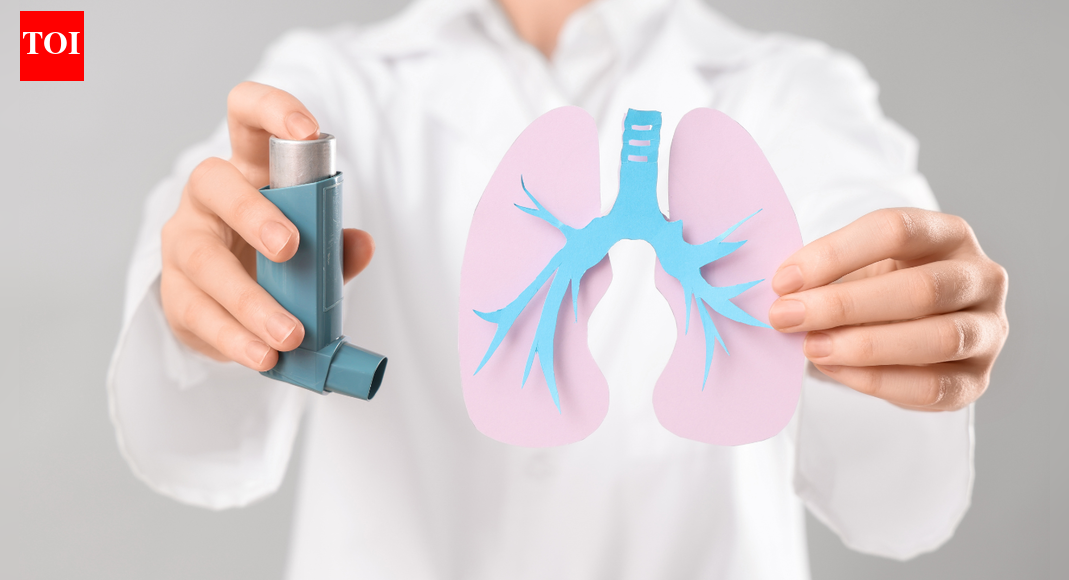
Fever-and chills rarely hit with asthma but commonly tag along in acute bronchitis. Triggers like allergens (may include dust) or exercise spark asthma, but viruses, smoke, or pollution set off bronchitis more often.
Treatment Directions and When to Intervene Asthma is managed by inhalers that provide quick relief and long-term control. Avoid triggers, use steroids for inflammation.Bronchitis is eased by rest, fluids, and humidifiers; rarely does it require antibiotics for bacterial cases. Seek medical attention should there be difficulty breathing, a bluish discoloration of the lips—or fever above 100.4°F. Extra caution should be taken by asthmatic bronchitis patients to prevent attacks. Early steps will prevent complications like pneumonia. Both prevention tips says to quit smoking—avoid chronic bronchitis. Flu shots reduce the chances of infection. Peak flow checks and trigger logs are included in asthma plans. If you’re in a cough season, make sure the air is clean, wash your hands, and keep your body hydrated. Most regain complete health in due course with attention. Chronic problems need specialist input and specialized plans. It all starts with smart detection for easy breathing.