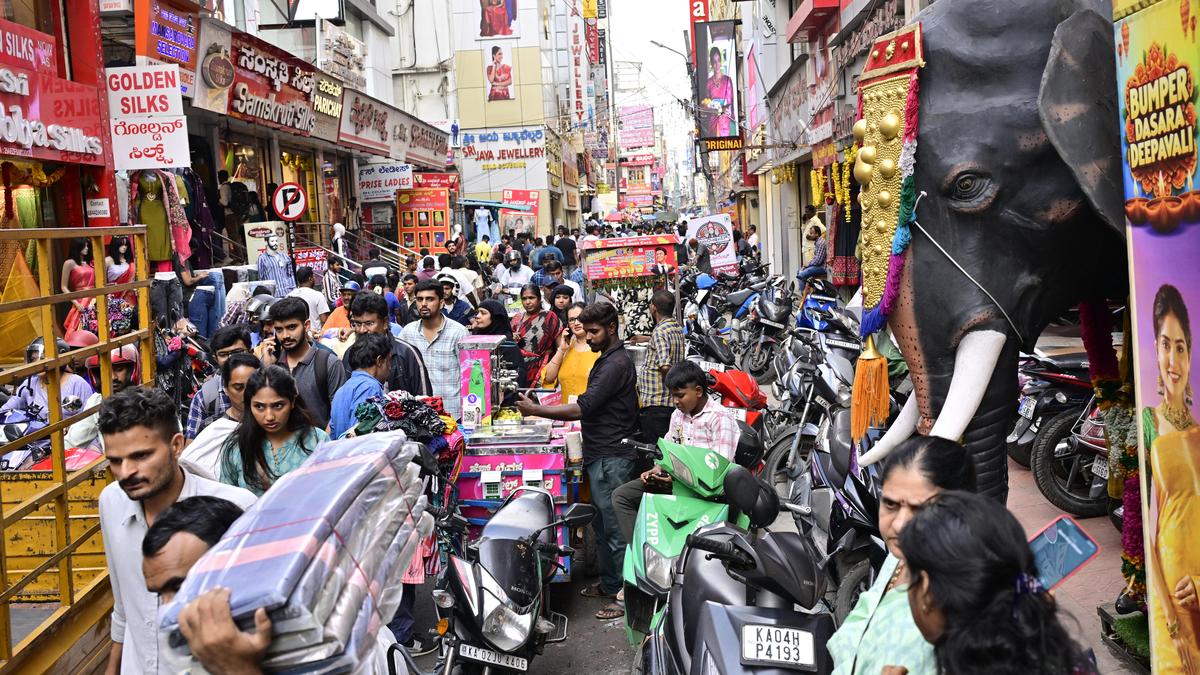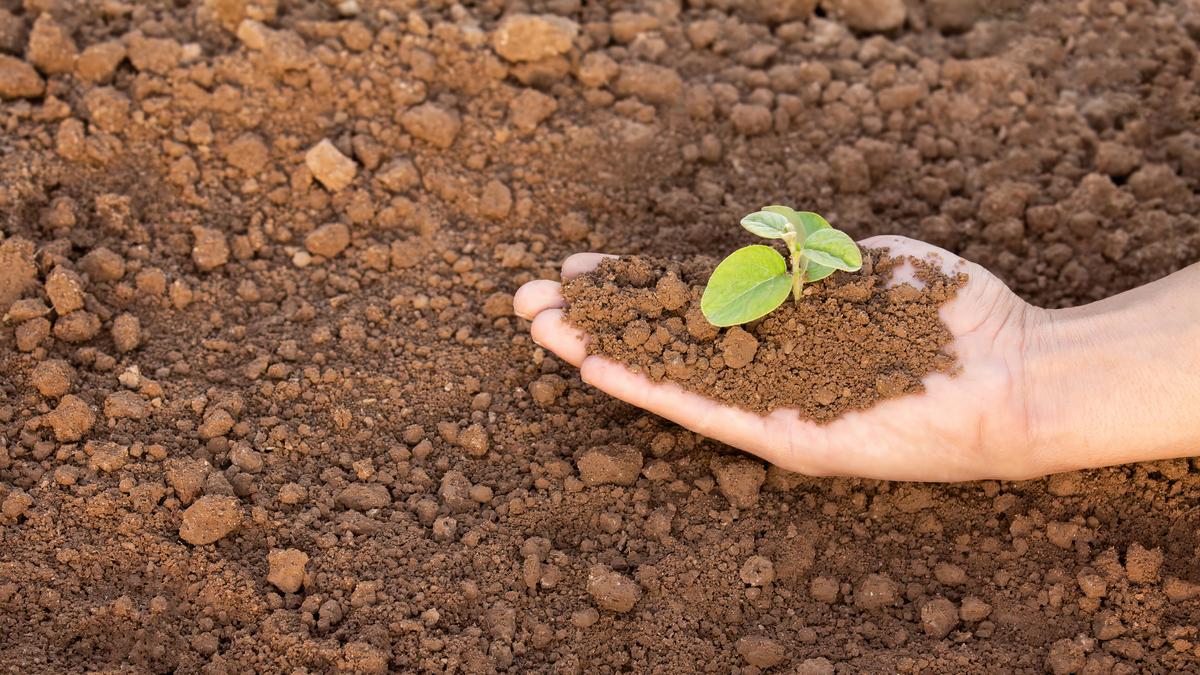
Every year on December 5, the world pauses to acknowledge one of the most overlooked foundations of human civilisation: soil. World Soil Day, established by the Food and Agriculture Organization (FAO) of the United Nations, is more than an environmental observance. It is a reminder of the silent and living resource that sustains life. For 2025, the theme, “Healthy Soils for Healthy Cities”, shifts the focus from the rural farmland to the concrete jungle, highlighting a critical truth — the ground beneath our cities is not mere dirt, but a dynamic ally in building a resilient urban future.
With over 56% of the global population now living in cities, urban environments are confronting unprecedented challenges, from food insecurity and pollution to devastating flooding and extreme heat. At the heart of the solution to these issues lies an often-forgotten ally: urban soil.
An unsung hero
When we think of soil, we picture farms. But our urban soils are silent, unsung heroes. They are living filters, natural sponges and carbon sinks that exist right beneath our parks, street trees and community gardens. Their health is directly linked to the resilience and well-being of our urban populations. A teaspoon of healthy soil contains more organisms than there are people on earth, and this vibrant ecosystem performs extraordinary services. These include: first, combating climate change and extreme heat — urban areas often become “heat islands”, several degrees warmer than their surroundings. Healthy soils, especially when covered with vegetation, absorb heat, sequester atmospheric carbon, and act as natural air conditioners in parks, community gardens, and green medians.
Second, preventing floods and managing water — as climate change intensifies rainfall, cities paved with concrete surfacing face frequent flooding. Healthy soil is a city’s first line of defence, acting like a sponge to absorb rainfall, filter it, and replenish groundwater supplies, unlike impermeable surfaces.
Third, supporting urban food systems and biodiversity — the rise of urban agriculture, from rooftop farms to backyard plots, relies entirely on fertile soil, shortening food chains and enhancing local resilience. These soil-based habitats also support a web of life, from earthworms and microbes to pollinators, which are essential for decomposition and plant growth.
Fourth, enhancing mental and physical well-being — contact with nature, or “Vitamin N,” in urban green spaces has been proven to reduce stress, anxiety, and depression. Gardening and time spent in green, soil-rich environments encourage physical activity and improve mental health. Despite its immense value, urban soil is among the most degraded natural resources. The FAO notes that nearly a third of the world’s soils are degraded, a problem magnified in cities. Urban soils face contamination from industrial waste, severe compaction from construction, loss of organic matter, and “sealing” by concrete and asphalt, which suffocates soil life. These pressures weaken plant growth, threaten food safety, and cripple the very ecosystems that make cities livable, making the theme of 2025 an urgent call to action.
A blueprint for action
The “Healthy Soils for Healthy Cities” campaign is a blueprint for transforming our urban landscapes. It calls on municipal governments, planners, community groups, and every resident to become stewards of the ground beneath them. Key actions include first, urban soil restoration and protection. Cities must prioritise rehabilitating degraded land through compost addition, soil testing and organic amendments. Limiting further soil sealing from new construction is equally critical to protect this non-renewable resource.
Second, promoting green infrastructure. We must replace concrete with soil-based solutions wherever possible. Soils under parks, rain gardens, and tree belts are not just aesthetic; they are vital infrastructure that reduces flooding and heat stress.
Third, championing urban agriculture. Community and backyard gardens are powerful tools for improving soil health while providing fresh food, recreation and social bonding. The theme encourages everyone to plant, even in containers on a balcony.
Fourth, embracing responsible soil management. This involves adopting eco-friendly practices such as reducing chemical fertilizers, minimising pesticide use, planting native species, and protecting topsoil with mulching.
Fifth, boosting soil literacy and composting. Schools are encouraged to host hands-on soil tests and workshops. Meanwhile, every household can contribute to this by composting kitchen waste, and turning organic residues into nutrient-rich food for urban soil.
The basis of healthy cities
On December 5 this year, the message is clear. The foundation of a resilient city is not just steel and concrete. It is living, breathing soil. By caring for the ground beneath our feet, we directly safeguard our cities, our health, and our shared future. Healthy cities depend on healthy soils, and healthy soils depend on informed, engaged communities.
A.N. Ganeshamurthy is Emeritus Scientist, Indian Institute of Horticultural Research (IIHR), Bengaluru, Former Dean, College of Agriculture, Central Agricultural University, Imphal, Manipur, and former Head, Department of Soil Science, ICAR-IIHR, Bengaluru
Published – December 05, 2025 12:08 am IST