


Sometimes long held beliefs are tested when science weighs in. Whether these are theories or claims, emerging studies and research are consistently separating the facts from myths. When it came to health myths this year, scientific evidence has put a stop to some of them. This transparency has given individuals a better understanding of their health and fitness needs. Let’s take a look at some of the biggest health myths we finally stopped believing in 2025.
Myth 1- “10,000 steps is a magic number”

The hype of the “10k step target” was busted with many scientific studies this year. For example, a Harvard study stated that meaningful health benefits begin well below 10,000 steps, and for some people, meeting the 10k target step can even become risky.
Myth 2- “Women need the same amount of sleep as men”

For a long time, it was believed that the ideal sleep duration was somewhere between 7 hours to 9 hours, and the widely accepted duration was 8 hours, irrespective of the genders. However, as studies have highlighted that women need more sleep in comparison to men. “Women typically have more issues affecting their sleep, so they may need slightly more of it to make up for disrupted sleep or poor-quality sleep” says sleep disorders specialist Michelle Drerup to Cleveland Clinic.
Myth 3- “Mental health is just ‘lack of willpower’”

A harsh reality was that people treated mental health as an individual problem and something unrelated to the chemical reactions in the body. As UNICEF notes, “Mental illness, like physical illness, can affect anyone regardless of intelligence, social class, or income level. A mental health condition has nothing to do with being weak or lacking willpower. It is not a condition people choose to have or not have. In fact, recognizing the need to accept help for a mental health condition requires great strength and courage. Anyone can develop a mental health condition.”
Myth 4- “Diet can’t do what supplements can”

With health fads and “quick fixes” all over, people started to believe that supplements are superior and diet alone cannot give the same results. But now, this claim has shifted as people have moved more towards believing in a natural and holistic approach. A study in Current Nutrition Reports shows that nutrients from natural foods are better absorbed and used by the body. Also, excess supplementation comes with a number of health risks, provided that without proper knowledge, overdosage of supplements is something that can be done easily.
Myth 5- “Cholesterol is the only marker that matters for heart health”
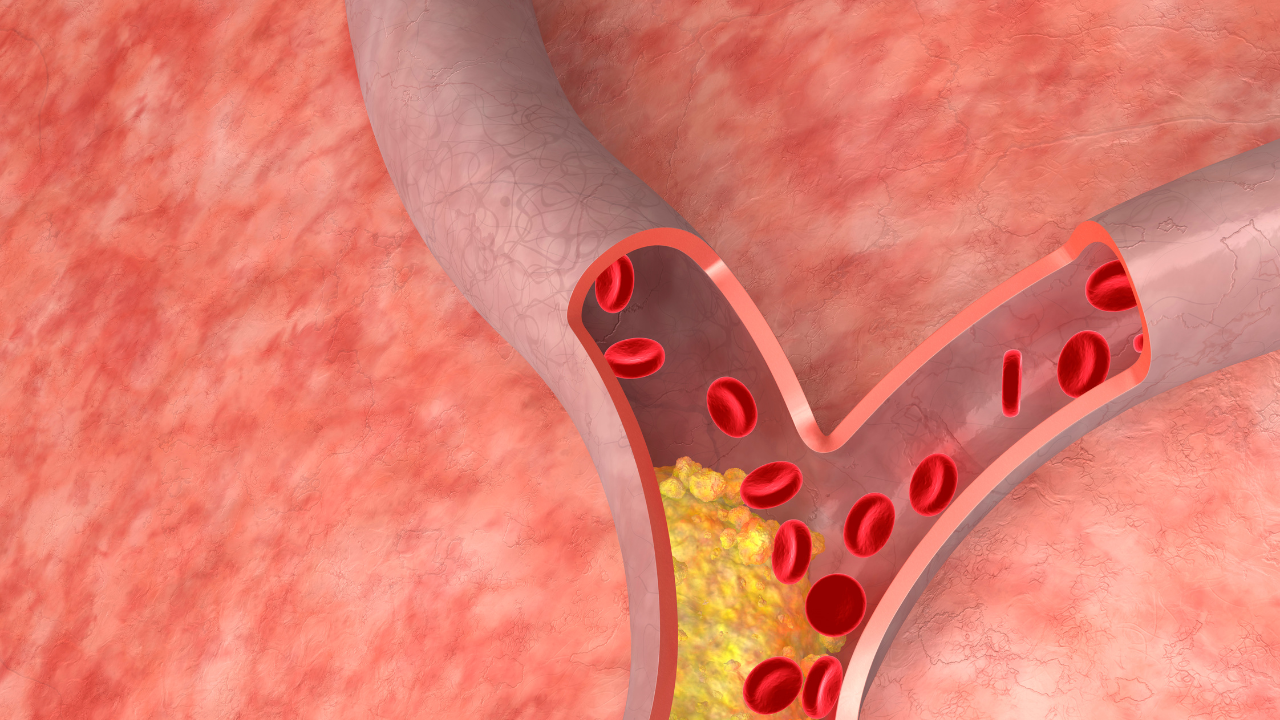
Many believed that cholesterol is the only number that mattered for heart health. However, consistent studies done on this subject have shown that numbers other than LDL cholesterol also matter for heart health. Some key health markers include ApoB and Lp(a). Not just these numbers, but other factors like blood sugar, blood pressure, inflammation markers and even visceral fat should also be kept under control for a healthier heart.

