

Copper containers have been part of kitchens for generations. Many people grow up seeing them used daily, so they feel harmless and familiar. Some even believe copper makes food healthier just by being around it. That belief is only partly true. Copper has benefits, but only when used the right way. Storage is where people make mistakes without noticing. Certain foods react slowly with copper, changing taste and quality before anyone realises what is happening. Nothing dramatic happens at first. No strong smell. No visible change. But over time, the reaction builds. Understanding which food items should never be stored in copper containers helps you avoid a problem that often stays hidden until it affects health or flavour.
Why certain food items should not be stored in copper containers
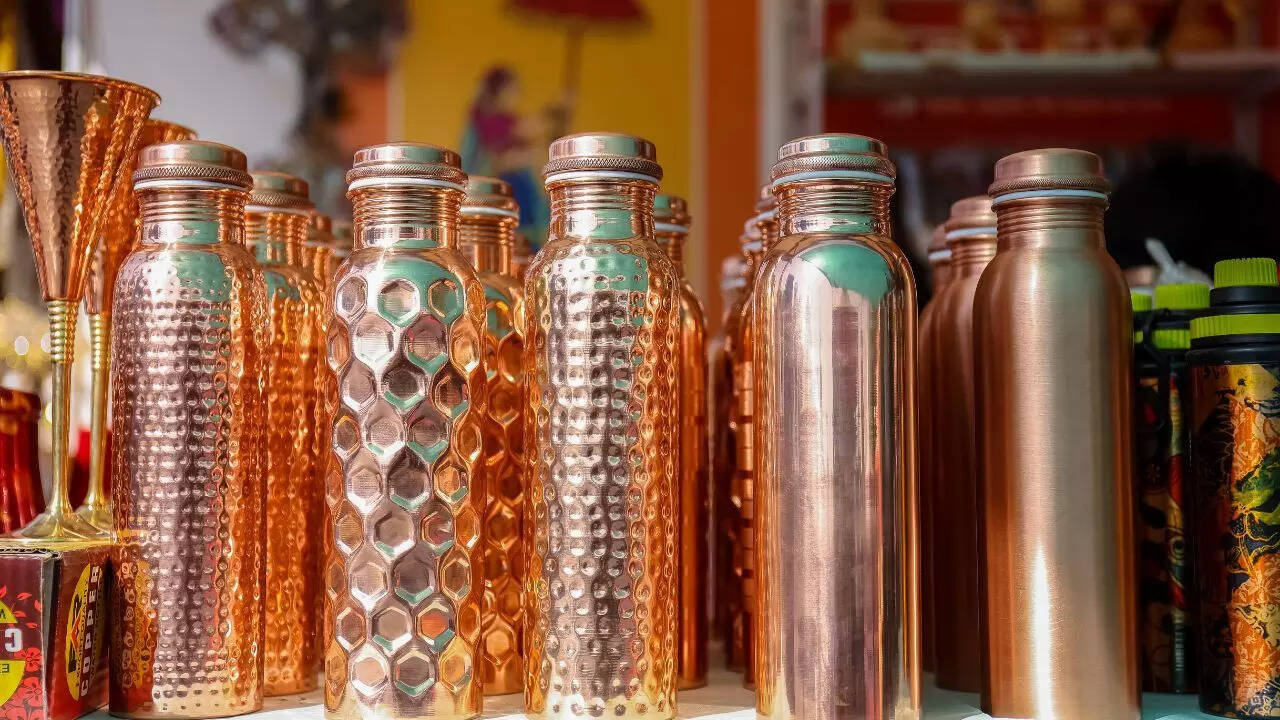
Copper is not a neutral metal. It reacts easily with moisture, salt, and acids. When food sits in contact with copper for hours, tiny amounts of the metal can mix into the food. In very small quantities, copper is needed by the body. In higher amounts, it can irritate the stomach and cause nausea or discomfort. This is why cooking briefly in lined copper vessels is different from storing food in them. Time is what makes the reaction stronger.
Acidic food items
Sour foods react the fastest with copper. Lemon juice, vinegar, tomato-based gravies, tamarind water, citrus chutneys, and sour sauces should never be stored in copper containers. Even short storage can change the taste slightly. Leave them longer and the metallic flavour becomes more noticeable. This reaction has been known for a long time, which is why traditional kitchens avoided keeping sour items in copper overnight. Glass or ceramic containers handle acidic foods far better.
Fermented food items
Fermented foods become acidic as they rest. Curd, yoghurt, buttermilk, idli batter, dosa batter, kanji, and fermented rice are especially sensitive. When these foods touch copper, the reaction speeds up. Flavour changes quickly and digestion can feel off after eating it. Many people describe a sharp or unpleasant taste without knowing the reason. Fermented foods need containers that stay neutral and do not interfere with the process.
Salty food items
Salt reacts more slowly, which is why people often miss the risk. Pickles, salted vegetables, brined foods, and salty curries should not be kept in copper containers. Salt pulls moisture into the food, and moisture increases copper transfer. The food may look fine, but long storage allows the reaction to build quietly. This is especially common in warm kitchens where humidity stays high.
Liquid food items
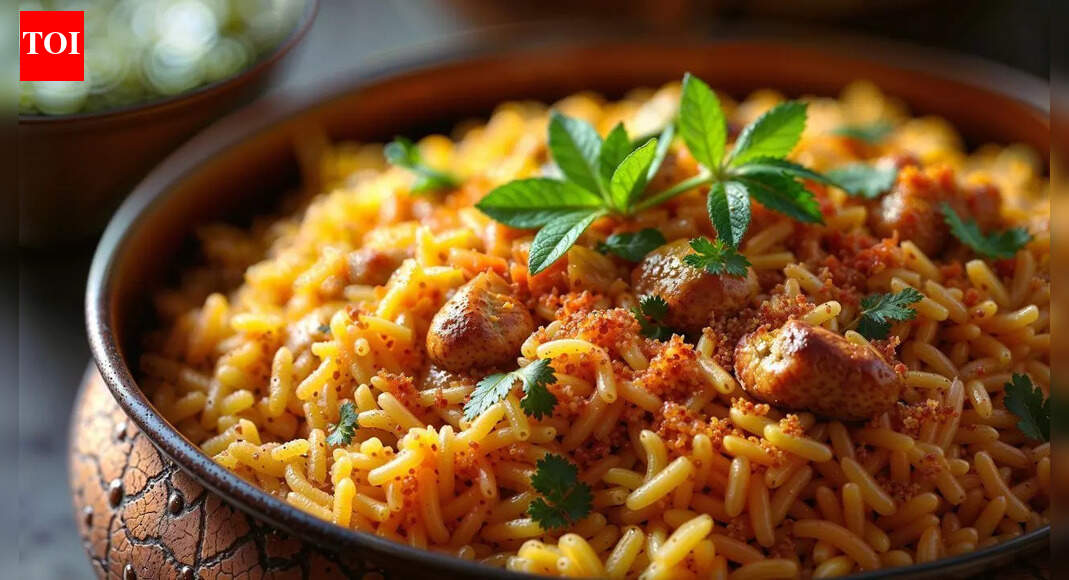
Liquids create constant contact with the container surface. Soups, dals, sambhar, rasam, gravies, and cooked vegetables with liquid content should not sit in copper containers. Even plain cooked rice can absorb copper residue if left overnight. Liquid foods react faster than dry foods, which is why copper is unsuitable for storing leftovers with moisture.
Foods people assume are safe but are not
Many people believe reheated food is safe in copper containers. Leftover curry, rice water, or boiled vegetables can still react if left for hours. Another common assumption is that lined copper is always safe. Tin lining wears down over time. Once it thins or cracks, the copper underneath becomes active again. At that point, the container should not be used for food storage.
Safer storage options instead of copper containers
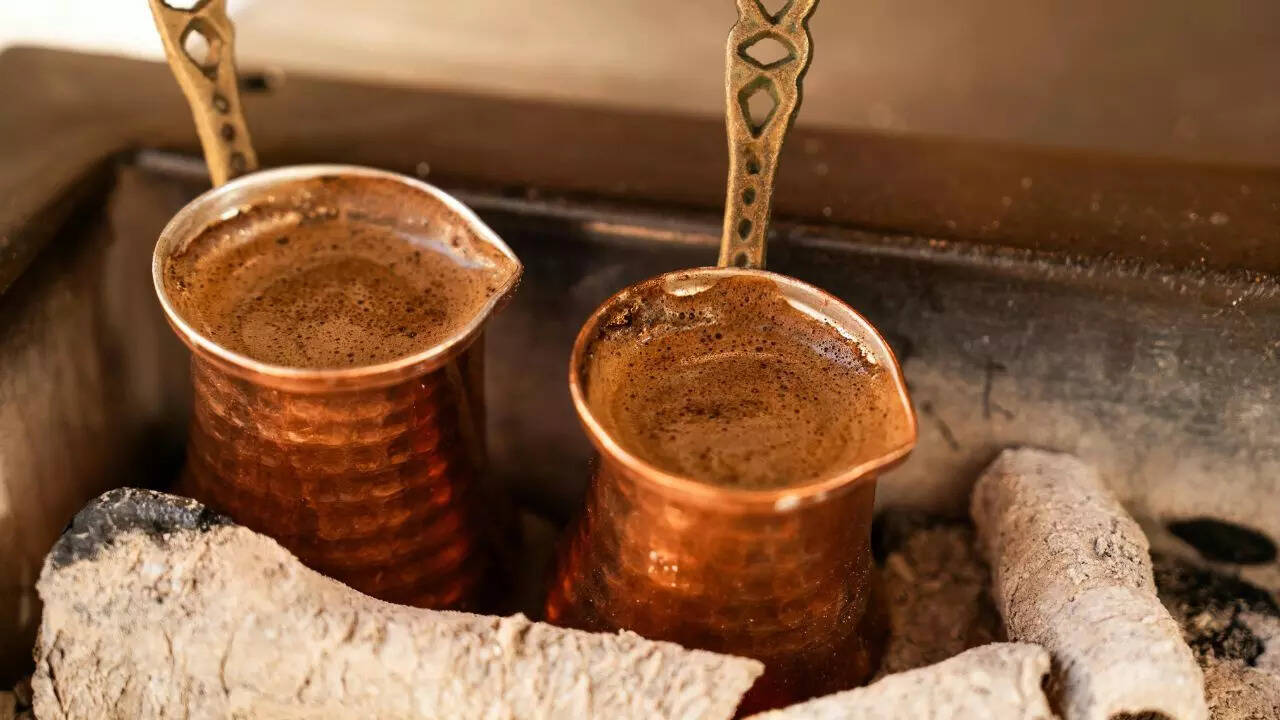
For foods that should not be stored in copper containers, safer choices are simple. Glass jars, ceramic bowls, stainless steel containers, and food-grade plastic do not react with acids, salt, or moisture. These materials protect flavour and texture without introducing risk. Copper can still be used thoughtfully, but not as an all-purpose storage solution.Copper is not the problem. Misuse is. When the wrong food items sit in copper containers, the reaction happens slowly and quietly. Once you know what not to store, copper becomes something you use with care rather than something that works against your food without you noticing.Disclaimer: This content is intended purely for informational use and is not a substitute for professional medical, nutritional or scientific advice. Always seek support from certified professionals for personalised recommendations.Also read| How to make a creamy cappuccino at home without a coffee machine

