

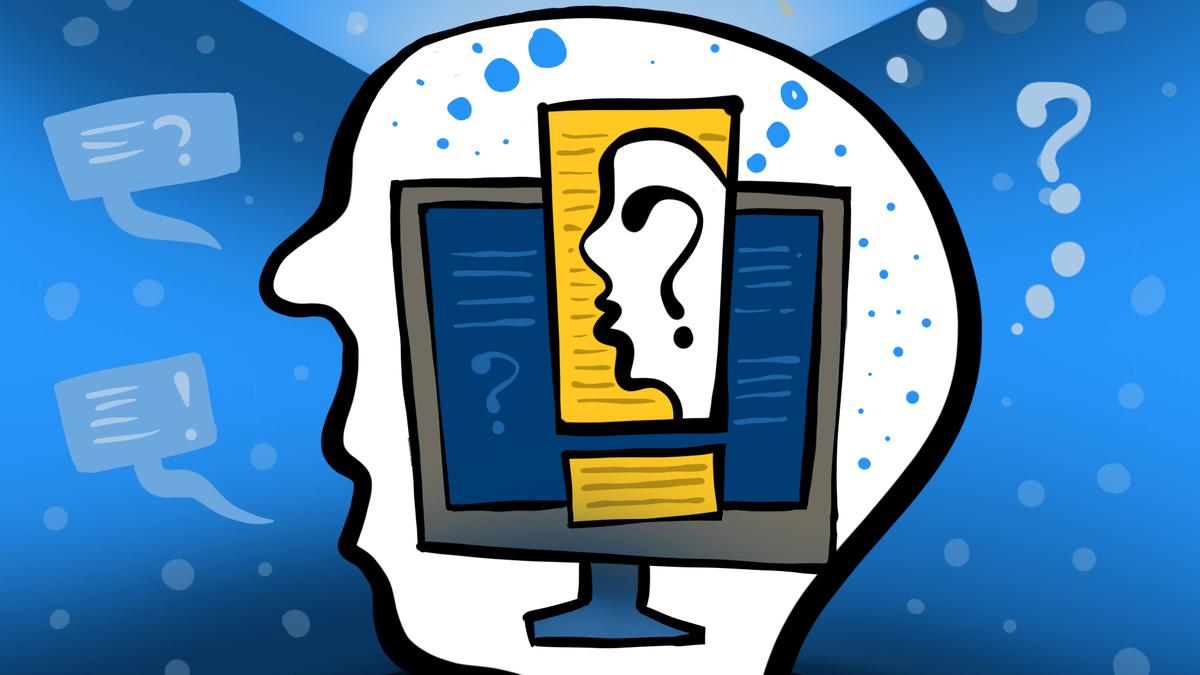
In the digital age, information spreads rapidly through the Internet, shaping opinions, behaviours, and beliefs. While this instantaneous access to information can be beneficial, it also has a downside: people often accept trends and patterns they encounter online without verifying their accuracy. This phenomenon is linked to the concept of illusory correlation, where individuals perceive a relationship between variables even when none exists. The impact of this can be profound, influencing public opinion and behaviour in significant ways.
Illusory correlation occurs when people incorrectly believe that two events are related owing to their simultaneous occurrence or a biased cognitive process. This cognitive bias is particularly prevalent in the context of social media and online information, where users are constantly bombarded with data, trends, and anecdotes. Humans have an inherent tendency to seek patterns and make connections. This ability has evolutionary advantages but also leads to cognitive biases. When people see repetitive themes or messages online, they may start to believe in a correlation between unrelated factors. This is often exacerbated by confirmation bias, where individuals favour information that confirms their pre-existing beliefs.
The Internet, especially social media platforms, amplifies the effects of illusory correlation. Algorithms designed to maximise engagement often present users with content that reinforces their interests and beliefs, creating echo chambers. This environment makes it easy for illusory correlations to take root and spread. One prominent example is the spread of health misinformation. During the COVID-19 pandemic, various unfounded remedies and conspiracy theories gained traction online. For instance, some people believed that certain foods or vitamins could prevent or cure the virus, despite a lack of scientific evidence. These beliefs often stemmed from seeing multiple posts or articles suggesting such remedies, leading to a perceived but false correlation between these foods and health outcomes.
Another example is the widespread belief in horoscope accuracy. Many people follow astrological predictions and see patterns in their daily lives that align with these forecasts. Despite the lack of scientific backing, the repetitive nature of these predictions and their general applicability lead individuals to perceive a correlation between their horoscope and actual events.
The consequences of illusory correlation can be far-reaching, influencing individual decisions and societal trends. Health misinformation fuelled by illusory correlations can lead to harmful behaviours. For instance, people might avoid vaccination owing to falsely perceived risks, leading to outbreaks of preventable diseases. Similarly, reliance on unproven treatments can prevent individuals from seeking effective medical care. Illusory correlation also plays a role in shaping social and political beliefs. For example, stereotypes and prejudices are often reinforced through selective exposure to biased information. If individuals repeatedly encounter negative portrayals of a particular group online, they may start to believe that these portrayals are accurate and representative. Marketing and advertising leverage illusory correlation by creating associations between products and desired outcomes. For instance, repeated exposure to advertisements that link a particular brand with happiness or success can lead consumers to believe in this association, influencing their purchasing decisions.
Addressing the impact of illusory correlation requires a multifaceted approach, involving education, critical thinking, and technological solutions. Educating people about cognitive biases and the nature of illusory correlation can empower them to critically evaluate the information they encounter. Media literacy programmes should be integrated into educational curricula to help individuals discern reliable sources from misinformation.
Encouraging scepticism and critical thinking is essential. Individuals should be taught to question the validity of information, seek out multiple sources, and verify facts before accepting them as true. This can help reduce the influence of illusory correlation.
Technology companies can play a role by improving algorithms to reduce the spread of misinformation. Efforts to flag false information, promote credible sources, and diversify the content presented to users can mitigate the effects of echo chambers and illusory correlation.
The Internet has revolutionised access to information, but it has also amplified the effects of cognitive biases like illusory correlation. By understanding how trends and misinformation can shape beliefs, and by promoting media literacy and critical thinking, we can better navigate the digital landscape.
Combating illusory correlation is crucial for fostering a well-informed and rational society, capable of making decisions based on facts rather than unfounded beliefs.
ahmad.nimra12112@gmail.com

