

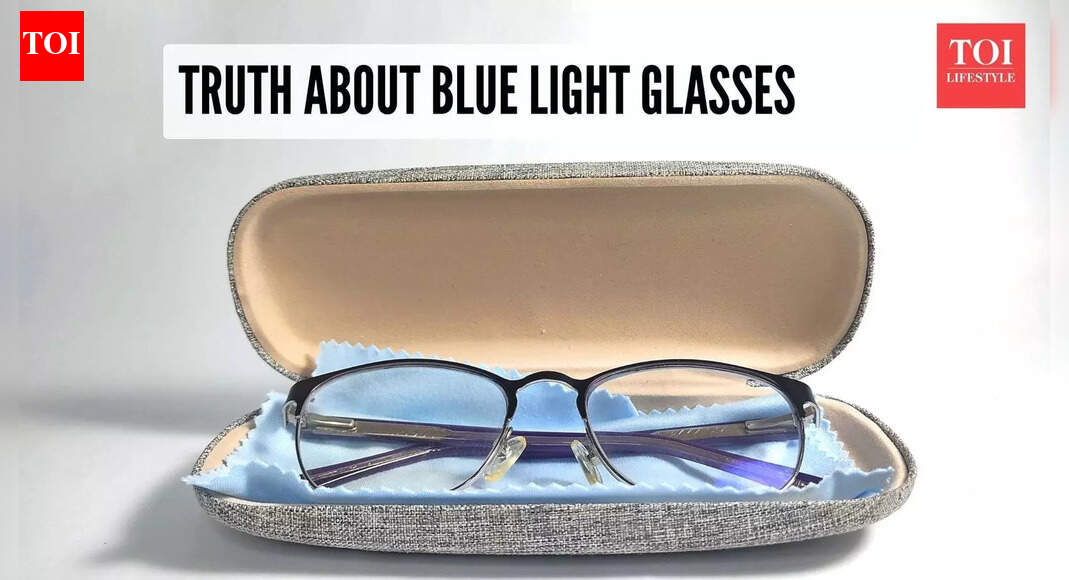
Blue light glasses are sold as shields for tired eyes. Ads promise protection from screens, better sleep, and long-term eye safety. But eye doctors see a different story in clinics every week. Ophthalmologist Dr Surbhi Joshi Kapadia recently called blue light glasses a “marketing scam,” and the statement sparked debate. The facts behind that claim deserve a calm, clear look, without fear or hype.
Screen blue light is not strong enough to damage eyes
The blue light from phones, laptops, and TVs is very weak. It is far weaker than the blue light coming from the sun. Sunlight contains much higher energy, yet normal daily exposure does not damage healthy eyes in most people. Current scientific evidence does not show that screen blue light causes eye disease or permanent eye damage.
Eye discomfort comes from strain, not blue light
Burning eyes, dryness, blurred vision, and headaches are real problems. But blue light is not the cause. These symptoms are part of digital eye strain. Long screen hours reduce blinking. Muscles around the eyes stay tense. Poor sitting posture adds neck and shoulder stress, which can trigger headaches. Blaming blue light hides the real reason behind the discomfort.
Most blue light glasses block very little
Many blue light glasses block only 5 to 15 percent of blue light. This small reduction is not enough to change eye health outcomes. The lenses often look yellow, which creates a feeling of relief, but that comfort is mostly psychological. The price tag pays for branding, not proven medical benefit.

No proof they prevent eye disease
There is no strong clinical evidence showing that blue light glasses prevent cataracts, retinal damage, or vision loss. They do not protect against age-related eye problems. They also do not treat dry eye disease. Eye doctors agree that habits matter far more than lens coatings.
What actually helps tired screen eyes
Simple steps work better than special glasses.
- 20-20-20 rule: Every 20 minutes, look 20 feet away for 20 seconds.
- Correct spectacle power: Even small number errors increase strain.
- Good lighting: Screens should not fight dark rooms or harsh glare.
- Lubricating eye drops: Helpful when dryness is frequent, if advised by a doctor.
These changes reduce strain because they address the real problem.
Why the myth still survives
Blue light glasses sell comfort and control in a screen-heavy life. The idea feels modern and protective. But eye health is rarely solved by shortcuts. Doctors see improvement when people blink more, rest eyes, and fix posture. Good habits protect vision quietly, without filters or fancy frames.Disclaimer: This article is for general awareness only. It does not replace medical advice. Eye symptoms that persist or worsen should always be evaluated by a qualified ophthalmologist or eye care professional.

