

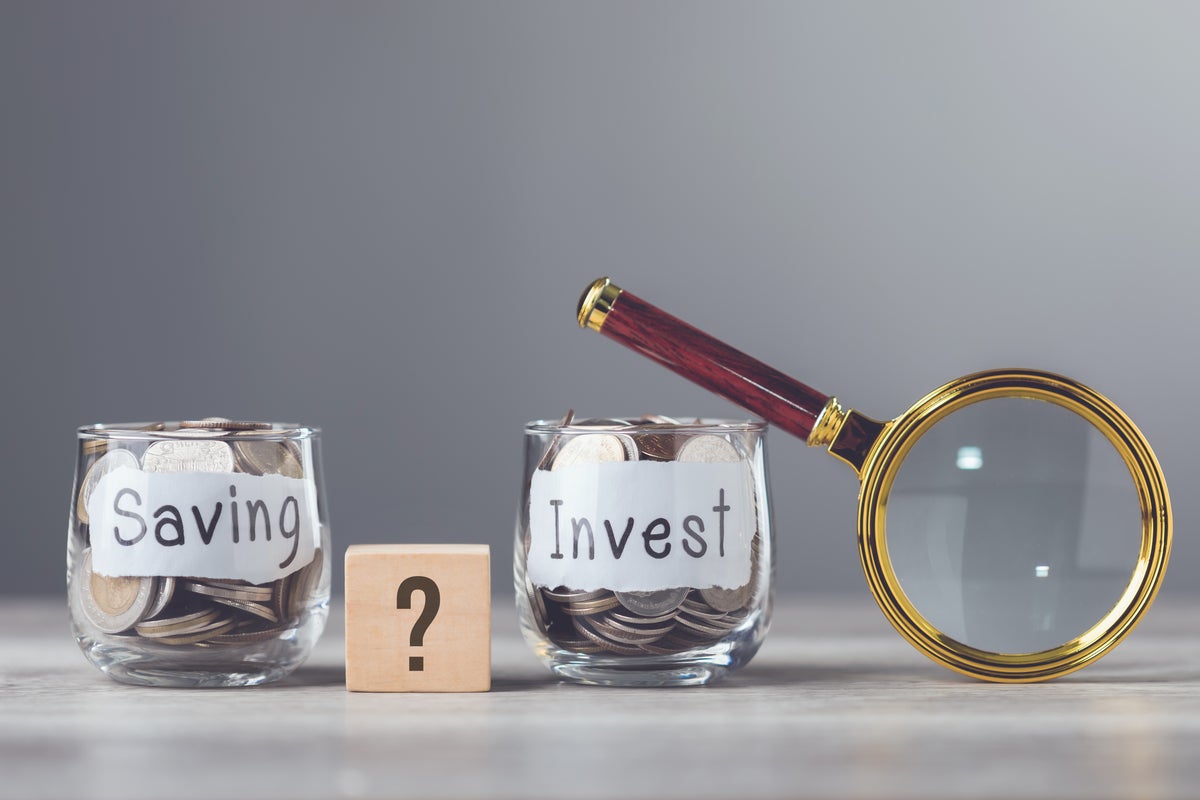
In 2020, I put £100 into the stock market for the first time. Not £1,000. Not £10,000. One hundred pounds. Money I was willing to lose. Money I used to understand what investing actually felt like.
That £100 changed everything. Not because of the returns, but because it broke the barrier. I learned that investing wasn’t a complicated game for rich people. It was a way to build wealth slowly, steadily, over time. And once I’d started, I kept going.
Now, four years later, Rachel Reeves has announced that from April 2027, the cash ISA allowance will fall from £20,000 to £12,000.
The aim is to push people to put at least £8,000 into Stocks and Shares ISAs, to get Britain investing again.
I understand the mission. I agree with the mission. More people absolutely should be investing. But this plan won’t work.
The numbers that matter
HMRC’s latest Annual Savings Statistics make one thing very clear: most people are nowhere near the new £12,000 Cash ISA limit. The most common annual ISA contribution is just £1 to £2,499, made by 41.9 per cent of savers.
The average annual ISA subscription is around £6,900. Only 22.7 per cent of people max out the full £20,000—and higher earners are heavily overrepresented in this group. Among those earning over £100,000, between 40 per cent and 60 per cent max out.
So the new limit affects a small, wealthy minority—not the typical saver. And when these high earners lose their tax-free space, they won’t turn into stock market investors. They’ll simply move the extra cash into ordinary taxable accounts—and pay more tax for doing it.
Basic rate taxpayers will now pay 22 per cent on interest above their £1,000 allowance. Higher rate taxpayers will pay 42 per cent above £500. Instead of creating more investors, this policy simply creates more taxable savers.
Get a free fractional share worth up to £100.
Capital at risk.
Terms and conditions apply.
ADVERTISEMENT

Get a free fractional share worth up to £100.
Capital at risk.
Terms and conditions apply.
ADVERTISEMENT
Why this won’t work
Reeves said in her Budget speech: “The UK has some of the lowest levels of retail investment in the G7, and that is not only bad for business, who needs that investment to grow. It’s bad for savers, too.”
She’s right. But the problem isn’t that Cash ISAs are too generous. The problem is the warnings. Open any investing app and you’re hit with messages like: “Capital at risk.” “You may get back less than you invested.” “Past performance does not guarantee future results.”
It sometimes feels like there are more warnings than on a gambling site.

These warnings are necessary. They’re mandatory. But they’re terrifying if you’ve never invested before. They make it feel like you’re about to gamble your life savings away.
Meanwhile, Cash ISAs have no warnings. No red banners. No reminders that inflation quietly destroys 2–3 per cent of your savings every year. You can’t force someone into the stock market by making cash less attractive.
You have to show them why investing is worth it.
What actually got me investing
That £100 I mentioned? Here’s why it worked: I was lucky. I went looking for information. I found creators and platforms that explained investing simply.
Most people never get that far. Many don’t even know where to start.
I didn’t invest because the government restricted my savings options…Education got me started. Not punishment.
I didn’t invest because the government restricted my savings options. I invested because someone helped me understand it. Because I started small.
Because the fear faded once I had skin in the game. Education got me started. Not punishment.
What would actually work
If the goal is to get Britain investing, here’s what should happen instead:
- Education campaigns. Show people how compound growth works. Explain risk versus volatility. Make investing feel understandable, not dangerous. If Stocks and Shares ISAs require a wall of warnings, Cash ISAs should at least mention that inflation erodes your money every year. Incentivise, don’t punish. Give people a reason to start. A government bonus perhaps, for 18-30-year-olds who open their first Stocks and Shares ISA and contribute up to £1,000. Like a simplified Lifetime ISA, but purely for investing. The hardest part is starting. A small incentive gets people over the barrier. Once they’re over it, they keep going. Make it about getting started, not maxing out. The goal shouldn’t be “everyone must invest £8,000.” It should be “everyone should try investing something.” Once you’ve put in £100 or £500, you learn more in a month than in a year of reading. You see gains. You see losses. You stop being afraid. This is when behaviour changes.
What will actually happen
There’s roughly £300 billion sitting in Cash ISAs across the UK. This policy won’t suddenly move that money into the stock market. It will simply redirect future savings into taxable accounts.
People who already invest will keep investing. People who prefer cash will move the excess into taxable accounts—and pay more tax for doing it.
The over-65s are exempt from the change, which shows the government understands that time horizon matters. But everyone under 65 isn’t the same.
A 30-year-old building an emergency fund and a 50-year-old preparing for retirement have completely different needs. Yet both are being given the same ultimatum: invest or pay tax. And when many choose to pay tax instead, the government will claim people don’t want to invest. But that’s not necessarily true. They just don’t want to be forced.
The dare
If you save into a Cash ISA, check how much you actually contribute each year.
Most people are nowhere near £12,000, so nothing changes for them. If you are over £12,000, you’ve got until April 2027 to make a plan.
And that plan might be to start investing. But do it because you choose to, not because Rachel Reeves made cash slightly less attractive.
Start with £100. Or £500. Whatever you’re willing to risk while you learn. Feel what it’s like. Get used to the swings. Then keep going. Because investing works when you understand it. When you choose it. When you’re ready for it. Not when you’re pushed into it.
If there’s one thing I’ve learned: you can force people to pay more tax. You can’t force them to become investors.
When investing, your capital is at risk and you may get back less than invested. Past performance doesn’t guarantee future results.

