


NEWYou can now listen to Fox News articles!
Holiday shopping creates a perfect storm for cybercriminals.
The FBI says scammers target Gmail, Outlook and nearly every other inbox this time of year as they push fake messages that trick you into giving up money or sensitive information.
These schemes move fast, and victims often do not realize what happened until their bank accounts show charges they never made.
Sign up for my FREE CyberGuy Report
Get my best tech tips, urgent security alerts and exclusive deals delivered straight to your inbox. Plus, you’ll get instant access to my Ultimate Scam Survival Guide — free when you join my CYBERGUY.COM newsletter.
NEW SCAM SENDS FAKE MICROSOFT 365 LOGIN PAGES
Scammers use realistic emails during the holiday rush, so even normal inbox alerts can hide dangerous threats. (Kurt “CyberGuy” Knutsson)
Why the FBI is raising the alarm
The FBI’s Internet Crime Complaint Center notes that Americans lose more than $785 million to non-payment and non-delivery scams during the holiday cycle and the months that follow. Credit card fraud pushed losses higher by another $199 million. Complaints usually surge in the early months of the year, which the IC3 ties to holiday activity that happens in November and December.
The agency highlights four major schemes that spike during the season. They include non-delivery scams where you pay for items that never arrive, non-payment scams, where sellers get nothing after shipping items, auction fraud where the product is not what the listing claimed and gift card fraud, where criminals push victims to pay with prepaid cards.
The FBI says one click on a suspicious link can install malware. That malware can capture your name, password and bank account number. Criminals use that information to break into accounts faster than most people expect.
NEW EMAIL SCAM USES HIDDEN CHARACTERS TO SLIP PAST FILTERS

Watching for warning signs and slowing down before clicking helps protect your money and your accounts. (Kurt “CyberGuy” Knutsson)
A growing problem with account takeover scams
The agency is also tracking a sharp rise in account takeover attacks. Since January 2025, IC3 has received more than 5,100 complaints tied to these scams with reported losses of over $262 million.
These attacks start with social engineering. Criminals impersonate bank workers, customer service staff or fraud teams. They send fake emails, texts, or calls that claim your account has a problem. Victims then face pressure to share login credentials, multi-factor authentication codes or one-time passcodes.
Criminals also create phishing sites that look like real banking or payroll portals. Some even buy search ads so the fake sites appear at the top of the results. Once a victim enters their information, scammers log in, lock out the real owner and move money. Many transfers go through cryptocurrency wallets to hide the trail.
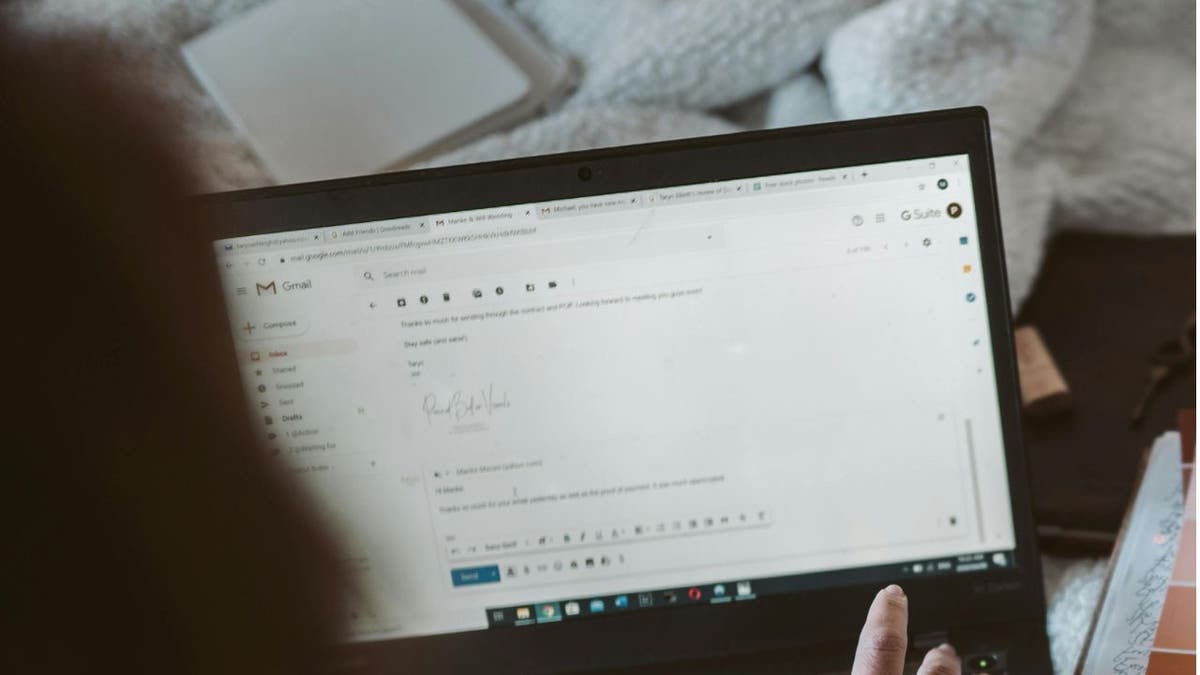
Criminals design phishing messages to look urgent, pushing people to act fast and give up sensitive information. (Kurt “CyberGuy” Knutsson)
How to stay safe from holiday email scams
You can lower your risk with a few simple habits.
1) Be cautious with links and attachments
Avoid opening links or files in emails, websites or social media posts you did not expect. Also, use strong antivirus software to catch malware if you accidentally click on something unsafe.
The best way to safeguard yourself from malicious links that install malware, potentially accessing your private information, is to have strong antivirus software installed on all your devices. This protection can also alert you to phishing emails and ransomware scams, keeping your personal information and digital assets safe.
Get my picks for the best 2025 antivirus protection winners for your Windows, Mac, Android and iOS devices at Cyberguy.com.
2) Look up companies on your own
If a message asks you to update your password or account information, find the company’s phone number yourself and call to verify it.
3) Watch for pressure tactics
Scammers create a sense of urgency. Slow down and confirm what you are being told.
4) Limit what scammers can find about you online
Use a data removal service to pull your personal information off data broker sites. These services scan dozens of brokers that publish your phone number, home address, email and even shopping habits. When less of your data is exposed, scammers have fewer details to use when crafting convincing phishing emails or impersonating trusted companies. This makes it harder for criminals to target you with personalized attacks during the holiday shopping rush.
While no service can guarantee the complete removal of your data from the internet, a data removal service is really a smart choice. They aren’t cheap, and neither is your privacy. These services do all the work for you by actively monitoring and systematically erasing your personal information from hundreds of websites. It’s what gives me peace of mind and has proven to be the most effective way to erase your personal data from the internet. By limiting the information available, you reduce the risk of scammers cross-referencing data from breaches with information they might find on the dark web, making it harder for them to target you.
Check out my top picks for data removal services and get a free scan to find out if your personal information is already out on the web by visiting Cyberguy.com.
Get a free scan to find out if your personal information is already out on the web: Cyberguy.com.
5) Limit what scammers can find about you online
Use a data removal service to pull your information off data broker sites. This reduces the personal details criminals use to craft convincing phishing messages.
6) Check the website address before signing in
Look for odd spellings or domains that seem out of place. Banks never send sign-in links that redirect through unfamiliar sites.
7) Protect your accounts
Enable two-factor authentication (2FA), avoid reusing passwords, and update your passwords as soon as you hear about a new scam or data leak that could affect you. Consider using a password manager, which securely stores and generates complex passwords, reducing the risk of password reuse.
Next, see if your email has been exposed in past breaches. Our No. 1 password manager pick includes a built-in breach scanner that checks whether your email address or passwords have appeared in known leaks. If you discover a match, immediately change any reused passwords and secure those accounts with new, unique credentials.
Check out the best expert-reviewed password managers of 2025 at Cyberguy.com.
8) Use email aliases to protect your main inbox
Create alias email addresses for shopping and sign-ups. These aliases forward messages to your primary inbox and help reduce spam. They also limit how much of your real information scammers can access if a retailer or website faces a breach.
9) Act fast if money is stolen
The FBI says victims should contact their financial institution as soon as they notice fraud. Request a recall or reversal and ask for a Hold Harmless Letter or Letter of Indemnity. Then reset every credential connected to the exposed password, including any account that uses the same login.
For recommendations on private and secure email providers that offer alias addresses, visit Cyberguy.com.
10) Report scams right away
The FBI urges victims to report fraudulent activity to the Internet Crime Complaint Center (IC3.gov). Quick reporting helps investigators track new scam patterns and may improve recovery chances.
Kurt’s Key takeaways
Cybercriminals count on distraction during the holiday rush. Staying alert helps keep your inbox, money and personal information safer. Awareness is your strongest tool, and even small steps make a big difference when scams grow more advanced every year.
What scams have you seen hit your inbox this season, and how did you handle them? Let us know by writing to us at Cyberguy.com.
CLICK HERE TO DOWNLOAD THE FOX NEWS APP
Sign up for my FREE CyberGuy Report
Get my best tech tips, urgent security alerts and exclusive deals delivered straight to your inbox. Plus, you’ll get instant access to my Ultimate Scam Survival Guide — free when you join my CYBERGUY.COM newsletter.
Copyright 2025 CyberGuy.com. All rights reserved.

