

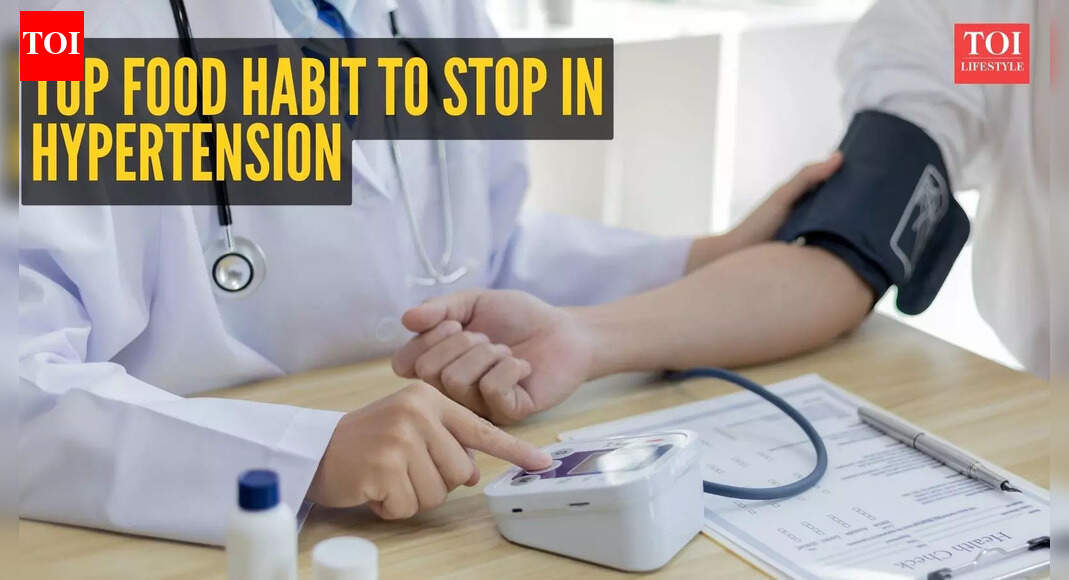
High blood pressure, or hypertension, affects more than a billion people worldwide and remains one of the leading risks for heart attack and stroke. The American Heart Association (AHA) stresses that lifestyle choices play a crucial role in managing it, and cardiologists say the first step is identifying one common eating habit that quietly worsens blood pressure for millions.
The top habit to stop in hypertension
The most important dietary change for people with hypertension is lowering sodium intake, especially by avoiding the excess sodium found in processed, packaged and restaurant foods.According to the American Heart Association and the Centers for Disease Control and Prevention (CDC), 70–75 percent of the sodium Americans consume comes from hidden sources, not from the salt shaker. The National Health Service (NHS) in the UK highlights the same trend, noting that most salt is added during food manufacturing.Excess sodium increases blood pressure by causing the body to retain water, which raises blood volume and increases pressure on artery walls. This mechanism is widely documented in cardiovascular research, including studies published in The New England Journal of Medicine and Hypertension. Research led by Professor Graham MacGregor, chair of Blood Pressure UK, has consistently shown that reducing salt intake can lower blood pressure across entire populations, forming the foundation for global salt-reduction strategies.
How much salt is too much?
American Heart Association (AHA) recommendations
- General population: ≤ 2,300 mg sodium per day
- Hypertension, heart or kidney disease: ideally 1,500 mg per day
World Health Organization (WHO) guidance
- Adults should consume < 5 g of salt per day (≈ 2,000 mg sodium)
Common foods high in hidden sodium
- Breads, rolls and baked goods
- Canned soups and canned vegetables
- Frozen and ready-to-heat meals
- Restaurant and takeaway dishes
- Processed meats such as deli slices, sausages and bacon
- Sauces, dressings and packaged marinades
- Snack foods, including some that do not taste salty
- Salt is often used as a preservative and flavour enhancer, meaning taste alone cannot reveal sodium levels.
Why reducing salt is challenging — and how to make it easier
Cardiology experts and major health organisations recommend several practical approaches:Check nutrition labelsAim for foods labelled “low sodium” (140 mg or less per serving).Cook more meals at homeFresh ingredients give you full control over salt content.Limit packaged and processed foodsThis includes canned soups, instant noodles, frozen meals and fast food.Use herbs, spices and citrus for flavourGarlic, cumin, basil, rosemary and lemon add flavour without adding sodium.Request low-salt options when dining outMany restaurants can prepare lower-sodium versions on request.Research published in The Lancet and BMJ shows that population-wide salt reduction leads to measurable declines in cardiovascular disease.
Other proven ways to lower blood pressure
Reducing sodium is the top priority, but cardiology guidelines recommend a broader lifestyle approach:1. Exercise regularlyThe AHA advises 150 minutes of moderate exercise per week.Regular physical activity improves vascular elasticity and lowers blood pressure.2. Manage stress and prioritise sleepScientific studies show that chronic stress and irregular sleep patterns elevate blood pressure.Mindfulness, breathing exercises and consistent sleep routines can help.3. Limit alcohol and avoid smokingBoth habits stiffen arteries and increase hypertension risk.4. Monitor blood pressure consistentlyThe National Institutes of Health (NIH) recommends home monitoring and following prescribed medication schedules.
The bottom line
Hypertension is serious but highly manageable. Cardiologists and public health agencies agree that reducing excess dietary sodium, especially from processed and restaurant foods, is the most impactful dietary change for controlling blood pressure. Combined with exercise, better sleep, and regular check-ups, a lower-salt diet can significantly reduce long-term cardiovascular risk.Note: The information provided in this article is for educational purposes only and is not intended as medical advice. Always consult with a qualified healthcare professional before starting any new medication or treatment and before changing your diet or supplement regimen.

