

Joe Rogan, one of the biggest podcasters in the world, has been losing steam, by his standards, over the last 12 months or so. In April 2025, however, an episode of The Joe Rogan Experience gained the kind of instantly viral traction Rogan regularly commanded in his heyday.
This was his 160-minute interview with biologist and self-styled longevity expert Gary Brecka, whose views on human lifespan have drawn both followers and critics in equal measure. For over two hours, Rogan and Brecka debated diets, workout regimens as well as longevity measures of the more esoteric kind — like red light therapy beds, hyperbaric oxygen chambers and cold plunge tanks.
Brecka’s followers can be seen in the YouTube comments section, citing the benefits of his advice down the years. His critics point out that since he is not a medical doctor, he has no business advising, say, migraine patients or the parents of children with autism (to name just two of Brecka’s pet concerns).
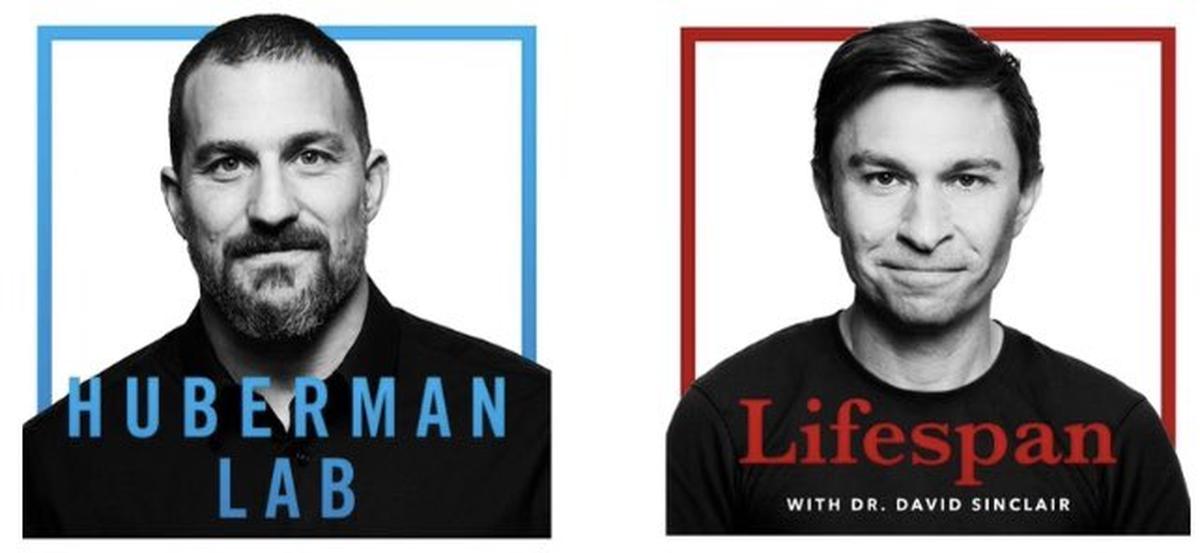
Regardless of where you stand on the specifics, the virality of the episode is a reminder that human longevity is a divisive yet broadly appealing subject, one that makes listeners pay close attention. Look at the popularity of the American neuroscientist and podcaster Andrew Huberman, for instance. Or David Sinclair, whose podcasts, TV specials and appearances in other mainstream media outlets have sent him soaring up the popularity charts. His 2019 book Lifespan: Why We Age and Why We Don’t Have To, is a global bestseller, the kind you see all across airport bookshelves. Both Sinclair and Huberman have been featured in Rogan’s podcast these past couple of years.
Into the future
In India, too, the Indian Institute of Science’s ‘Longevity India’ initiative has been hosting the Biopeak Live podcast for the last eight months. The episodes are co-hosted by Prof. Deepak Saini, convenor of Longevity India. In their view, ‘healthspan’ is just as important as lifespan — this is the term for the number of healthy years a person gets in their lifetime.
As Prof. Saini outlines in these episodes, the challenge is to conduct both fundamental research into ageing and lifespan, as well as effect change at the policy level in both private and government sectors — so much of one’s lifestyle, after all, is geared around the workplace today.
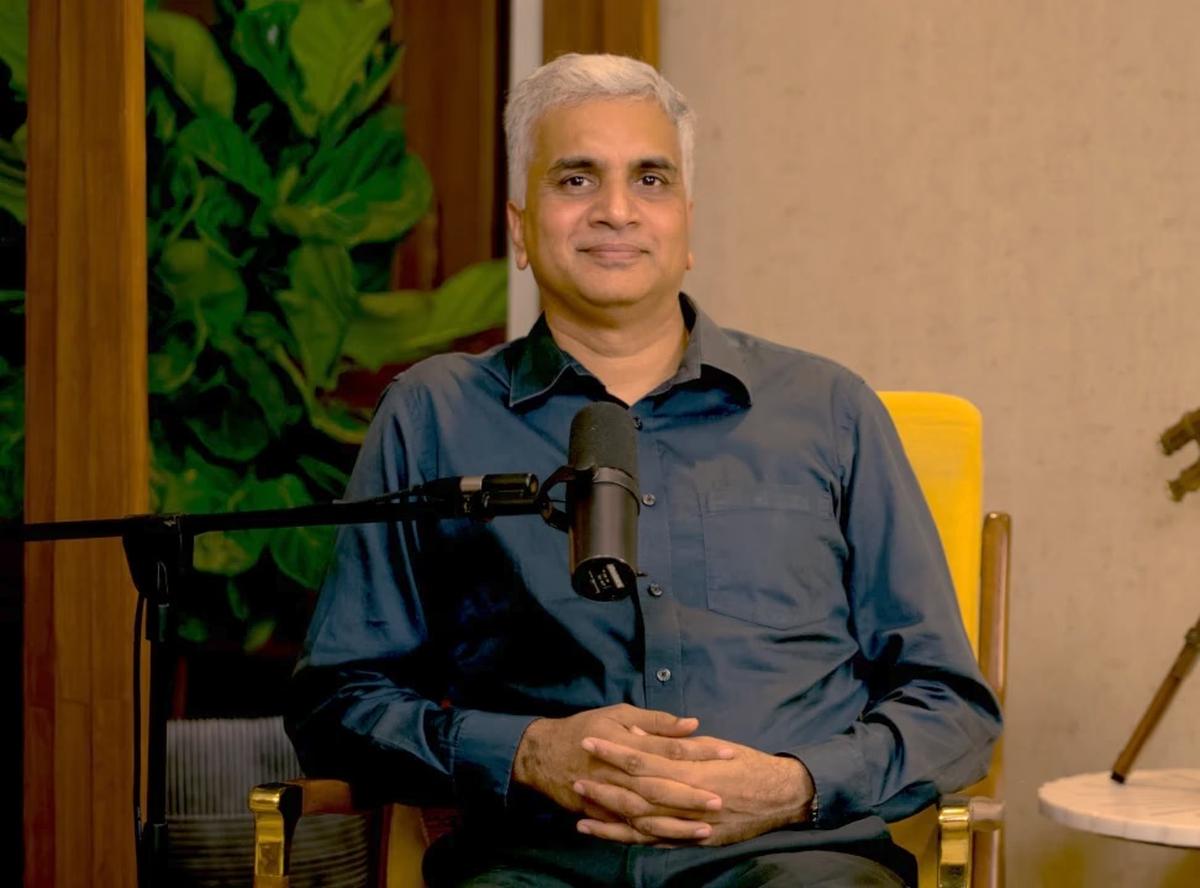
Prof. Deepak Saini of the Biopeak Live podcast.
Air pollution is another issue around which newspaper op-eds and TV debates usually heat up. And longevity is the currency with which impassioned news anchors plead their case to the audience: if you’re living in Delhi, the resultant lung diseases mean you’re shaving five years off your life, and so on. Longevity is both text and subtext in this kind of cultural landscape — it is at once the language through which we describe the future, and the vehicle that can get us there.
Between heaven and hell
No wonder, then, that the world of streaming too has been dotted with stories about transferring consciousness across bodies (Altered Carbon), about survivalism (Silo, Fallout, The Last of Us), and about immortal, centuries-old warriors shepherding the course of history (The Old Guard).
However, the purest expression of the longevity impulse from the streaming world belongs to Amazon Prime Video’s Upload, which imagines a kind of digital afterlife wherein wealthy users can transfer their consciousness prior to their physical demise. It is essentially a corporate-designed, novelty resort version of the afterlife, complete with AI servant-bots and the like. There is something innocent and yet very unsettling about its primary-colours vision of ‘forever-fun’ and the show plays around with the concept of eternity quite well — if all you do is your favorite thing 24/7, ‘eternal’ becomes a progressively less attractive prospect over time.
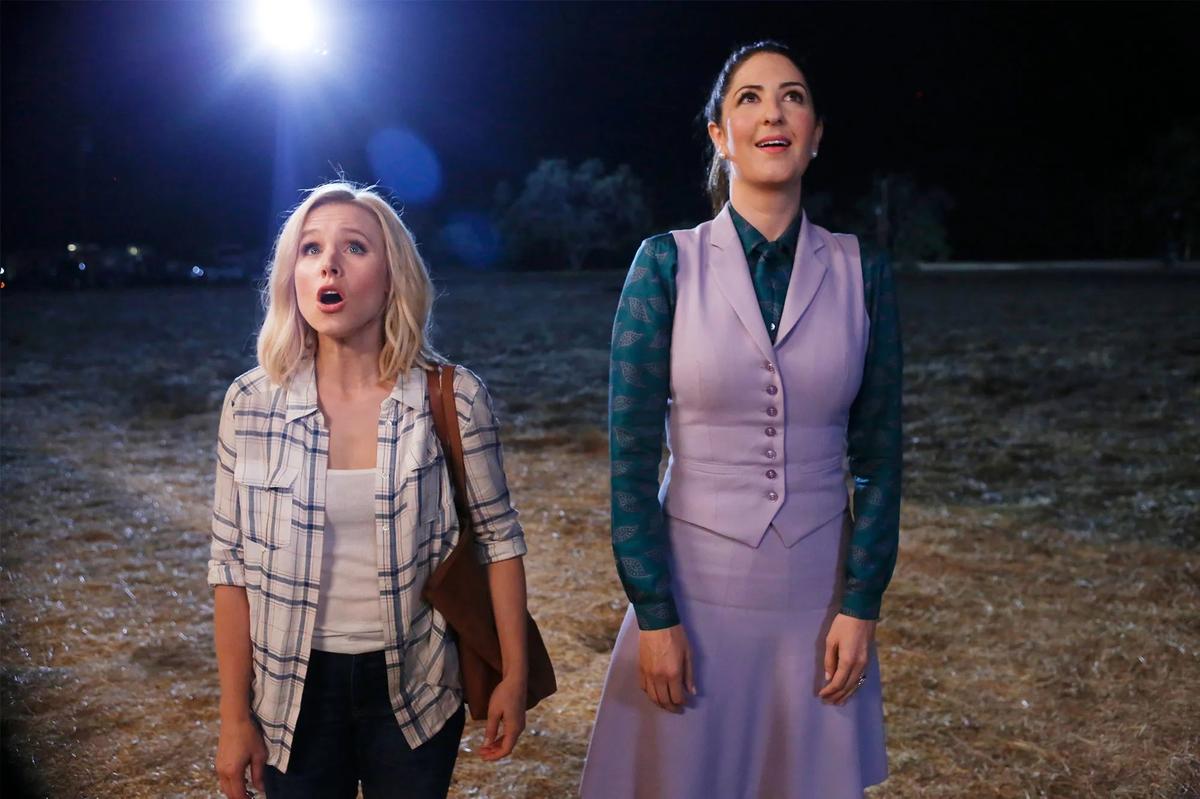
Kristen Bell and D’Arcy Carden in The Good Place.
Much like the comedy The Good Place, which is set in the literal heaven/hell duality, Upload also raises some great philosophical questions around the issue of longevity. For instance, at what point in our lives should we slow down and think dispassionately about the end? How do we prevent well-meaning homilies about ‘living in the moment’ from destroying any semblance of structure in our existence?
And perhaps the most important of them all, how do we give ourselves the best chance of leading a good life, not merely a long one?
The writer is working on his first book of non-fiction.
Published – January 02, 2026 01:29 pm IST

