


Smog season tests the lungs every single day. Fine particles hang in the air and quietly irritate airways. Many people focus on masks and air purifiers, but breathing habits also matter. The right breathing exercises can calm the lungs, improve oxygen use, and reduce daily stress. These are not quick fixes, but gentle practices that support the body when the air feels heavy and harsh.
Nose-first breathing reset
This exercise trains the lungs to filter air better. The nose warms and traps particles before air reaches the lungs. Sit comfortably and close the mouth. Breathe in slowly through the nose for four seconds. Pause for two seconds. Breathe out through the nose for six seconds. Repeat for five minutes. This pattern encourages calm breathing during polluted days and reduces mouth breathing, which often worsens irritation.
Low belly breathing for lung relief
Smog often causes shallow chest breathing without people noticing. Belly breathing helps the lower lungs expand fully. Place one hand on the chest and one on the belly. Inhale through the nose and let the belly rise while the chest stays mostly still. Exhale slowly and feel the belly fall. This exercise supports better oxygen exchange and relaxes tight breathing muscles strained by polluted air.
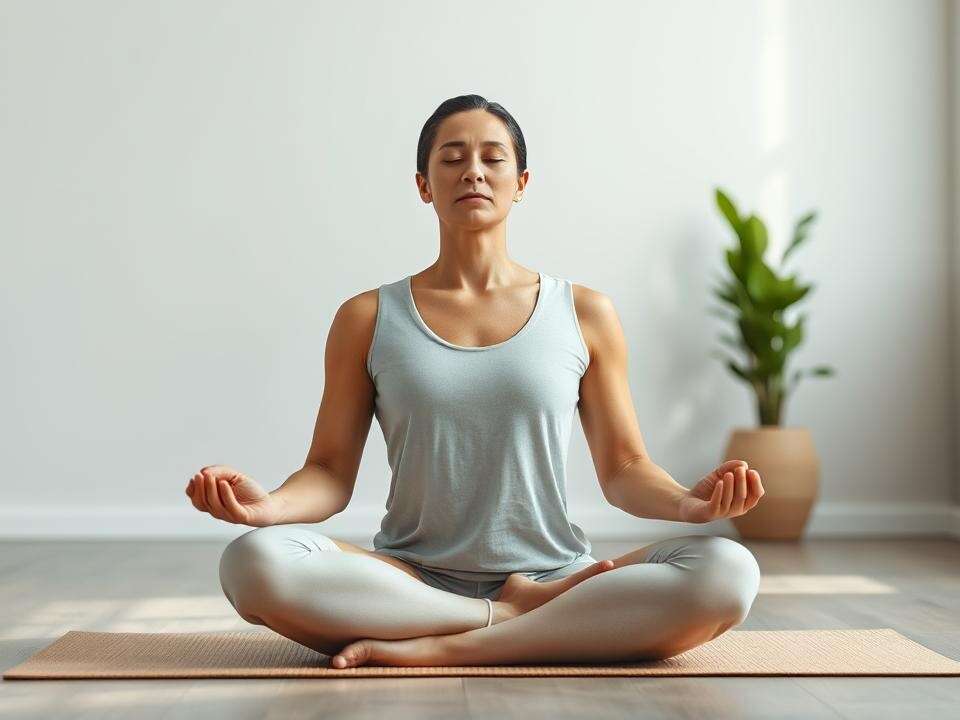
I find deep peace and introspection in this tranquil moment, my breath a gentle rhythm on the mat.
Pursed-lip breathing after outdoor exposure
After time outside, lungs may feel heavy or tight. Pursed-lip breathing helps clear trapped air from the lungs. Inhale through the nose for two seconds. Purse the lips as if blowing out a candle. Exhale gently for four seconds. This technique slows breathing and prevents airways from collapsing, which is helpful during smoggy conditions.
Humming breath to soothe airways
Humming during exhalation creates gentle vibrations in the throat and chest. Sit upright and inhale through the nose. Exhale slowly while humming softly. Keep the sound steady and relaxed. This exercise may support nitric oxide release in nasal passages, which helps blood flow and airway comfort. It also brings a calming effect that many people appreciate during stressful pollution alerts.
Evening lung-release breathing
Polluted air exposure often builds up through the day. This exercise helps the lungs wind down before sleep. Lie on the back with knees slightly bent. Inhale through the nose for four seconds. Exhale through the mouth for six seconds while relaxing the shoulders and jaw. Continue for five to seven minutes. Many find sleep feels deeper when breathing slows before bedtime.Disclaimer: This article is for general information only. Breathing exercises do not replace medical treatment or protect fully against air pollution. People with asthma, COPD, or other lung conditions should consult a healthcare professional before starting new breathing practices.

