

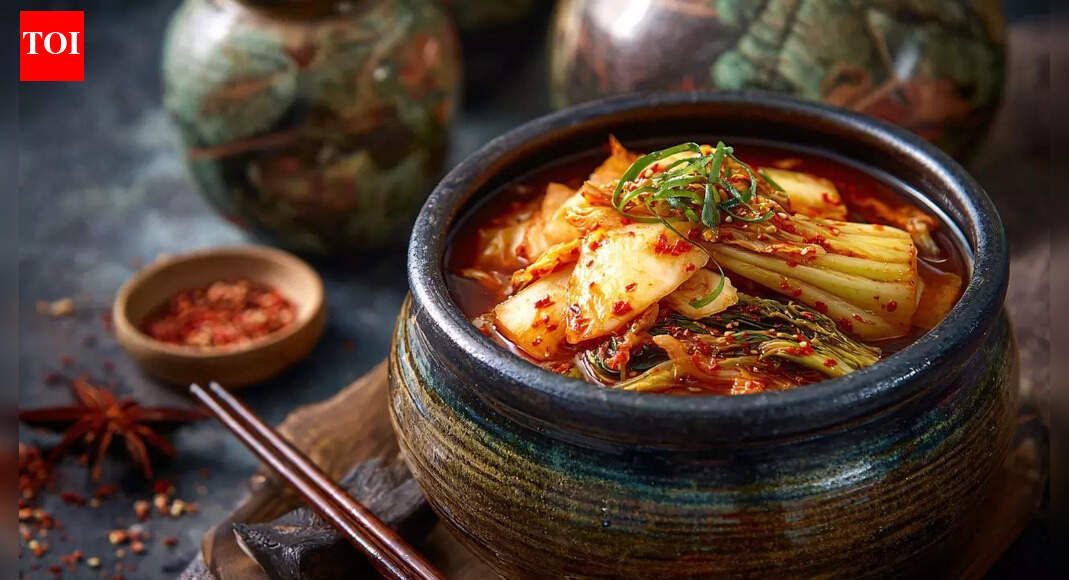
Fermented food products have steadily transitioned from kitchens to scientific discourse, thanks largely to their tie to the immune system and gastrointestinal functions. Kimchi is no longer a Korean food but is instead recognised as one of the most studied fermented food products to this day and is regarded as an exemplary fermentation case because of its unique role as a vegetable fermentate that changes its nutritional composition through the actions of microorganisms and not by fortifying or processing. This unique role of kimchi is relevant and timely because of its emphasis on immunity and its increasing knowledge of immunity as a function of dietary and digestion-related factors.
What’s inside kimchi that supports immune health
The nutritional content of kimchi is influenced by its plant-based ingredients and biochemical processes, which occur in the fermentation process. A protocol for a systematic review, which was published in the Medicine journal, reviewed controlled clinical trials regarding kimchi consumption and considered its abundance of fibre, vitamins, minerals, and lactic acid bacteria, in addition to its role in gut flora, lipid metabolism, and markers of oxidative stress. Such factors are of utmost importance within the arena of immune system function, as they work in a holistic manner through digestion, metabolism, and cellular protection.
From nutritional considerations, kimchi has a range of nutrients that synergistically act inside the body. The vegetables used contain key nutrients, while fermentation causes these nutrients to be altered to enable their easy assimilation. Garlic, ginger, and chilli used in fermenting vegetables provide phytochemicals that complement vegetables to produce a food that is rich in nutrients but low in calories.Important elements of kimchi’s nutritional constituents are:
- Fibres in
cabbage and vegetables helping in digestion and promoting healthy intestinal flora - During fermentation, lactic acid bacteria occur naturally. This was due to microbial diversity
- Vitamin C and Carotenoids – protective against cellular damage caused by oxidation
- Minerals like iron and calcium are vital in oxygen transport and cell signalling.
- Bioactive compounds derived from garlic, ginger, and chilli have antioxidant and antimicrobial properties
What happens to your immune system when you eat kimchi
A regulated internal environment, where the levels of inflammation are controlled as well as the levels of essential nutrients are constantly accessible, is what the immune system requires. Since kimchi has properties related to the regulation of gut health, metabolism, and its antioxidant properties, its consumption has been investigated for its ability to lead to the regulation of lipid levels, as well as inflammatory markers.The gut is an immunological hub because the majority of the immune cells are concentrated along the lining of the gut. The foods that help the gut maintain healthy gut flora can hence have an immunological influence in relation to fighting external attacks. The presence of live bacteria and fibre in kimchi enables an environment that promotes immune stimulation rather than triggering intense immunological reactions.Kimchi is linked to immune-related effects in the following ways:
- Promoting diversity of gut microbiota and its interaction with immune cells in the intestine
- Antioxidants that protect the immune system cells from oxidative injury
- Aiding in the regulation of iron levels in the body, which is required for haemoglobin production and the proper functioning of the immune systems
- Metabolic factors: supporting metabolic health; anti-inflammatory effects related to immune system stress
- Offers natural fermented agents which may prevent harmful microbial development
Why fermentation is the key to kimchi’s health benefits
Fermentation plays a central role in making kimchi a health-related food because it turns raw materials into a biologically active substance through fermentation. Lactic acid bacteria react with sugars found in vegetables during fermentation to produce an increase in organic acid, which decreases kimchi’s pH, thus preventing it from spoiling while allowing healthy bacterial growth.These microbial activities also affect interactions between the body and food. Fermentation can decrease interfering compounds, and it can produce compounds beneficial for gut barrier function. Instead of supplementing the diet, fermentation modulates pre-existing compounds, which alter interactions between compounds and the immune system within the digestive system.The significance of fermentation in kimchi is established by several processes:
- Increasing nutrient bioavailability through the digestion of complicated plant material
- Production of organic acids that help intestinal barrier function
- Supporting microbial diversity related to resilient immune system function
- Producing fermentation by-products for the regulation of inflammation
- Providing live bacteria together with their required substrates for survival in the gastrointestinal tract
How to make kimchi at home using simple ingredients
Preparing kimchi at home retains this fermentation process and enables one to control both salt content and ingredient quality. The process involves simple methods that promote natural fermentation instead of using fermentation starters. Simple hygiene and time enable one to acquire flavour and nutritional content through fermentation.Ingredients:
- Napa cabbage, sliced into large pieces
- Salt, preferably iodine-free, for removal of moisture
- Finely minced cloves, garlic
- Fresh ginger, grated
- Red
Chilli powder for fermentation - Water used for rinsing and brining
- Optional fermented seafood or plant option for added flavour
Steps:
- Season the cabbage with salt and let it sit until it sweats
- Rinse the cabbage to remove excess salt, and then drain well
- Mix garlic, ginger, chilli powder, along with a little water, to make a paste
- Mix the paste well with the cabbage
- Pack mixture densely into a clean jar to eliminate trapped air
- Put it in a cool place for several days to ferment
- Refrigerate after the desired flavour has been achieved to slow down fermentation
This way prepared, kimchi is rich in fibre and nutrients and, as such, is a convenient fermented food that is readily assimilated into the diet while retaining the nutrients and characteristics that the traditional fermented food had.Also Read | Tiny bugs in your rice? How rice weevils start and how to stop them

