


Narcolepsy can be described as a neurological condition that has chronic consequences on the regulation of the sleep-wake cycle by the brain. Narcolepsy has been known to occur in one out of every two thousand people, according to Dr. Jay Jagannath, usually occurring when one is between the ages of 10-and 30 years. Despite the low prevalence, the consequences of this condition can be quite significant. Let’s read on to know more-
Classification of Narcolepsy: With and Without Cataplexy

There are two forms of narcolepsy. In type 1, cataplexy is another symptom that involves sudden muscle weakness or paralysis. This symptom can occur suddenly and is usually when a person experiences emotional responses, such as laughing, being surprised, or experiencing anger. During an attack, an individual can slur words, flop down, and have no control over some of his muscles, but remains conscious.Type 2 narcolepsy is the type where the problem occurs without experiencing cataplexy. This is because individuals can suffer from the same level of daytime sleepiness without experiencing episodes of muscle weakness. Since the problem may seem less severe-the diagnosis can sometimes be delayed.
Key symptoms
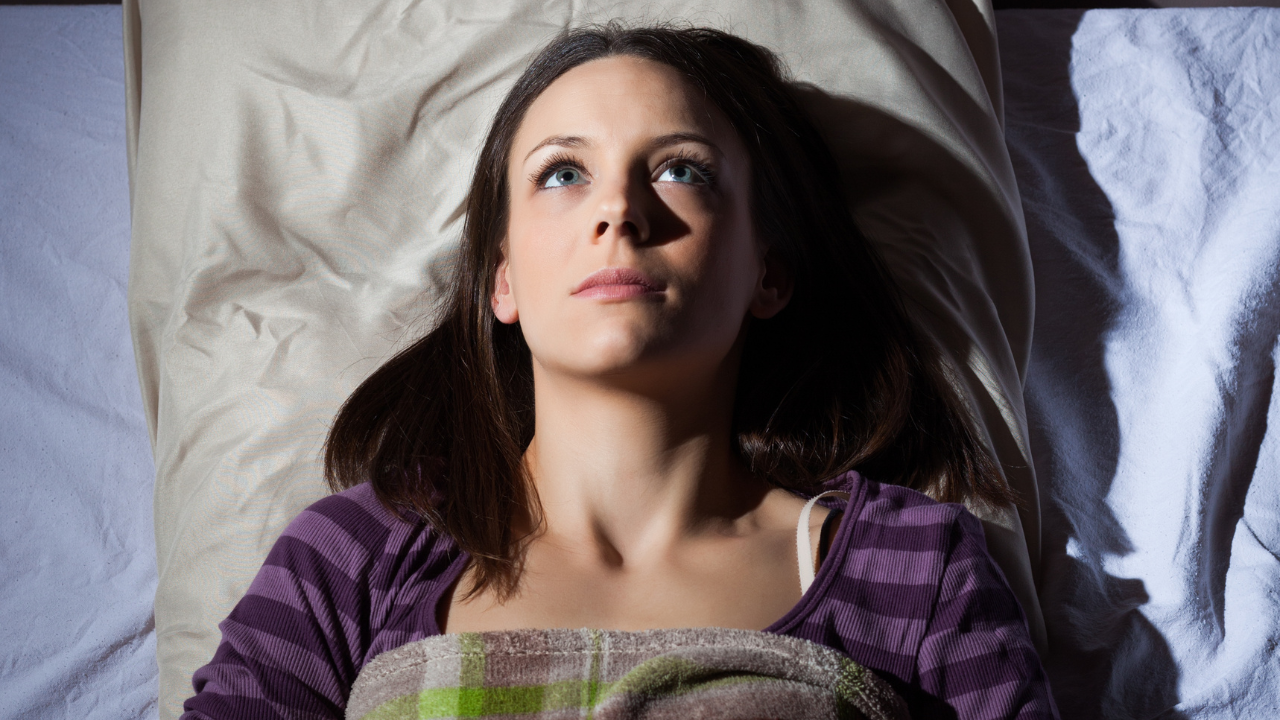
Daytime sleepiness is the common symptom that is most easily recognizable when one is dealing with narcolepsy. People suffering from narcolepsy usually complain that they feel sleep-deprived even when they have had ample sleep. In fact-they even fall asleep while they are talking to others or even while eating.
Other symptoms may include:

Sleep paralysis, which prevents the body from moving or speaking while falling asleep or waking up.Hallucinations, which can occur when falling asleep or waking up, may be vivid and dreamlike.Poor nighttime sleep patterns-causing difficulty sleeping at night though one experiences excessive daytime sleepiness.Automatic behaviors, which refer to actions that people perform, like typing or writing, that they do not remain fully conscious of and may not even recall doing.According to Dr. Jagannath, symptoms can vary considerably in intensity. Sometimes a person may have occasional attacks that are mild, while others may have difficulty functioning with sleep attacks and episodes of cataplexy on a fairly regular basis that affect their work or education and interpersonal relations.
What causes Narcolepsy?
The actual cause of Narcolepsy is not known, but some of the factors that contribute to it have been discovered through scientific studies. According to Dr. Jagannath, Type 1 Narcolepsy has a strong connection with the lack of production of the brain chemical hypocretin, also known as Orexin.In many cases, the immune system of the human body attacks the cells that produce hypocretin, destroying them. This hampers the brain’s function of inducing alertness. In some cases, genes can be the reason because some genes increase the chances of this disorder.For the Type 2 form of narcolepsy, the levels of the hypocretin hormone usually still come out as normal, and scientists continue to try to find the underlying cause. The possible causes may include environmental factors such as an infection, stress-and hormones.
Diagnosis of narcolepsy
Due to overlap of symptoms among different disorders of sleep, diagnosis of the condition may involve comprehensive assessment of a patient’s sleep. This can include initial assessment of a person’s medical history and/or initial assessment of a person’s medical history.A polysomnograph or overnight sleep test is used to determine irregularities in the stages of sleep. This test is usually followed by another test known as multiple sleep latency test aka (MSLT). This test assesses the rate at which an individual falls asleep in an undisturbed room during the daytime. These procedures enable experts to identify narcolepsy and other conditions like sleep apnea, insomnia, or depression.
Narcolepsy management: Treatment and life style
At present, there is no cure for this condition, but it can be effectively managed, and this can considerably reduce the symptoms and subsequent effects of the disorder. According to an expert—this condition can be handled through certain measures.These medications may contain stimulants that trigger alertness and anti-depression medications that treat cataplexy, sleep paralysis—and hallucinations. Now, there are newer medications that target the brain’s chemicals to regulate sleep and fight excessive daytime sleepiness. In addition to medication, lifestyle changes are also important. Rigid bedtime routines, organized power napping in the daytime, exercise, and healthy eating can go a long way in regulating daily rhythms of sleep and alertness. Reducing coffee and alcohol consumption, along with maintaining a quiet, dark sleep environment, can also help in enhancing nighttime sleep quality.
Living with Narcolepsy
Though narcolepsy can sometimes become quite daunting, many people learn to control it effectively when managed properly. Public awareness regarding this condition helps a great deal since many people become understanding of this condition and make adjustments that can accommodate flexible schedules. Dr. Jagannath asks that those who think that they might have narcolepsy consult a professional for an evaluation, as one should not just diagnose themselves as having narcolepsy. While a cure for narcolepsy may not exist, with proper care, education— and adjustment, individuals living with this condition can lead a complete and vibrant life.

