

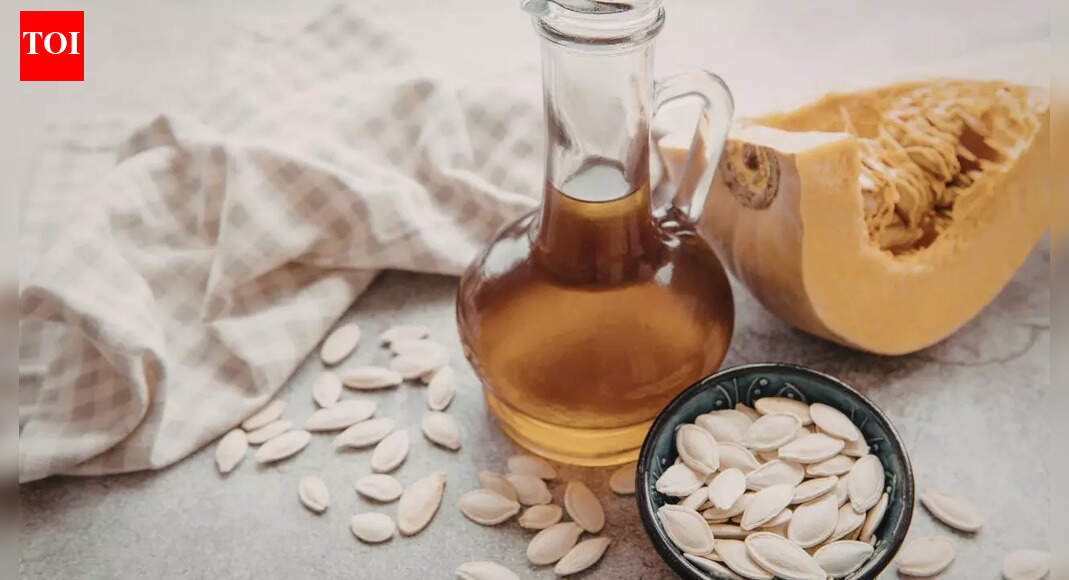
Seed oils have recently been the focus of online attacks, purportedly causing consumers inflammation, illness, or even being toxic. This has put many consumers on edge, wondering if popular foods like sunflower oil, rapeseed oil, or soya bean oil are even acceptable within a healthy diet. However, the truth is, most claims being made are being fueled by misinformation rather than facts. Seed oils have been on the market for decades and have been endorsed by health organisations as being a healthier choice than those that are rich in saturated fats. They can, in fact, aid in the promotion of good heart health, not bad, if they are carefully considered. Recognising just what seed oils are, just how they are processed, and what the facts are concerning them allows one to filter through the misinformation that has unnecessarily complicated the topic.
Understanding seed oils and their health benefits
Seed oils are oils derived from the seeds of plants like rapeseed, sunflower seeds, soya beans, and corn. These oils are vegetable oils despite the fact that they are not all obtained from seeds. Some examples of vegetable oils obtained from the flesh of fruits are olive oils and avocado oils. In the UK, rapeseed oil, commonly known as vegetable oil and sunflower oils are the most commonly used seed oils in domestic preparations.
Seed oils are quite fatty, so it’s necessary to use them in moderation. But it should also be noted that fat is a vital nutrient, and seed oils have plenty of unsaturated fat. Health recommendations in the UK state that saturated fat, which comes from substances such as butter, ghee, and coconut oil, should be replaced by oils that are higher in unsaturated fat. These recommendations are soundly grounded in evidence that has shown that a lot of saturated fat can cause an elevated level of cholesterol, which can bring about a heart attack and stroke. Seed oils can help promote healthy levels of cholesterol if used as an alternative to solid fat.
Why omega-6 fats in seed oils are often misunderstood
The consumption of seed oils has been prominent in the 20th century, and their presence in modern cuisines has become common. The current trend on social media has indicated that seed oils stimulate inflammation-related chronic diseases due to their lower saturated fatty acids. The major criticism has been directed towards omega-6 fatty acids and the presence of linoleic acids in seed oils. Although inflammation has been recognised as the reason behind the progression of heart disease, there has been no genuine indication that omega-6 fatty acids from seed oils induce inflammation in human beings.Both omega-6 and omega-3 fatty acids are essential. This means that the human body cannot make them by itself. Omega-3 fatty acids have long been prized for their anti-inflammatory properties. They are found in oily fish, walnuts, and other seed oils like rapeseed and soya bean oil. The use of omega-6 fatty acids, particularly linoleic acid, was considered to stimulate the inflammation process because these fatty acids can stimulate the prostaglandins that are associated with the inflammation process. Huge human studies have failed to support the proposed theory that linoleic acid stimulates the inflammation process. It has actually been shown that the more linoleic acid there is in the blood, the lower the levels of some of the associated inflammation indicators.
Do seed oils really cause obesity and heart disease? What the evidence shows
Arguments that can be attributed to the increase of cases of people being obesed and people being affected by heart disease while simultaneously greater consumptions of seed oil are being seen. This is because of the fact that there is no real relation between the two things being mentioned. A lot of things are being changed within the body simultaneously. Huge studies conducted stated that individuals who had higher values of linoleic acid were found to be surviving from cardiovascular disease-related death compared to individuals who had low values of the same according to British Heart Foundation.Hexane may also be used in the processing of extracting oils from seeds as an extraction solvent in some industrial extraction processes. Hexane may be toxic in large quantities. However, trace amounts of hexane are extracted. Any residual amounts of hexane are strictly governed by the food standards agency in the UK. There are seed oils extracted by the use of mechanical processes only for those who opt not to use any solvent at all.Issues have also arise regarding the toxicity of seed oils at high temperatures. Although it is correct to state that high temperatures will damage any kind of oil, it is not likely in home-cooked meals. Studies indicate that raising the temperatures to those in home-cooked meals does not increase toxic contents in any kind of oil. Reusing oils in food is therefore not recommended, but staying within safe temperatures is appropriate.
Seed oils, ultra-processed foods, and what really affects health
Often, seed oils are used as ingredients in ultra-processed foods, which tend to have worse health associations. Nevertheless, it should be pointed out that health issues stemming from these kinds of foods include a large amount of salt, sugar, and saturated fat content as opposed to seed oils. It is not home-cooked or balanced dishes that include seed oils that pose a problem.

