

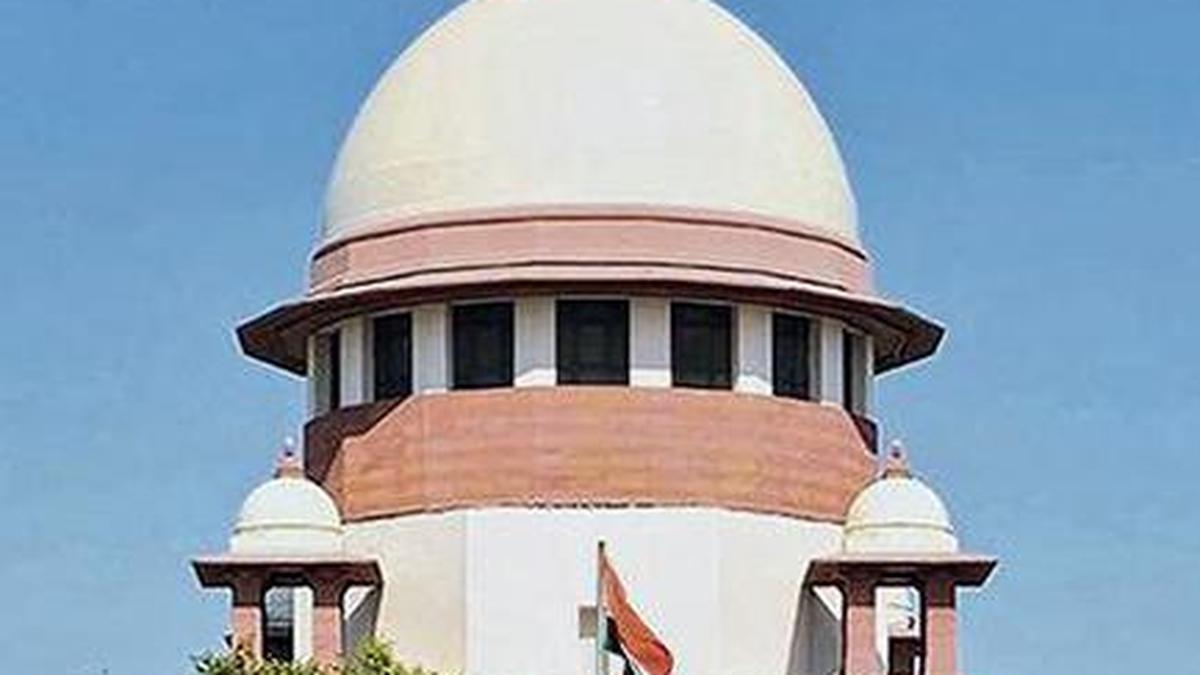
The Apex Court noted that Constitutional courts uphold the virtue of simplicity in governance as a necessary ingredient to strengthen the rule of law.
| Photo Credit: The Hindu
The Supreme Court, in a judgment on Friday (December 5, 2025), advised governments to embrace simplicity in administration, saying excessive rules and laws, which add to the burdens of ordinary citizens and “disturb the peace of mind”, will attract judicial review and censure.
“Simplicity in public transactions is good governance… Administrative procedures should avoid complexity, redundant requirements, and unnecessary burdens, which waste time, expense, and disturb peace of mind,” Justice P.S. Narasimha, who authored the judgment, observed.
The Bench, also comprising Justice Atul S. Chandurkar, cautioned that constitutional courts were not only empowered to set aside illegal Executive decisions, but also those founded on irrelevant considerations, which make unnecessary and excessive demands affecting citizens and disrupting ease of transactions.
“Irrelevant consideration includes insistence or performance of acts or submission of documents, which neither have relevance nor are value additions to the purpose or object of law or policy in place. They are demonstrably superfluous and unnecessary, consuming limited time and human resource,” Justice Narasimha wrote.
The Apex Court noted that Constitutional courts uphold the virtue of simplicity in governance as a necessary ingredient to strengthen the rule of law and ensure access to justice.
“In administrative law, simplicity means laws, regulations, and procedures should be clear, straightforward, and easy to understand, allowing for effortless compliance. Administrative procedures should avoid complexity, redundant requirements, and unnecessary burdens, which waste time, expense, and disturb peace of mind,” Justice Narasimha advised.
The judgment struck down a 2009 directive of the Jharkhand government that imposed “superfluous, unnecessary” hurdles on cooperative societies seeking stamp-duty exemptions.
Published – December 05, 2025 10:08 pm IST

